
Nutrition Experts Debate the 'Protein Palooza' and the Real Sweet Spot for Health
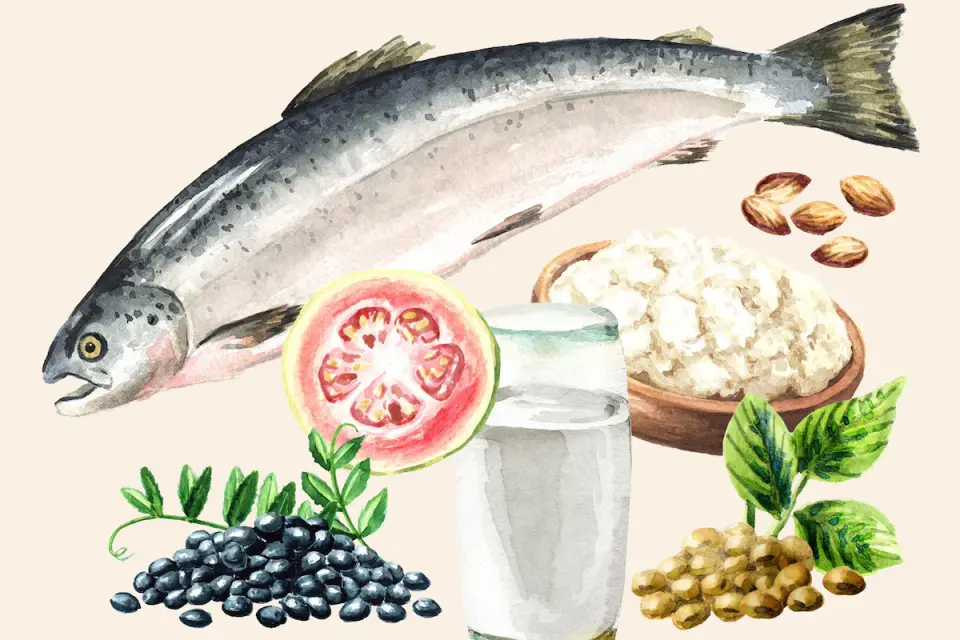
While protein has become a cultural obsession, experts warn that the trend often leads to misunderstanding and overconsumption. Recent coverage from The Washington Post, Business Insider, and HuffPost highlights a consensus that more is not always better. The 'sweet spot' for most adults is approximately 0.6 to 0.8 grams per pound of body weight, not the extreme amounts often marketed by influencers. Experts emphasize that protein quality matters as much as quantity, and that it must be balanced with other nutrients and resistance training to achieve health goals. The debate centers on whether the current hype is beneficial or if it is causing people to neglect other essential dietary components.
Key points
- The Washington Post notes that protein is currently 'more talked about, or more misunderstood' than ever, with companies marketing protein in unexpected items like coffee and soda.
- Business Insider reports that nutrition experts at a major conference argued that the 'sweet spot' for protein intake is 1.2 to 1.6 grams per kilogram of body weight, which translates to 84-114 grams per day for a 140-pound person.
- Experts warn that excessive protein can lead to dehydration, digestive issues, and kidney strain, while insufficient protein results in muscle loss and slower recovery.
- HuffPost highlights that different protein sources serve different health goals: beans and lentils help regulate blood sugar, while mackerel and tempeh fight inflammation.
- Business Insider emphasizes that protein alone does not build muscle; resistance training is required, and focusing solely on protein can cause people to neglect other vital nutrients like fiber and carbohydrates.
Background
This story follows a broader trend in 2026 where dietary advice has become increasingly fragmented and commercialized. Earlier coverage in July 2026 highlighted how common mistakes in personal planning, such as in estate law, can lead to significant negative outcomes; similarly, the current protein debate suggests that well-intentioned but poorly informed dietary choices can lead to health issues. The current discourse is part of a larger cultural shift where 'protein-maxxing' has become a dominant wellness trend, often overshadowing balanced nutrition.
How outlets are covering it
The Washington Post frames the issue as a public education problem, using a quiz to test reader knowledge and highlighting the confusion caused by marketing. Business Insider takes a more scientific stance, citing specific experts like David Church and Leslie Bonci to argue that the current trend has 'gone too far' and that the 'protein palooza' is not in the best interest of consumers. HuffPost focuses on practical application, suggesting that the 'best' protein depends on individual health goals, such as diabetes management or reproductive health, rather than a single universal standard. While all sources agree that protein is essential, they differ on the emphasis: The Post focuses on correcting misconceptions, Business Insider on the dangers of overconsumption, and HuffPost on personalized dietary choices.
Why it matters
The widespread misunderstanding of protein requirements can lead to unnecessary health risks, including kidney strain and digestive problems, as well as financial waste on expensive supplements and processed foods. By clarifying the actual 'sweet spot' for protein intake and emphasizing the importance of whole foods and exercise, this coverage helps consumers make more informed decisions that support long-term health rather than just short-term trends.
What to watch
Expect continued debate among nutrition experts regarding the optimal amount of protein for different populations, particularly the elderly and those on weight-loss medications. The food industry will likely continue to innovate with protein-enriched products, but regulatory and health bodies may issue clearer guidelines to curb misleading marketing. Consumers should focus on balanced diets that include a variety of protein sources and prioritize resistance training alongside dietary changes.
- Are you making these common protein mistakes? Take our quiz. The Washington Post
- How much protein do you need? Nutrition experts say there's a sweet spot businessinsider.com
- County Durham fitness expert dispels popular protein myths and shares simple meal tip Yahoo News UK
- The Best Type Of Protein To Eat, Depending On Your Health Goals HuffPost
- Simple Ways to Sneak More Protein Into Every Meal, According to Nutritionists aol.com
Want the full story? Read the original reporting
Read on The Washington Post