
Young Adults Leverage Tax-Advantaged Accounts for High-End Sleep Tech
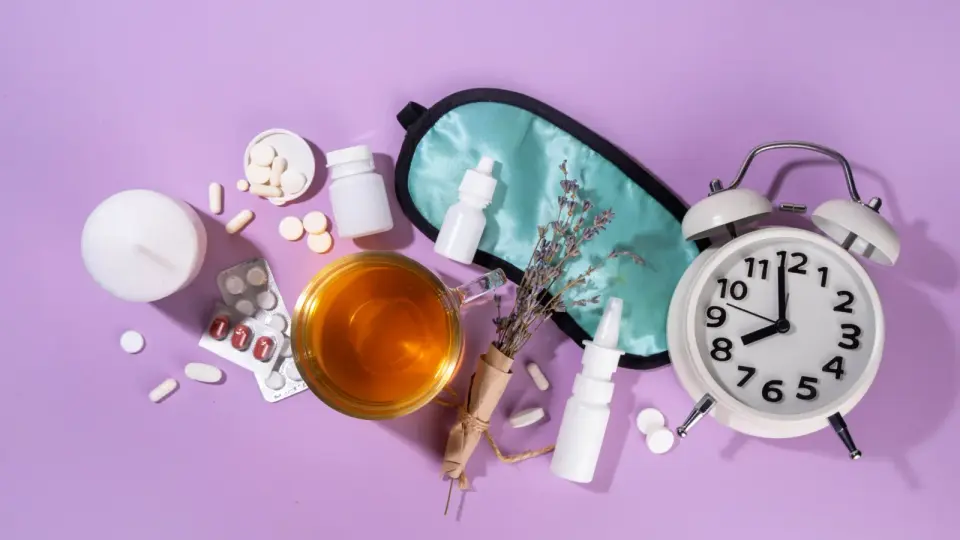
Gen Z and Millennials are increasingly using health savings accounts (HSAs) to purchase premium sleep aids, such as cooling mattress toppers, to combat fatigue. While this trend, known as 'SleepMaxxing,' reflects a desire for optimized rest, experts warn that social media trends often lack scientific backing and that sleep issues are frequently rooted in broader stressors like housing costs and job pressure.
Key points
- Truemed data from Jan 2025 to May 2026 shows Gen Z spends more on sleep products than any other category except supplements via HSAs and FSAs.
- A 29-year-old in Texas purchased a $2,400 cooling mattress topper using HSA funds to improve sleep after the birth of his child.
- Approximately 55% of Gen Z and Millennials hold HSAs, utilizing them for wellness items that may require a letter of medical necessity for eligibility.
- Sleep medicine experts caution against unproven trends like mouth taping, emphasizing that sleep quality is often impacted by external stressors rather than just equipment.
- 45% of adults report that family responsibilities significantly impact their ability to sleep well, with job stress and housing costs also cited as major factors.
Background
This trend emerges against a backdrop of rising cost-of-living pressures, where many young adults are living with parents to save for housing. As financial stability remains a challenge, the use of tax-advantaged accounts for wellness optimization represents a strategic approach to managing health amidst economic constraints.
Why it matters
The shift toward using tax-advantaged funds for sleep optimization highlights a growing intersection of financial strategy and health management among younger generations. It underscores a cultural move toward proactive wellness, but also raises questions about the efficacy of expensive, trend-driven solutions versus addressing root causes of sleep deprivation.
What to watch
Consumers are advised to verify HSA eligibility with the IRS or obtain a letter of medical necessity for non-standard items. Experts recommend focusing on established sleep hygiene practices and consulting accredited sleep centers rather than relying solely on social media trends or unproven gadgets.
Want the full story? Read the original reporting
Read on USA Today