
The Double-Edged Sword of Women's Strength Training Boom
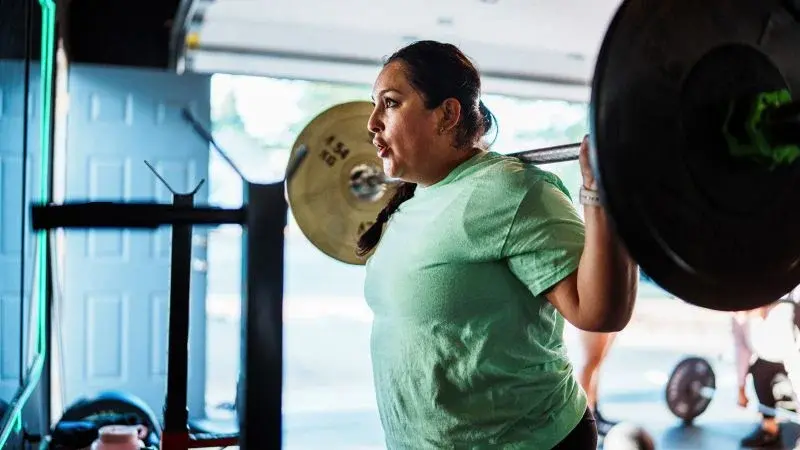
A surge in women adopting strength training is driven by midlife health concerns, particularly bone density loss. While experts praise the shift away from cardio-only routines, critics warn that new 'strong' ideals often still prioritize thinness, potentially replacing one body standard with another. Sustainable habits and adequate rest are emphasized to prevent injury and disordered eating.
Key points
- Midlife women are increasingly lifting weights to protect bone density and counter age-related decline, moving away from decades of cardio-focused advice.
- Experts warn that the 'strong is the new skinny' narrative can still promote unrealistic body standards, particularly for women in larger bodies who are underrepresented in media.
- Building muscle requires adequate caloric intake and rest; obsessive training without recovery can lead to injury and disordered eating behaviors.
- The trend is seen as a positive step for women taking up space in gyms, but sustainability and personal health goals should outweigh aesthetic trends.
Background
Recent coverage highlights a broader shift toward strength training across demographics. In August 2026, experts noted that even short, consistent sessions yield significant health gains for older adults. In September, fitness coaches promoted heavy-lift routines for women over 50 to combat muscle loss, while UK data showed Gen Z prioritizing strength training for social and health reasons. These trends underscore a growing recognition that muscle mass is critical for longevity and independence, not just aesthetics.
How outlets are covering it
CNN and Yahoo both highlight the health benefits of strength training for women, particularly in midlife. However, CNN's analysis by Oona Hanson emphasizes the psychological risks, noting that the trend can still enforce a 'lean' aesthetic that excludes larger women. CNN cites fitness journalist Mikala Jamison and dietitian Megan Hellner, who warn that the focus on strength can become another form of diet culture if not balanced with adequate nutrition and rest. Yahoo's coverage, featuring Stacy London, focuses more on the practical benefits and how to get started, aligning with the broader narrative of strength as a health imperative rather than a fad. The primary source stresses the need to separate internal motivation from external trends to avoid disordered behaviors.
Why it matters
As women increasingly prioritize strength training for health, the cultural narrative around fitness is shifting. However, this shift carries risks if it merely replaces thinness ideals with 'athletic' ones. Understanding the balance between health benefits and potential pitfalls is crucial for sustainable wellness. The trend also highlights the importance of inclusive representation in fitness media to ensure all women feel empowered to train without fear of judgment.
What to watch
Expect continued growth in women's participation in strength training, with a growing emphasis on personalized approaches that prioritize health over aesthetics. Fitness professionals will likely continue to advocate for adequate rest and nutrition to prevent injury and disordered eating. Media representation may evolve to include more diverse body types, challenging the 'strong but skinny' ideal. Public health campaigns may further promote strength training as a key component of midlife and aging health strategies.
- Counting calories or lifting weights? Women could be trading one narrow body ideal for another CNN
- The 'ageing antidote' stars love & 4 myths stopping you getting best figure ever The Sun
- Nutritionist reveals why women should focus on strength instead of being skinny Yahoo
- Stacy London Reminds Us Why It’s Important to Strength-Train in Midlife — Here’s How to Get Started Yahoo
Want the full story? Read the original reporting
Read on CNN