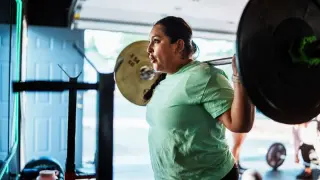
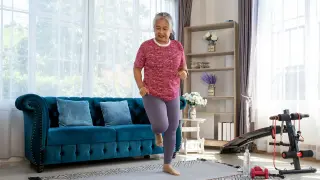
A surge in women adopting strength training is driven by midlife health concerns, particularly bone density loss. While experts praise the shift away from cardio-only routines, critics warn that new 'strong' ideals often still prioritize thinness, potentially replacing one body standard with another. Sustainable habits and adequate rest are emphasized to prevent injury and disordered eating.
Researchers at Johns Hopkins University found that lower bone density in the spine is associated with faster cognitive decline and deterioration of brain white matter. The study suggests that routine chest CT scans, often used for lung cancer screening, could serve as an opportunistic tool to identify individuals at higher risk for accelerated brain aging. While low bone density does not cause cognitive issues, it may act as a marker for shared biological aging processes, such as inflammation and vascular problems, potentially allowing for earlier intervention.
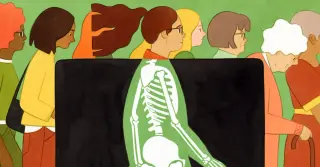
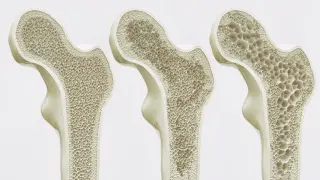
Osteoporosis is a preventable 'silent disease' that often manifests only after a fracture. Experts emphasize that bone health is built early in life and can be maintained through weight-bearing exercise, adequate nutrition (calcium, vitamin D, protein), and early screening. While postmenopausal women face the highest risk due to estrogen loss, men and individuals with specific medical conditions or medications are also vulnerable. Delayed diagnosis and lifestyle factors like smoking and sedentary behavior significantly increase the risk of debilitating fractures, which carry high mortality rates.
Seven in ten American women will experience osteopenia or osteoporosis in their lifetime, yet many delay diagnosis until after a fracture. Dr. Jocelyn Wittstein of Duke University advises women to request DEXA scans around age 50, during the menopause transition, rather than waiting until 65. Early detection is critical because bone density loss accelerates sharply in the two years preceding menopause, potentially resulting in a 10% loss. While no standalone cure exists, proactive measures including strength training, specific micronutrient intake, and potentially hormone therapy can slow progression. Wittstein emphasizes that estrogen inhibits bone breakdown, making its decline a primary driver of bone weakness. Women are encouraged to view bone health as a lifelong priority, starting with early screening and lifestyle adjustments to prevent fractures and maintain mobility.
A large 10-year study of 9,704 postmenopausal women found regular tea intake linked to higher bone density, while drinking more than five cups of coffee daily was associated with lower density; however, the researchers caution the results are observational and of small magnitude. The takeaway: tea can fit into a bone-healthy lifestyle alongside calcium/vitamin D, adequate protein, weight-bearing exercise, and avoiding smoking/alcohol; coffee remains not clearly risky unless consumed in very high amounts, and more research is needed across populations.
The New York Times health piece notes that menopause raises fracture risk, but most guidelines still recommend a first DEXA scan at age 65 unless you have osteoporosis risk factors; some doctors and influencers push for earlier screening. The decision should be personalized based on factors like prior fractures, family history, low BMI, steroid use, smoking, and other health conditions. DEXA is a low‑dose X‑ray that measures bone density and informs prevention or treatment decisions, including lifestyle changes or medications, made in consultation with a clinician.
A Flinders University study published in Nutrients followed 9,704 postmenopausal women aged 65+ for 10 years and found that consuming more than five cups of coffee daily was associated with lower bone mineral density at key sites, while tea consumption correlated with higher total hip BMD; moderate coffee (about 2–3 cups/day) showed no negative effect. The researchers noted interactions with alcohol and obesity and stressed the study shows associations, not causation. They advised maintaining bone health through calcium and vitamin D, physical activity, and avoiding smoking and heavy alcohol, with a note that moderate coffee is acceptable and tea may be a bone-friendly alternative.
A 10-year study of nearly 10,000 women aged 65+ found tea drinkers had slightly higher hip bone density, while consuming more than five cups of coffee daily was linked to lower bone density; moderate coffee (about 2–3 cups) showed no harm. The effects are small, tea catechins may help bone formation, caffeine can affect calcium metabolism, and calcium/vitamin D remain central to bone health, with no need for drastic daily changes.
A health feature argues that bone health hinges on more than calcium from milk: vitamin D, protein and other nutrients support bone structure, especially as menopause accelerates bone loss. It offers practical Indian-food options—ragi, sesame seeds, curd, soy/tofu, leafy greens, small fish with bones, and pulses—to boost calcium and protein intake, emphasizing variety and consulting a clinician if osteoporosis risk exists.
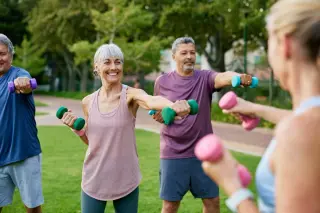
A physical therapist explains that bone adapts to loading and identifies three moderate-impact, equipment-free moves—heel drops, skater jumps, and jogging in place—that, when done as two sets of 10 reps, 3–4 times a week (and increased over time), can strengthen bone density in the hips, spine, and legs and help protect against osteoporosis as part of a progressive routine.
Al Roker tried the Japanese walking interval routine—about a 5-minute easy warm-up, then 3 minutes of hard walking followed by 3 minutes of easy walking for roughly 35 minutes—saying it helped him go farther; experts say interval walking can boost VO2 max and bone density while remaining low-impact, with easy segments offering a moment for mindfulness.
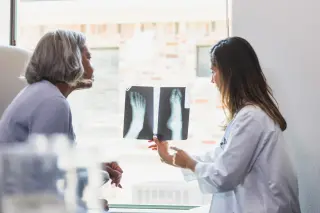
DXA (DEXA) scans use low‑dose X-ray beams to measure bone mineral density (primarily at the hip and spine) and can also assess body composition. They’re safe, quick (about 10–20 minutes), and recommended for women 65+ and men 70+ or anyone with risk factors to gauge osteoporosis risk and guide prevention. Routine scans aren’t usually needed for young people; if low density is found, strategies include weight‑bearing exercise, adequate calcium and vitamin D, avoiding smoking and excessive alcohol, and possibly medications. Pregnancy or recent contrast imaging can affect timing.
Months in space trigger a headward fluid shift that makes astronauts look puffy, while bones lose mineral, muscles shrink (calf ~15%), and the heart becomes smaller with less work to do; the spine lengthens in orbit and briefly grows taller, then returns after landing. Eye changes linked to spaceflight-associated neuro-ocular syndrome raise vision concerns on long missions. NASA’s Twin Study showed most changes reverse on return, but about 7% of gene activity remained altered for months and some cognitive and vascular changes persisted. Exercise and nutrition blunt these effects but don’t fully prevent them, underscoring the need for better countermeasures—possibly artificial gravity—for future multi-year missions to Mars.
At AACE 2026, experts advocate considering low-dose transdermal estrogen therapy for select early postmenopausal women with osteoporosis risk and vasomotor symptoms. Used in the first 5–10 years after menopause, HRT can help preserve bone density and reduce fracture risk when paired with calcium and vitamin D; it’s not suitable for those with clotting risk or a family history of breast cancer. For patients with higher fracture risk (e.g., T-score ≤ −2.5), start or pair with bisphosphonates or denosumab. Reassess risk every two years and discontinue HRT when risk-benefit favors stopping, continuing only if needed as maintenance or transitioning to other therapies as appropriate.
A Washington Post Well+Being article highlights how a simple fall can lead to a life-changing fracture, urging readers to get a bone-density check if at risk and adopt bone-healthy habits—weight-bearing exercise, adequate calcium and vitamin D, avoiding smoking and excess alcohol, and reducing home fall risks—to lower fracture risk as you age.