
American Cancer Society shifts to direct PSA screening mandates for men
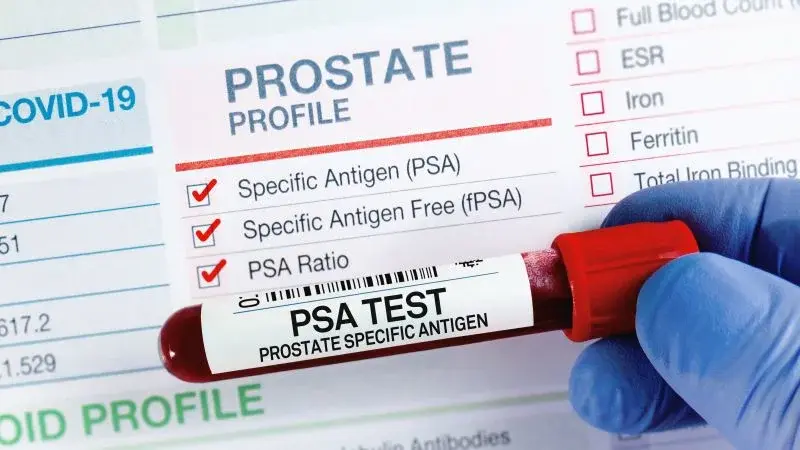
The American Cancer Society has updated its prostate cancer guidelines for the first time since 2010, replacing 'shared decision-making' with a direct recommendation for regular PSA blood tests. Men at average risk should be screened every two years from age 50 to 69, while high-risk groups, including Black men and those with family histories, should undergo annual testing starting at age 45. This change aims to reduce late-stage diagnoses and mortality, driven by new evidence that screening saves lives, though concerns about false positives and overdiagnosis remain.
Key points
- The American Cancer Society now recommends PSA-based screening every two years for men aged 50-69 at average risk.
- High-risk men, including Black men and those with specific family histories, should be screened annually starting at age 45.
- The update removes the previous 'shared decision-making' language, which experts say led to insufficient screening uptake.
- New guidelines emphasize that early detection allows for active surveillance or treatment, reducing the risk of metastatic disease.
- Coverage remains a barrier; while Medicare covers the initial test, follow-up diagnostics like MRIs often incur out-of-pocket costs for private insurance holders.
Background
Prostate cancer screening guidelines have fluctuated for over a decade. In 2012, the US Preventive Services Task Force recommended against routine PSA testing due to concerns about overdiagnosis and overtreatment, leading to a drop in screening rates and a subsequent rise in late-stage diagnoses. The current American Cancer Society update follows a 2018 shift toward 'shared decision-making' and aligns with recent European studies showing that biennial screening reduces prostate cancer mortality. This development occurs amid rising rates of advanced prostate cancer diagnoses in the US, which have increased by approximately 3% annually since 2014.
How outlets are covering it
CNN and NBC News highlight the shift from 'shared decision-making' to a direct recommendation, noting that the previous approach left many men untested. Dr. William Dahut of the American Cancer Society argues that the new guidelines address the rising rate of metastatic cancer. WTOP News emphasizes the disparity in outcomes, noting that Washington, D.C., has the highest per capita prostate cancer death rate in the US, with Black men facing significantly higher incidence rates than white men. While all sources agree on the new schedule, NBC News and CNN note that the US Preventive Services Task Force has not yet updated its federal recommendations, which still favor individualized decision-making for men aged 55-69. Critics, such as Dr. Daniel George, acknowledge the benefits of early detection but warn that PSA tests have high false-positive rates, potentially leading to unnecessary anxiety and treatment for low-risk cancers.
Why it matters
The updated guidelines could significantly impact early detection rates and reduce the number of men diagnosed with late-stage, incurable prostate cancer. By providing a clear mandate, the American Cancer Society aims to overcome the hesitation that characterized the previous 'shared decision-making' era. However, the effectiveness of these guidelines depends on insurance coverage for follow-up tests, as many private plans do not cover the costs of MRIs or biopsies triggered by abnormal PSA results. Additionally, the guidelines highlight persistent racial disparities, urging increased screening for Black men who face higher risks of diagnosis and mortality.
What to watch
The American Cancer Society expects these guidelines to influence private insurance coverage and state legislation, such as the PSA Screening for HIM Act, which seeks to mandate coverage for high-risk individuals. The US Preventive Services Task Force is currently updating its own recommendations, which could further impact federal coverage standards. Experts anticipate that clearer guidelines will simplify the screening process for primary care doctors and encourage more men to establish baseline PSA levels in their 40s and 50s.
- A ‘clear recommendation’ for men: Get screened for prostate cancer CNN
- What new prostate cancer recommendations say about who should get blood tests The Washington Post
- New prostate cancer screening guidelines include regular testing for most older men NBC News
- American Cancer Society calls for routine prostate cancer screening in guideline change Reuters
- DC leads nation in prostate cancer deaths as guidelines change WTOP News
Want the full story? Read the original reporting
Read on CNN