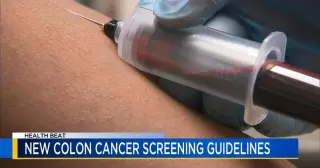
The American Cancer Society has added a blood test to its colorectal cancer screening options and endorses two at-home stool tests, Cologuard and Colosense, for average-risk adults. Colonoscopy remains the most thorough option and should be pursued if non-colonoscopy tests are abnormal, with a colonoscopy recommended within six months. Screening can start at age 45.
The American Cancer Society has added blood-based screening to its colorectal cancer guideline for adults 45+ at average risk who decline or have not completed visual exams or stool tests, endorsing Guardant Health's Shield blood test alongside at-home stool tests such as Cologuard Plus and ColoSense; however, blood-based tests are less sensitive for precancerous polyps and are considered a secondary option when other tests aren't completed, with colonoscopy remaining the gold standard.
The American Cancer Society updated colorectal cancer screening guidelines to include a blood test, aiming to provide more options and increase screening rates among adults 45 and older, noting that about a third of eligible adults are not up to date and that early detection improves outcomes.
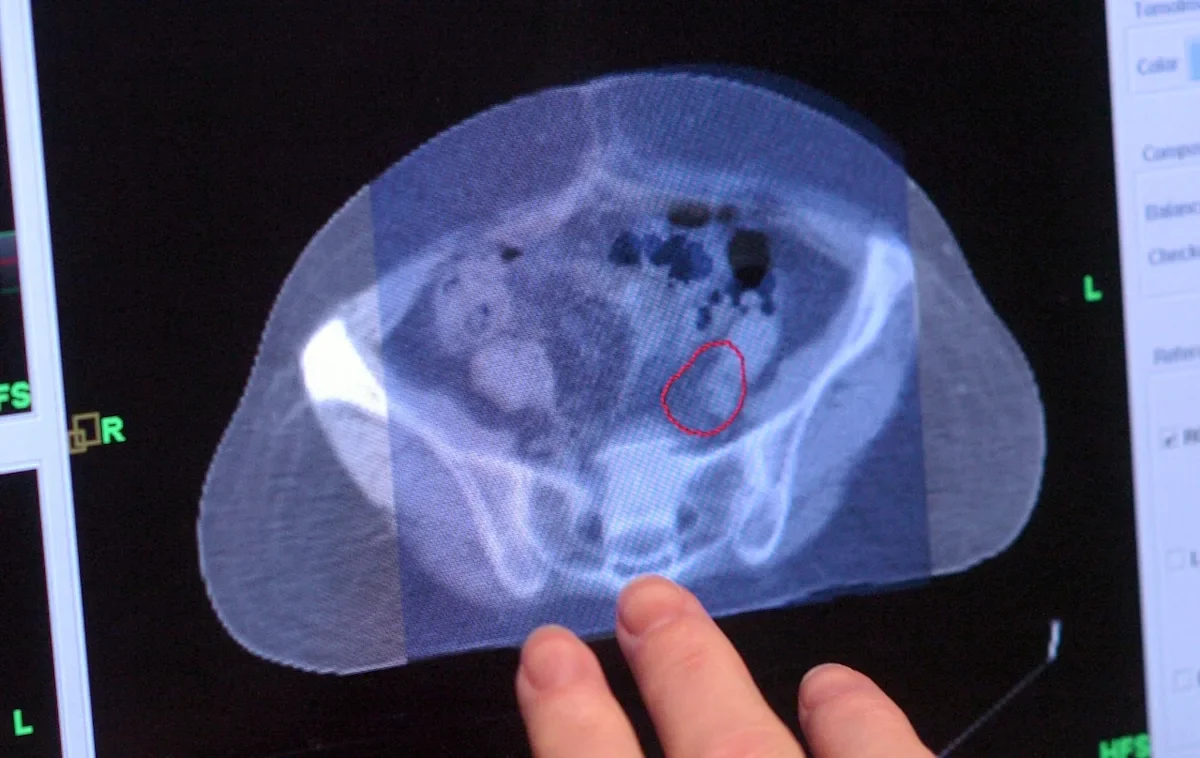
New data, to be presented at Digestive Disease Week, show rectal cancer deaths are rising rapidly among 20–44-year-olds, with rectal cancer mortality increasing up to three times faster than colon cancer and potentially surpassing colon cancer deaths by 2035; many cases occur with few risk factors, underscoring mystery about causes and the need for early symptom awareness. Current screening generally begins at 45 for average risk, making early detection crucial; the American Cancer Society projects about 158,850 new colorectal cancers and 55,230 deaths in 2026, with a growing share of cases in younger adults, including larger increases among Hispanic populations.
Regular moderate physical activity can significantly lower cancer risk by reducing estrogen levels, insulin, and inflammation while helping to maintain a healthy body weight; it also benefits those already diagnosed, with guidelines from the American Cancer Society recommending 150–300 minutes of moderate exercise per week and even short bouts providing meaningful benefits.
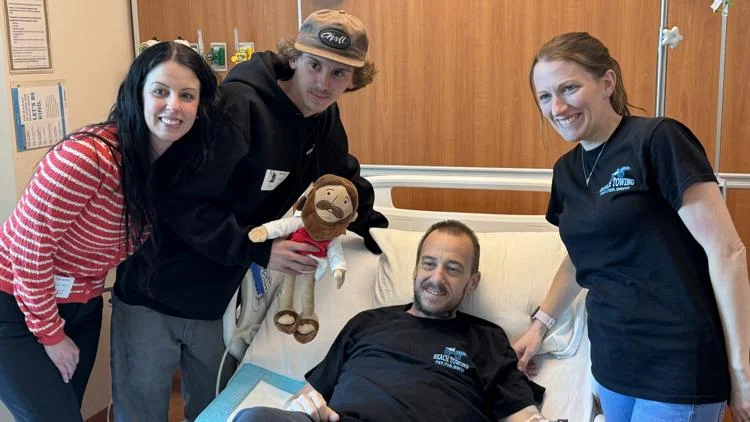
A 42-year-old Virginia Beach father, Ronnie Dixon Jr., was diagnosed with stage 4 colon cancer after initially fearing a hemorrhoid, and is undergoing aggressive treatment. His case, with no family history of colorectal cancer, highlights a rising trend of younger adults being diagnosed at advanced stages. Health experts now recommend starting screening at 45, and Dixon hopes his story prompts others to seek earlier testing. His family has raised almost $20,000 via a GoFundMe to cover medical costs.
An American Cancer Society report shows colorectal cancer rates are rising fastest among adults 20–49, with those 65 and under now accounting for about 45% of new cases and rectal cancer representing roughly one‑third of all colorectal cancers. Many in this group are diagnosed at advanced stages—75% of cancers in people 50 and under are late-stage, and only about 37% of 45–49 year‑olds are screened. Projected this year: about 158,850 new cases and 55,230 deaths. The findings underscore the need for earlier detection, public education on symptoms, and renewed research into causes and risk factors, with screening suggested to start at age 45 for eligible adults.
A new American Cancer Society report finds rectal cancer rates are rising across ages and are driving an uptick in colorectal cancer diagnoses among people under 65 in the U.S., with rectal cancers now making up about a third of cases. From 2018–2022, rectal cancer rose about 1% annually in all ages, while younger groups saw faster increases (up to 3% for ages 20–49). The trend is prompting discussion on screening age (USPSTF has lowered it to 45) and faster symptom education/referrals, as many under-50 patients are diagnosed at advanced stages. Emphasized risk factors include smoking, excess weight, physical inactivity, and diet; reducing these could help lower risk.
The US has reached a 70% five-year cancer survival rate for cancers diagnosed 2015–2021, reflecting progress from earlier detection, improved treatments, and lower smoking rates per the American Cancer Society’s Cancer Statistics 2026. Gains are strongest for advanced cancers, but disparities by race, ethnicity, and geography persist. The report notes potential future impacts from pandemic-era screening gaps, though a rebound in testing may help offset projected mortality.
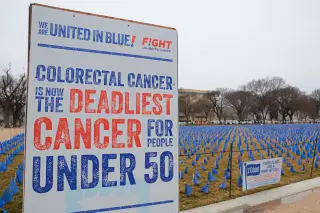
New data show colon cancer is now the leading cause of cancer deaths for Americans under 50, surpassing breast and lung cancers with about 3,750 deaths in 2023. The rapid shift—likely driven by genetics, environment, and early-life exposures—followed the 2021 move to start screening at age 45. Experts urge colonoscopies at 45 and fiber-rich diets as prevention, noting rising rates among young adults (20s–30s) even as other cancers improve.
A Washington Post Well+Being guest column by Kami Rieck explains how the American Cancer Society’s updated guidelines allowing a self-collected HPV test finally let her get cervical cancer screening, despite vaginismus that made traditional clinician exams nearly impossible, illustrating how at-home sampling can expand access to a lifesaving screening for people with screening barriers.
A American Cancer Society analysis shows cancer deaths in people under 50 declined 44% from 1990 to 2023, driven by big drops in cancers like lung cancer, but colorectal cancer deaths rose among younger adults and, in 2023, colorectal cancer was the leading cause of cancer death in that age group. Alabama data mirrors the national trend with a small drop in overall under‑50 cancer mortality from 2018–2022 but a rise in colorectal cancer deaths; researchers emphasize awareness and increased screening to catch colorectal cancer earlier, especially since many cases are diagnosed at advanced stages.
A American Cancer Society analysis published in JAMA finds colorectal cancer is now the leading cause of cancer death among adults 50 and younger in the U.S., marking the first time this cancer tops other cancers in this age group since the 1990s. While overall cancer deaths in this cohort have declined about 44% since 1990, colorectal deaths have risen among those under 50. Researchers are exploring factors such as diet, obesity, antibiotics, and other exposures, with known risk factors including family history, obesity, smoking, and high intake of red/processed meats. Public health guidance emphasizes awareness and screening, with the USPSTF recommending average-risk adults begin screening at age 45 (colonoscopy preferred, with stool-based tests also available) through age 75, and individualized decisions about screening from 75 to 85.
The American Cancer Society reports that for patients diagnosed between 2015 and 2021, 70% survived at least five years, a dramatic rise from 49% in the 1970s, thanks to better treatments, early detection, and reduced smoking. Gains extend to previously deadly cancers (myeloma, liver, lung) and to advanced-stage disease, with an estimated 4.8 million cancer deaths prevented from 1991-2023. Yet rising incidence in several cancers and persistent disparities—Native Americans showing higher mortality—underscore ongoing inequities. With more than 2 million new cases expected in 2026, and policy funding cuts risking research progress, sustained investment remains crucial.
New data from the American Cancer Society show seven in 10 U.S. cancer patients survive at least five years after diagnosis (based on 2015–2021 data), marking a historic milestone driven by advances like immunotherapy and targeted therapies, earlier detection, and reduced smoking; the report credits ongoing research for preventing thousands of deaths since the 1990s, but notes rising colorectal cancer rates in younger adults, persistent disparities, and concerns about funding cuts and screening disruptions that could affect future progress.