
Cataracts May Manifest in Middle Age Through Subtle Visual Changes
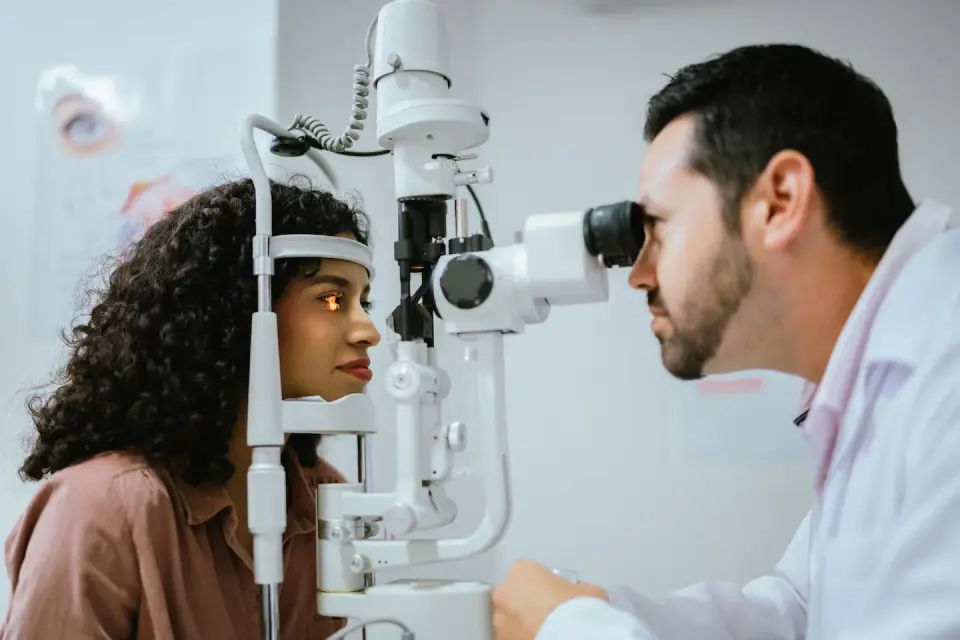
The Washington Post reports that cataracts, often associated with advanced age, can begin developing in individuals in their 40s and 50s. The article outlines five specific early indicators, including the appearance of halos around headlights and a noticeable reduction in color vibrancy. These symptoms suggest that lens opacity may be progressing before significant vision loss occurs, highlighting the importance of early detection for middle-aged adults.
Key points
- Cataracts are not exclusively a condition of the elderly, as they can start forming in people during their 40s and 50s.
- One early sign is the perception of halos or glare around bright lights, such as car headlights, at night.
- Another indicator is a decrease in the vibrancy of colors, making them appear duller or less distinct.
- The article emphasizes that these subtle changes in vision can occur well before the condition becomes severe.
- Recognizing these signs early is crucial for timely medical intervention and management of the condition.
Background
Recent coverage in our archive has explored how age-related changes in vision, including cataracts, can influence circadian rhythms by reducing light sensitivity, potentially leading to earlier wake times in older adults. Additionally, previous articles have highlighted the importance of recognizing early warning signs for various conditions, such as pancreatic and breast cancer, to facilitate timely diagnosis and treatment. This current report extends that theme to eye health, stressing the value of identifying subtle visual changes in middle age to prevent further deterioration.
Why it matters
Identifying cataracts early in middle age allows for proactive management and potential treatment before vision impairment becomes severe. This can help maintain quality of life and independence for individuals in their 40s and 50s, who may not expect to experience such age-related eye conditions. Early detection also enables better planning for surgical interventions if necessary, reducing the impact on daily activities and overall well-being.
What to watch
Individuals experiencing these symptoms should consult an eye care professional for a comprehensive evaluation. Regular eye exams are recommended for those in their 40s and 50s to monitor for early signs of cataracts and other age-related eye conditions. Advances in diagnostic tools and treatments may continue to improve outcomes for those diagnosed with cataracts at a younger age.
Want the full story? Read the original reporting
Read on The Washington Post