
Doctors Link Pickleball Boom to Severe Eye Injuries, Citing Case of Woman Developing Glaucoma
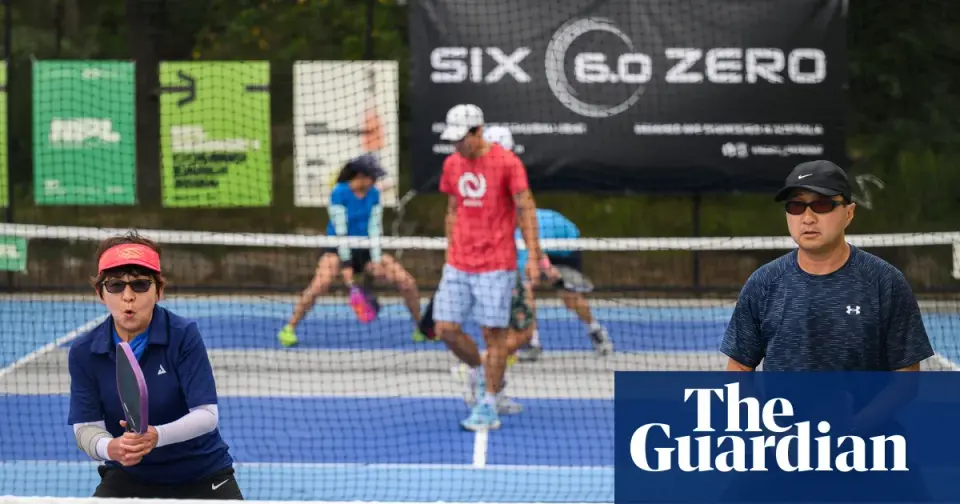
A case study published in BMJ Case Reports details how a woman in her 50s developed glaucoma after sustaining a direct eye injury during a pickleball game without protective eyewear. Doctors from UMass Chan Medical School warn that the sport’s rapid growth, combined with high ball velocities and close player proximity, is leading to a rise in serious ocular trauma. While the patient initially recovered, she later suffered structural optic nerve damage and required surgery. Experts emphasize that modern paddles can generate shots exceeding 60 miles per hour, making protective eyewear essential to prevent permanent vision loss.
Key points
- A woman in her early 50s developed angle-recession glaucoma after a pickleball struck her left eye during a recreational game without eye protection.
- The patient initially presented with blurry vision, severe pain, and high intraocular pressure, but symptoms worsened three months later, leading to structural optic nerve damage.
- Doctors from UMass Chan Medical School published the case in BMJ Case Reports, noting it as part of a broader pattern of eye injuries linked to the sport’s popularity.
- The authors highlight that modern paddles can generate shots exceeding 60 miles per hour, and the sport’s close net proximity increases injury risk.
- Experts recommend the development of sport-specific safety guidelines and the use of protective eyewear to mitigate these risks.
Background
Pickleball has become the fastest-growing sport in the U.S., with 2,300 new courts added in 2025, totaling 18,258 locations nationwide according to USA Pickleball. The sport is particularly popular among seniors due to its lower physical demand compared to tennis, though it carries risks of acute and overuse injuries. While previous coverage has highlighted general health trends and eye disease treatments, this incident specifically addresses the ocular hazards associated with pickleball’s unique playing dynamics.
How outlets are covering it
The Guardian and People.com focus on the specific case study and the warning that the sport’s low-impact image masks serious hazards. The Association of Optometrists provides detailed medical data, noting the patient’s intraocular pressure was 50 mmHg and that she had a family history of glaucoma, though the injury was the primary cause. TribLIVE.com offers a broader perspective from Dr. Brenden Balcik, who emphasizes that while pickleball is beneficial for seniors, risks like falls and eye injuries are significant. He notes that recovery for seniors is slower and more complex than for younger adults, and stresses the importance of wearing protective eyewear and proper court shoes. All sources agree that the lack of mandatory safety guidelines is a critical issue as the sport’s popularity and technology advance.
Why it matters
As pickleball continues to expand rapidly, the incidence of serious injuries, particularly among older players, is rising. The case of the woman developing glaucoma highlights the potential for permanent vision loss from what is often perceived as a casual, low-impact activity. Without the implementation of sport-specific safety measures, such as mandatory protective eyewear, the risk of severe ocular trauma will likely continue to increase, impacting the health and independence of a growing demographic of players.
What to watch
Medical experts are calling for the development of sport-specific safety guidelines similar to those established for other racquet sports. Players are advised to wear protective eyewear and ensure they are using appropriate footwear to minimize injury risks. Further research may be needed to quantify the prevalence of eye injuries in pickleball and to develop standardized safety protocols for the sport.
- Soaring popularity of pickleball linked to eye injuries and disease, doctors warn The Guardian
- Doctors Warn of Eye Risks After Woman’s Pickleball Accident People.com
- WVU Medicine doctor explains benefits, risks for seniors playing pickleball TribLIVE.com
- Woman in her 50s develops traumatic angle-recession glaucoma following pickleball injury Association of Optometrists (AOP)
- Doctors Warn of Hidden Risk From Pickleball Newser
Want the full story? Read the original reporting
Read on The Guardian