
Fiji’s HIV Emergency Faces Stigma and Needle Barriers
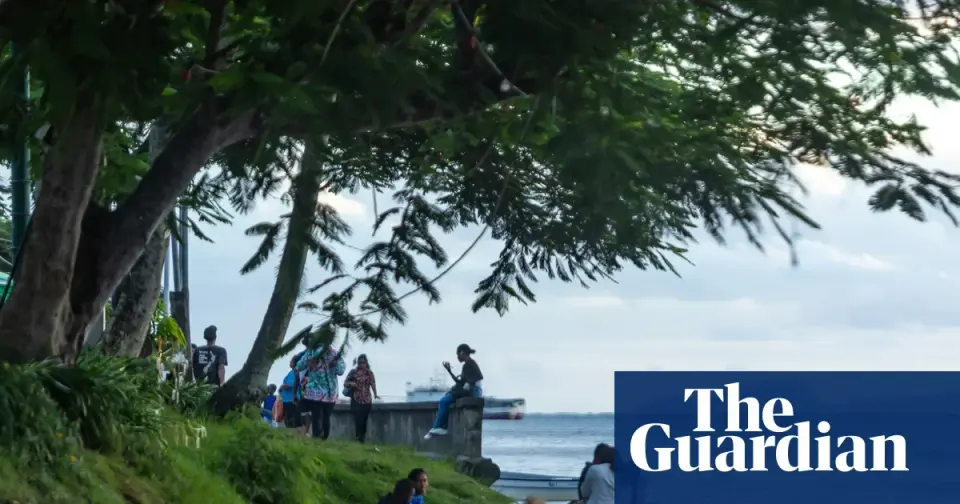
Fiji declared a national HIV emergency in September 2026 as infections surged, with one in 60 adults now living with the virus. The crisis is driven by methamphetamine injection and needle sharing, particularly among youth. While the government plans to expand testing and treatment, legal barriers prevent the distribution of sterile needles, and social stigma continues to deter many from seeking care.
Key points
- Fiji declared a national health emergency in September 2026 to address a 12-fold increase in HIV cases since 2010.
- Approximately 9,100 people are estimated to live with HIV, but only 39% know their status and 22% are on antiretroviral therapy.
- Over 42% of new 2025 infections were linked to sharing contaminated needles, often among children as young as nine.
- The government plans to pass legislation allowing public health workers to distribute sterile needles, currently stored in a Suva warehouse.
- Mother-to-child transmission remains high, with 59 babies born with HIV in 2025, 18 of whom died before their first birthday.
- The response includes expanding PreP access, hiring 100 more staff, and integrating testing into general practice, costing an extra $10.2m annually.
Background
Fiji first announced a pandemic response in February 2025, but the situation deteriorated rapidly. Previous coverage highlighted the link between methamphetamine trafficking and domestic use, which escalated during border closures. The current emergency declaration expands on earlier efforts, focusing on urgent mobilization of resources and legal changes to address the specific drivers of the outbreak.
How outlets are covering it
The Guardian emphasizes the human toll, citing Dr. Kesaia Tuidraki’s mobile clinic screenings where one in six teenagers tested positive, and highlights the legal conflict between harm reduction and drug laws. ABC News focuses on the social stigma and privacy barriers that prevent women from accessing treatment, noting that 18 babies died in 2025 due to untreated mothers. UA.NEWS provides a broader epidemiological view, noting that two-thirds of cases involve people aged 20 to 34 and predicting that 25,000 residents could be infected by 2029 if trends continue. While all sources agree on the severity, the Guardian and ABC highlight the immediate barriers to care, whereas UA.NEWS focuses on long-term projections and the shift from smoking to injecting methamphetamine.
Why it matters
The crisis threatens the stability of a small Pacific nation, with potential regional spread to Solomon Islands and Papua New Guinea. The failure to implement harm reduction measures, such as needle distribution, risks further accelerating the epidemic. International aid, including $48m from Australia, is being directed to address testing and treatment gaps, but domestic political resistance to drug policy reform remains a critical obstacle.
What to watch
Fiji expects to pass a change to the HIV Act within two weeks, allowing the distribution of sterile needles. The government plans to open new clinics and integrate HIV testing into general practice. International partners, including New Zealand and Australia, are providing funding to support these efforts, while advocates continue to push for the immediate release of stockpiled syringes.
- ‘Children are dying’: Fiji hopes declaring an HIV emergency will help it tackle crisis The Guardian
- Why this island paradise has the world's fastest-growing HIV epidemic NPR
- Fiji declares state of emergency over rapid spread of HIV — NPR World UA.NEWS
- Fiji's HIV epidemic is surging and babies are paying the price ABC News & Headlines – Australian Broadcasting Corporation
- Samoa urges safe sex, HIV testing after Fiji declares emergency RNZ
Want the full story? Read the original reporting
Read on The Guardian