
GLP-1 Users Face 11x Higher Risk of Vomiting Under Anesthesia, UK Study Finds
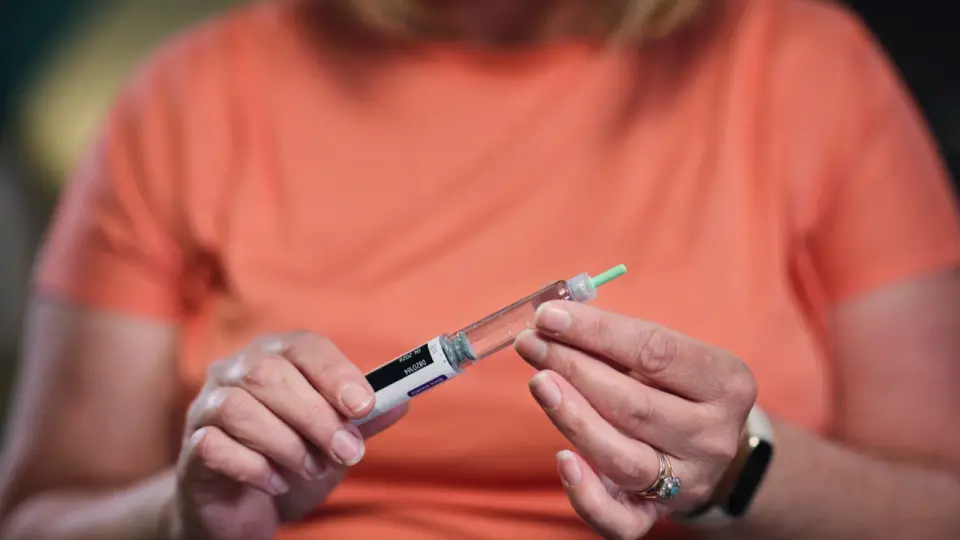
A large UK study reveals that patients taking GLP-1 drugs like Ozempic or Mounjaro face an 11-fold higher risk of regurgitation or pulmonary aspiration during surgery compared to non-users. While the absolute risk remains low, the consequences of inhaling stomach contents while unconscious can be fatal. Experts debate whether stopping the medication before surgery is effective, noting that the drugs' long half-lives may mean standard fasting periods are insufficient to clear the stomach.
Key points
- The GLIMPSE study analyzed 47,039 patients across 119 UK sites, finding that 1,348 were taking GLP-1 receptor agonists.
- Patients on these drugs had a regurgitation or aspiration rate of 1 in 71, compared to 1 in 802 for those not taking the drugs.
- Only two cases of actual pulmonary aspiration occurred, but researchers warn that even minor aspiration can cause severe lung damage or death in vulnerable patients.
- The study suggests that stopping the medication 8 to 14 days before surgery may not be enough, as the drugs have elimination half-lives of 5 to 7 days.
- Over 40% of patients in the study obtained their medication through non-traditional routes, such as online pharmacies, which may lead to under-reporting of drug use to anesthesiologists.
Background
GLP-1 receptor agonists have seen a surge in popularity for weight loss and diabetes management, with projections suggesting over 30 million US users by 2030. Previous retrospective studies had hinted at surgical risks, but this new data provides a larger, multi-center perspective. The issue is compounded by the fact that many patients acquire these drugs outside standard healthcare systems, making it difficult for medical teams to reconcile medications before procedures.
How outlets are covering it
Outlets and experts disagree on the best course of action. ScienceAlert and the New York Post emphasize the statistical risk, highlighting the 11-fold increase in regurgitation. Medscape, however, notes a sharp division among medical societies. The American Society of Anesthesiologists (ASA) and the Society for Perioperative Assessment and Quality Improvement (SPAQI) advocate for a 24-hour clear liquid diet, while the UK's Association of Anaesthetists suggests managing the risk through anesthesia techniques without stopping the drug. Girish P. Joshi of the ASA argues the study is misleading because it focuses on regurgitation rather than the rarer, more dangerous aspiration. Conversely, Kariem El-Boghdadly, the lead researcher, insists the findings are significant enough to warrant further prospective studies to mitigate these risks.
Why it matters
As GLP-1 usage expands globally, the potential for perioperative complications grows. The lack of unified guidance creates a 'confusing landscape' for clinicians and patients. If patients do not disclose their use of these drugs, or if standard fasting protocols are insufficient due to the drugs' long half-lives, the risk of life-threatening aspiration increases. This highlights the need for updated, individualized preoperative screening and clear communication between patients and medical teams.
What to watch
Researchers are calling for large-scale prospective trials to determine the most effective interventions, such as modified fasting versus drug cessation. Medical societies are currently reviewing their guidelines to balance the risks of delayed gastric emptying against the metabolic consequences of stopping the medication. In the meantime, patients are advised to be transparent about their medication use and to follow the specific preoperative instructions provided by their surgical team.
Want the full story? Read the original reporting
Read on ScienceAlert