
H1N1 Variant Drives Unusually Early Flu Surge in Pacific Northwest
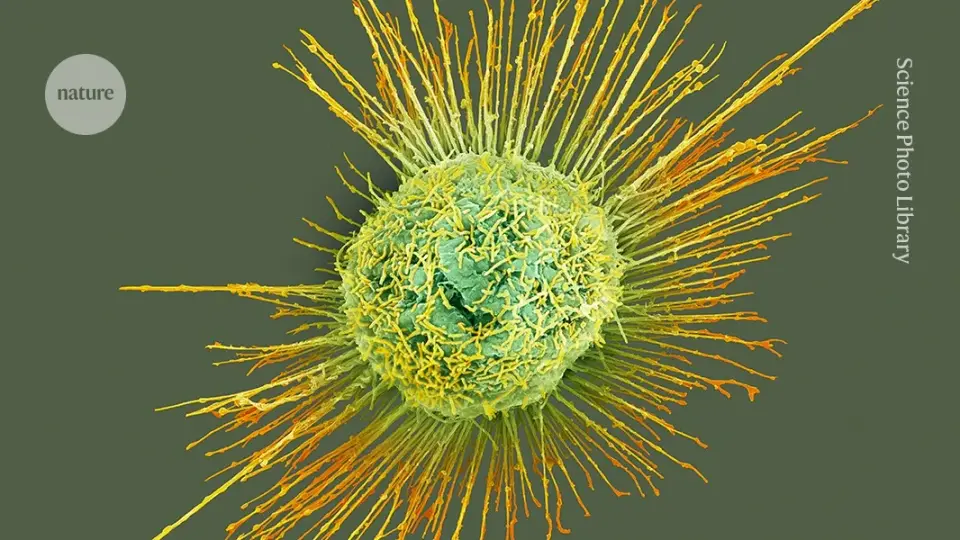
Influenza activity is starting weeks earlier than usual in the Northern Hemisphere, with the Pacific Northwest leading the surge. H1N1 now accounts for 96% of subtyped US cases, driven by a concerning mutation (G155E) that may evade existing immunity. While national activity remains low, local emergency room visits in Washington have jumped sevenfold compared to last year, prompting experts to advise immediate vaccination rather than waiting for the traditional October window.
Key points
- H1N1 dominates current US cases, accounting for 96% of subtyped samples, a shift from last year’s H3N2 dominance.
- A new mutation, G155E, is detected in most H1N1 samples in Seattle and appears to reduce antibody recognition, particularly in younger demographics.
- King County flu-related emergency room visits reached 233 in the week ending September 19, 2026, compared to 31 in the same week last year.
- National CDC data still shows minimal flu activity across all 55 reporting jurisdictions, indicating the surge is currently regional.
- Experts recommend getting vaccinated now instead of waiting until late October, as early activity may shorten the protection window.
Background
Previous coverage noted that experts generally expect flu to peak in December or January, with late October considered the optimal time for vaccination to ensure immunity lasts through the season. Earlier reports in August suggested a potentially milder season based on Australian data, but current trends in the US contradict that optimism. The shift from H3N2 to H1N1 marks a significant change in viral dominance compared to the 2025-2026 season.
How outlets are covering it
Nature highlights the scientific concern regarding the G155E mutation, noting that antibodies in teenagers and young adults are less effective against this variant. Axios and Medical Daily emphasize the sharp statistical rise in emergency room visits in Washington state, contrasting local severity with the calm national picture. KNKX focuses on practical advice, including the availability of home-delivered FluMist and the potential for a second flu wave later in the season. While all sources agree on the early timing, they differ in emphasis: Nature focuses on viral evolution, while local outlets focus on immediate public health response and hospital strain.
Why it matters
An early flu start disrupts standard vaccination timelines and may strain emergency departments before winter peaks. The emergence of a mutation that evades existing immunity could lead to higher susceptibility in younger populations. If the current trend continues, it may result in a prolonged respiratory season, overlapping with COVID-19 and RSV, which could overwhelm healthcare systems.
What to watch
Health officials will monitor weekly CDC data to see if other regions follow the Pacific Northwest’s lead. Researchers are tracking the G155E mutation to determine its impact on vaccine efficacy. Public health campaigns are urging immediate vaccination, and hospitals are preparing for potential sustained respiratory illness through the winter months.
- Flu season could kick off ‘incredibly’ early — what scientists are watching Nature
- Sick season starts early in Seattle Axios
- Flu cases are peaking early in the Pacific Northwest KNKX Public Radio
- King County Flu ER Visits Jumped to 233 in One September Week, Up From 31 a Year Earlier Medical Daily
- Early Flu Concerns Grow As Activity Climbs Across Parts Of US DailyVoice.com
Want the full story? Read the original reporting
Read on Nature