
Viral 'Free Birth' Trend Sparks Medical Alarm Over Rising Risks
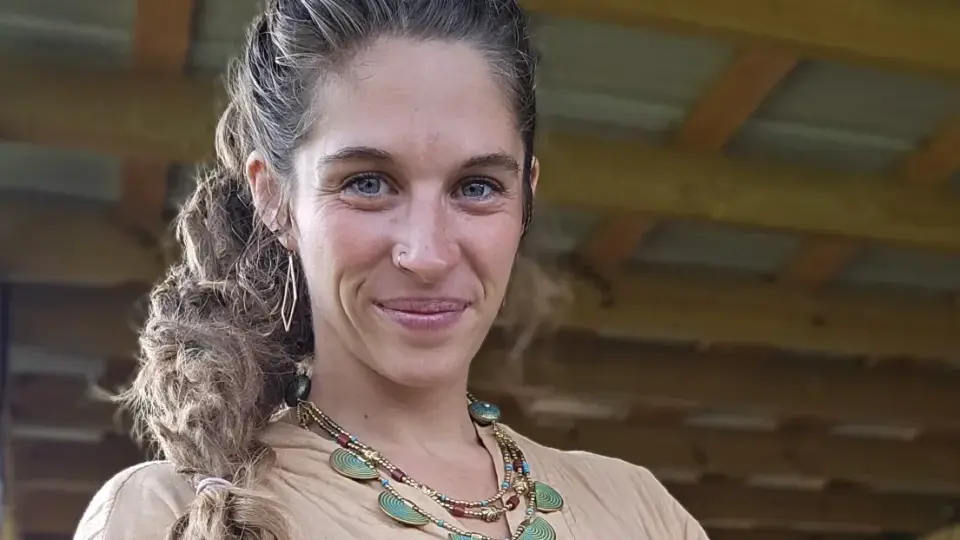
A Nebraska mother’s viral TikTok video of a doctor-free birth has ignited debate over the safety of 'free births.' While some view it as an act of autonomy, medical experts warn that skipping prenatal care and professional delivery assistance significantly increases risks for both mother and child, including undiagnosed congenital issues and hemorrhage.
Key points
- Abbey Khopesh, a 30-year-old Nebraska resident, gave birth to her second child at home without a doctor or midwife, relying solely on her husband and online resources.
- Her TikTok account, Encompass Farming, has garnered over 30 million views, normalizing the practice for a wide audience.
- Khopesh stated she avoided Western medicine due to past frustrations and spent five years preparing for an unmedicated birth, though she admitted she does not recommend the practice for others.
- CDC data shows that approximately 25% of mothers did not receive first-trimester prenatal care in 2024, a 13% increase from 2021.
- Medical experts warn that without professional oversight, newborns may miss critical screenings for conditions like congenital heart disease, and mothers face higher risks of hemorrhage and uterine rupture.
Background
This story follows a broader trend of patients questioning medical authority, as seen in recent cases where individuals sought second opinions after being dismissed or misdiagnosed. The current debate mirrors earlier discussions about the overmedicalization of birth, where some women feel their autonomy is compromised by unnecessary interventions. However, unlike previous cases focused on specific diagnoses, this incident highlights the extreme end of the spectrum: the complete absence of medical care during pregnancy and delivery.
Why it matters
The rise of 'free births' signals a deepening trust deficit between patients and the healthcare system. While valid concerns about disrespectful treatment and unnecessary interventions exist, the shift toward zero medical oversight poses severe, potentially fatal risks. This trend challenges public health infrastructure, as rising rates of skipped prenatal care correlate with higher incidences of preterm births and fetal complications, demanding a more empathetic yet medically rigorous approach to maternal care.
What to watch
Healthcare providers are urged to improve communication and shared decision-making to retain patients who feel alienated. Meanwhile, expectant mothers are advised to understand their health status before conceiving and to avoid home births if they have risk factors like previous C-sections. Khopesh plans to have her newborn checked by a doctor within the first month to ensure no complications were missed during the unattended birth.
Want the full story? Read the original reporting
Read on USA Today