A large meta-analysis confirms that intensive blood pressure lowering significantly reduces cardiovascular events for adults with and without chronic kidney disease, but it is associated with a higher risk of sustained declines in kidney function, though not kidney failure.
Freddie Jackson, the R&B star known for 'You Are My Lady' and 'Rock Me Tonight,' died at age 70. His family announced his passing on October 6, three days after his birthday, without disclosing a cause of death. Jackson had previously revealed a kidney disease diagnosis in 2024 and partnered with the National Kidney Foundation. He earned two Grammy nominations and multiple platinum albums, leaving a legacy as a defining voice of 1980s soul music.
R&B legend Freddie Jackson has died at age 70, just three days after his birthday. Known for 1980s hits like 'Rock Me Tonight' and 'You Are My Lady,' Jackson was a defining voice of adult-oriented soul. His family confirmed his passing on social media, noting he had previously disclosed a kidney disease diagnosis in 2024, though no specific cause of death was provided. Jackson achieved two platinum albums and two Grammy nominations, leaving a legacy as a dominant figure in 1980s R&B.
Vera Therapeutics reported final two-year data from the ORIGIN 3 Phase 3 trial, showing that its drug Trutakna stabilized kidney function and reduced the risk of kidney-related death in patients with IgA nephropathy. Following a July accelerated approval, the company plans to seek full FDA approval in the fourth quarter of 2026.
A mysterious form of chronic kidney disease, known as CKDu, has emerged in Texas, affecting young, healthy workers in construction and agriculture. The condition, which previously devastated Central America, causes kidney failure without typical risk factors like diabetes or high blood pressure. Experts suspect heat stress, dehydration, and pesticide exposure are primary drivers. Early detection is difficult, and treatment options are limited, highlighting the need for routine screening for outdoor laborers.
A Circulation: Population Health and Outcomes study of 1,283 young adults finds that nearly 80% meet criteria for cardiovascular–kidney–metabolic (CKM) syndrome, a four-stage condition linking heart disease risk, kidney disease, obesity, and type 2 diabetes. About 21% had some risk factors (stages 1–3) while none were in the most severe stage 4; those with advanced CKM also had lower Life’s Essential 8 cardiovascular health scores, underscoring the need for earlier prevention guidelines for people under 30.
A UK study of 28,720 people newly diagnosed with type 2 diabetes (2010–2020) finds men are more likely to develop cardiovascular disease and end-stage renal disease, while women are more likely to develop mental health conditions; hypertension is the most common complication for all. The researchers call for sex-specific diabetes care, including routine mental health screening for women and earlier cardiovascular and kidney monitoring for men, though causation cannot be established from this observational study.
Nearly 90% of Americans have at least one risk factor for CKM syndrome (cardiovascular-kidney-metabolic), a cluster linking obesity, heart/kidney disease and Type 2 diabetes. The American Heart Association urges earlier, coordinated screening and prevention—obesity screening starts at age 6; other screenings begin at various ages (heart disease around 20, diabetes around 35, kidney disease around 60)—with emphasis on waist circumference and BMI to gauge risk, aiming to curb progression to serious illness.
The American Heart Association coined CKM syndrome in 2023 to describe the overlap of cardiovascular, kidney, and metabolic diseases driven by excess weight, high blood pressure, and high blood sugar. It’s defined as a four‑stage continuum (Stage 0–Stage 4) with about 90% of Americans on the spectrum; prevention focuses on lifestyle changes (Mediterranean-style diet, physical activity, sleep, avoiding nicotine) and broad‑acting medications (GLP‑1s, SGLT2 inhibitors, nsMRAs) alongside traditional treatments like metformin, statins, and ACE inhibitors to slow progression and reduce hospitalizations. The overarching message is awareness and prevention, rather than overmedicalizing those at risk—including Stage 0 individuals who are at risk but not yet diseased.
CKM syndrome, formalized by the AHA in 2023, is a four-stage framework showing how overweight, high blood pressure, high blood sugar, and reduced kidney function connect cardiovascular, kidney, and metabolic diseases; about 90% of U.S. adults fall somewhere on the spectrum, from risk (Stage 0) to overt disease, with prevention centered on lifestyle changes and newer medications like GLP-1s, SGLT2 inhibitors, and nsMRAs that benefit multiple organs.
Diabetes often harms kidneys without noticeable symptoms. Experts urge controlling blood sugar and blood pressure, staying hydrated appropriately, eating a kidney-friendly diet with moderated protein and salt, staying physically active, quitting tobacco, limiting alcohol, and getting regular kidney screenings to catch problems early and prevent long-term damage.
An observational study presented at a European Renal Association congress suggests dihydropyridine calcium-channel blockers (DCCBs) used as add-on therapy to standard hypertension treatment in people with type 2 diabetes may be associated with a 33% higher risk of major adverse kidney events, hinting at faster progression of diabetic kidney disease. The findings are not yet peer-reviewed and could be affected by confounding, so replication is needed before changing guidelines. Clinicians should individualize blood‑pressure management and consider alternatives like thiazide diuretics, while patients should consult their doctors for personalized therapy.
Eli Lilly and Ascidian Therapeutics unveiled a collaboration/licensing agreement potentially worth up to $1.9 billion to develop RNA-editing therapies for kidney diseases, following early data suggesting the approach may be safe in humans.
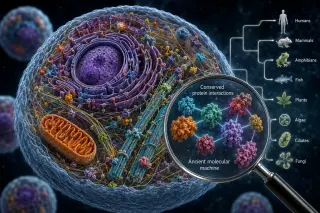
UT Austin researchers reconstructed the last eukaryotic common ancestor’s protein interactome, building the most detailed map of ancient cellular machinery to predict human disease genes and explain links to ciliopathies, kidney disease and osteopetrosis, offering a new approach to interpreting rare variants and guiding disease mechanisms.
Grizz Chapman, the 7-foot-tall actor who played Grizz on 30 Rock, died in his sleep at 52 after years of illness and dialysis. He battled kidney disease, spent years in dialysis during filming, and received a kidney transplant in 2010. He is survived by his wife, Diana, and their two children, with tributes from costars highlighting his warmth and humor.