
Mayo Clinic Study Reveals Fatty Liver Disease Is Five Distinct Conditions, Not One
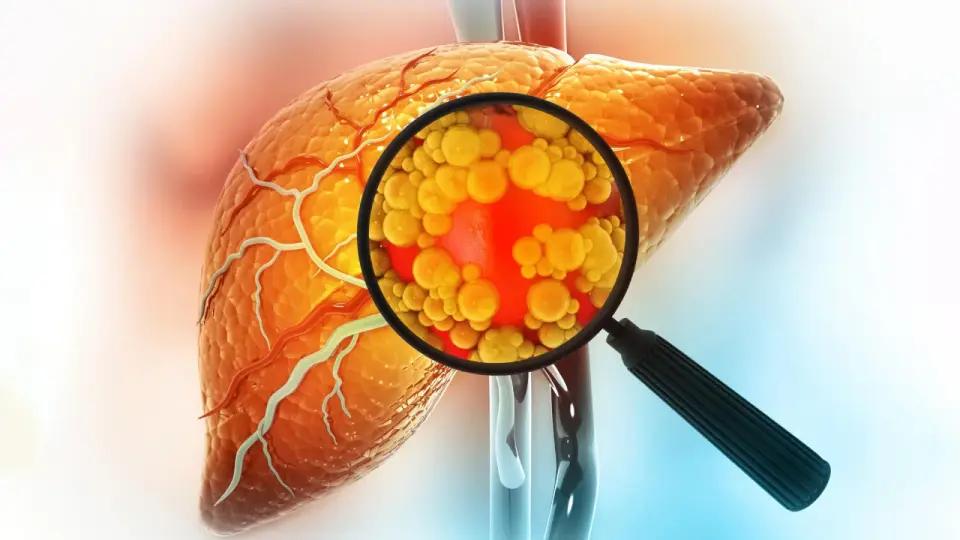
Mayo Clinic researchers have identified five biologically distinct subtypes of metabolic dysfunction-associated steatotic liver disease (MASLD), challenging the view that it is a single condition. Published in Nature Communications, the study analyzed genetic and clinical data from over 4,600 patients to reveal that some forms are driven by genetics rather than obesity or diabetes. These genetic subtypes carry higher risks for liver failure and cancer, even in patients without traditional metabolic risk factors. The findings suggest that future treatments, including GLP-1 receptor agonists, could be tailored to specific biological pathways, enabling earlier detection and more precise interventions for a disease affecting nearly 30% of adults worldwide.
Key points
- Mayo Clinic and Virginia Tech researchers identified five distinct biological subtypes of MASLD using data from over 4,600 patients.
- Some subtypes are driven by inherited genetic differences rather than obesity or diabetes, yet carry higher risks for advanced liver damage.
- The study utilized Mayo Clinic's Research Data Atlas and the Tapestry Study, which includes exome data from over 100,000 participants.
- Researchers found associations between specific MASLD subtypes and conditions such as depression, sleep apnea, and migraines.
- The findings support the potential for personalized treatments, including GLP-1 receptor agonists, based on the underlying biology of each patient's disease.
Background
This discovery builds on recent concerns about the rising global prevalence of MASLD, formerly known as nonalcoholic fatty liver disease. Previous archive coverage highlighted that the condition affects nearly 30% of adults and is increasingly impacting younger populations due to lifestyle factors. Recent studies have also linked late-night eating and gut barrier dysfunction to liver disease progression, underscoring the complexity of the condition. The new subtyping research adds a genetic dimension to these metabolic and lifestyle factors, suggesting that the disease's progression is not uniform across all patients.
How outlets are covering it
ScienceDaily and the primary research emphasize the biological complexity of MASLD, highlighting how genetic subtypes can lead to severe complications even without metabolic risk factors. In contrast, Financial News focuses on the lifestyle drivers of the disease in younger populations, noting that obesity and smoking are significant contributors, and warns that many patients neglect follow-up care. Jang provides a broader global perspective, projecting that 1.8 billion people will have MASLD by 2050, driven by obesity and sedentary lifestyles. Nature’s commentary, 'Waiting to get sick enough,' critiques the current healthcare system for failing to act on early liver warnings, suggesting that the new subtyping could improve early intervention. While ScienceDaily focuses on the potential for personalized treatment, Financial News and Jang emphasize the urgent need for lifestyle changes and early screening to prevent progression.
Why it matters
The identification of five distinct subtypes of MASLD could revolutionize how the disease is diagnosed and treated. By understanding the specific biological drivers of each subtype, clinicians can better predict which patients are at risk for severe complications like cirrhosis or liver cancer. This could lead to more personalized treatment plans, including the use of GLP-1 receptor agonists, and earlier interventions for patients with genetic forms of the disease. Given that MASLD affects nearly 30% of adults worldwide and is a major contributor to liver transplantation, these findings have significant implications for public health and medical practice.
What to watch
The research team plans to validate these findings in larger and more diverse patient populations. They also intend to investigate whether different subtypes respond differently to existing treatments, such as GLP-1 receptor agonists. If confirmed, these results could lead to more precise screening protocols and tailored therapies, potentially reducing the burden of MASLD and its complications. Additionally, further research may explore the connections between MASLD subtypes and other conditions like depression and sleep apnea, offering a more holistic approach to patient care.
- Fatty liver disease is actually five different conditions, scientists discover Science Daily
- Waiting to get sick enough Nature
- “Not a Drop of Alcohol, Yet Fatty Liver?” People in Their 20s and 30s Can’t Take Comfort in Their Youth [Health Talk] 파이낸셜뉴스
- The silent epidemic striking non-drinkers 1.8 billion at risk by 2050 Jang
- You look healthy but have fatty liver? Here's why even lean people can develop MASLD THE WEEK
Want the full story? Read the original reporting
Read on Science Daily