Tag

Metabolic Health

All articles tagged with #metabolic health

UC Berkeley researchers map the neural feedback loop linking deep sleep to growth hormone release
science1 hour ago

UC Berkeley researchers map the neural feedback loop linking deep sleep to growth hormone release

Researchers at UC Berkeley have identified a specific brain circuit in the hypothalamus that regulates growth hormone release during deep sleep. This newly discovered feedback loop shows that sleep stimulates hormone production, which in turn influences wakefulness via the locus coeruleus, highlighting how poor sleep can disrupt metabolism and brain health.


Late-Night Eating Linked to 36% Higher Risk of Fatty Liver Disease in 200,000-Person Study
health21 hours ago

Late-Night Eating Linked to 36% Higher Risk of Fatty Liver Disease in 200,000-Person Study

A large observational study involving nearly 200,000 participants found that eating late at night is associated with a 28% to 36% higher risk of developing cirrhosis and metabolic dysfunction-associated steatotic liver disease (MASLD). Researchers suggest that misaligning meal times with the body's circadian rhythms may impair liver metabolism, leading to fat accumulation. While the study cannot prove causation, experts recommend confining calorie intake to several hours before bedtime to potentially mitigate these risks.

Losartan Repurposing: New Study Links Brown Fat Activation to Reduced Disease Risk
health-and-medicine1 day ago

Losartan Repurposing: New Study Links Brown Fat Activation to Reduced Disease Risk

A large-scale study published in Nature reveals that the common blood pressure medication losartan can activate brown adipose tissue (BAT), potentially boosting metabolism. By analyzing over 100,000 patient records, researchers found that individuals with active BAT have significantly lower risks of cardiovascular and psychiatric conditions. This suggests losartan could be repurposed to treat metabolic disorders, independent of its blood pressure effects.

health1 day ago

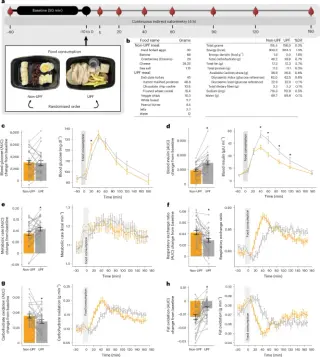
Nutrient-Matched Meals Reveal Processing Drives Distinct Insulin and Brain Responses

New research from Virginia Tech shows that ultra-processed foods trigger higher insulin levels and altered brain activity compared to minimally processed meals, even when nutritional profiles are identical. Concurrent studies in Canada link high consumption of these foods to increased risks of silent strokes and vascular brain injuries, suggesting that industrial processing itself, not just macronutrient content, impacts metabolic and neurological health.

Orthopedic Surgeon Howard Luks Rejects 'Bone-on-Bone' Narrative to Advocate for Metabolic Focus in Knee Health
health-and-wellness4 days ago

Orthopedic Surgeon Howard Luks Rejects 'Bone-on-Bone' Narrative to Advocate for Metabolic Focus in Knee Health

Orthopedic surgeon Howard Luks argues that knee arthritis is primarily a metabolic condition rather than inevitable wear and tear. He advocates for daily movement and strength training to nourish cartilage, which lacks a direct blood supply and relies on synovial fluid for nutrients. Luks rejects the 'bone-on-bone' diagnosis as a source of unnecessary despair, emphasizing that joints can remain functional throughout life with proper care.

Study: Ultra-Processed Foods Alter Brain Reward Signals Despite Identical Nutrition
health11 days ago

Study: Ultra-Processed Foods Alter Brain Reward Signals Despite Identical Nutrition

A new randomized study from Virginia Tech reveals that ultra-processed foods (UPFs) trigger distinct metabolic and brain responses compared to whole foods, even when nutritional content is identical. The research suggests that industrial processing alters how the body processes carbohydrates and insulin, which in turn changes how the brain values food cues, potentially driving overconsumption.

Experts Warn Against 'Atomic Bomb' GLP-1 Dosing Amid 93% US Metabolic Health Crisis
health18 days ago

Experts Warn Against 'Atomic Bomb' GLP-1 Dosing Amid 93% US Metabolic Health Crisis

Functional medicine expert Dr. Will Cole states that 93% of US adults are metabolically unhealthy. He argues against high-dose GLP-1 medications, warning they may disrupt reward pathways and cause disordered eating. Cole advocates for micro-dosing combined with lifestyle changes, while dietitian Sophie Medlin emphasizes the need for protein intake and exercise to prevent muscle loss during weight loss.

Experts warn extreme leanness harms health as body fat is redefined as vital organ
health19 days ago

Experts warn extreme leanness harms health as body fat is redefined as vital organ

Medical experts are challenging the cultural obsession with extreme leanness, arguing that body fat is a biologically active organ essential for hormone regulation, temperature control, and immune function. While excess fat carries known risks, insufficient fat triggers a 'starvation mode' that shuts down vital systems, leading to muscle loss, bone fragility, and reproductive issues. There is no universal ideal percentage, but healthy ranges typically fall between 10-20% for men and 20-29% for women. Accurate measurement is difficult, with DXA scans being the gold standard, while smart scales and skinfold tests often yield misleading results. Experts advise focusing on waist-to-height ratios rather than obsessing over specific fat percentages.

health19 days ago

Microdosing GLP-1s in Perimenopause: Emerging Science, Risks, and Gaps in Evidence

Microdosing GLP-1 receptor agonists like semaglutide and tirzepatide at doses significantly lower than standard prescriptions is gaining traction among clinicians treating perimenopausal women. This approach aims to address metabolic shifts caused by declining estrogen, which naturally reduces the body's own GLP-1 signaling. While low doses may improve insulin sensitivity and reduce gastrointestinal side effects, the practice remains off-label with limited rigorous scientific support. Experts emphasize that while metabolic benefits may precede weight loss, the lack of standardized guidelines and potential risks, such as muscle loss, necessitate careful, individualized medical supervision.

Five-Minute Breaks and Single-Leg Stands: New Strategies to Counter Sedentary Health Risks
health-and-wellness19 days ago

Five-Minute Breaks and Single-Leg Stands: New Strategies to Counter Sedentary Health Risks

Prolonged sitting is linked to increased risks of heart disease, diabetes, and fatigue, even among regular exercisers. Experts recommend breaking up sedentary time with short, frequent movement breaks rather than relying solely on dedicated workout sessions. While some advocate for five-minute walks every 30 minutes to lower blood pressure and glucose, others suggest specific exercises like single-leg standing for bone health. The consensus is that integrating movement throughout the day is crucial for mitigating the metabolic and cardiovascular damage caused by modern sedentary habits.

Dietary Balance, Not Restriction, May Reverse Biological Age in Older Adults
health21 days ago

Dietary Balance, Not Restriction, May Reverse Biological Age in Older Adults

A four-week trial at the University of Sydney found that shifting to an omnivorous, high-carbohydrate, low-fat diet reduced biological age in adults aged 65–75. This aligns with a larger German study showing that various healthy dietary patterns, rather than a single 'perfect' diet, are linked to slower aging through shared biological pathways.