
Non-Smoker’s Persistent Cough Leads to Stage 4 Lung Cancer Diagnosis
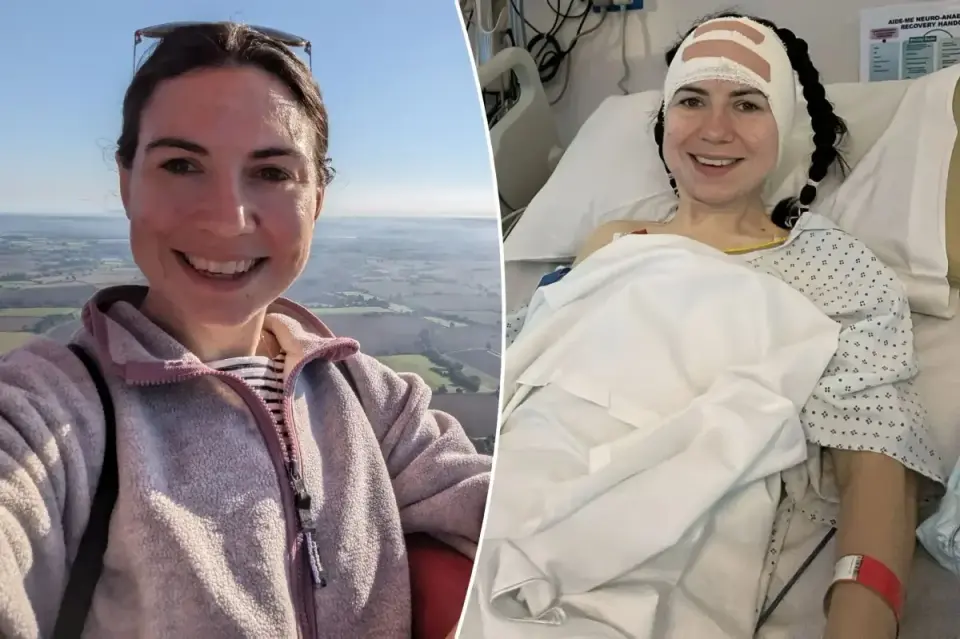
Jade Fardon, a 33-year-old non-smoker from Watford, England, was diagnosed with stage 4 ALK-positive lung cancer in 2022 after years of dismissed coughs. Initially attributed to COVID-19, her symptoms persisted, leading to a CT scan that revealed extensive tumors in both lungs. She underwent targeted oral therapy, which initially controlled the disease, but brain metastases emerged in 2023. Despite gamma knife radiation and surgery, the cancer progressed, requiring new medication. Fardon now works part-time while raising awareness for ALK-positive patients.
Key points
- Jade Fardon, 33, was diagnosed with stage 4 ALK-positive lung cancer in April 2022 despite never having smoked.
- Her initial cough in 2020 was repeatedly dismissed by doctors as COVID-19, delaying diagnosis by two years.
- A CT scan revealed tumors in both lungs, with the primary tumor measuring approximately 2.5 inches.
- She received targeted oral therapy instead of chemotherapy, which initially shrank the tumors and allowed her to return to work.
- Brain metastases were discovered in December 2023, leading to gamma knife radiation and subsequent surgery in late 2024.
- Fardon is now on new medication, monitored every four months, and works four days a week while advocating for ALK-positive patients.
Background
This case highlights the risks of dismissing persistent respiratory symptoms in young, non-smoking patients. Previous coverage has noted similar delays in diagnosis for non-smokers with lung cancer, such as Heather Suchan, whose persistent cough was also initially overlooked. Additionally, concerns about inadequate medical oversight in lung-related conditions have been raised in other UK cases, such as the review of interstitial lung disease patients treated by a suspended consultant. These instances underscore the importance of thorough investigation for persistent symptoms, regardless of patient age or smoking history.
Why it matters
Fardon’s case underscores the critical need for timely diagnosis of lung cancer in non-smokers, a demographic often overlooked in public health messaging. The delay in her diagnosis, from 2020 to 2022, highlights how persistent symptoms can be misattributed to common conditions like COVID-19, potentially leading to advanced-stage detection. Her experience also illustrates the evolving treatment landscape for ALK-positive lung cancer, where targeted therapies can significantly improve quality of life, even in incurable cases. By sharing her journey, Fardon aims to challenge stereotypes about stage 4 cancer and encourage early medical attention for persistent symptoms.
What to watch
Fardon will continue her regular monitoring with MRI and CT scans every four months, alongside two-monthly oncologist check-ups. She has opted for private sector care to manage her condition more effectively. Additionally, she plans to participate in charity events, including the Tour De 4 cycle race, to raise funds and awareness for ALK-positive lung cancer patients. Her ongoing advocacy aims to shift public perception of living with stage 4 cancer and promote early diagnosis.
Want the full story? Read the original reporting
Read on New York Post