
The Presence of Plastic in Our Brains: A Disturbing Reality
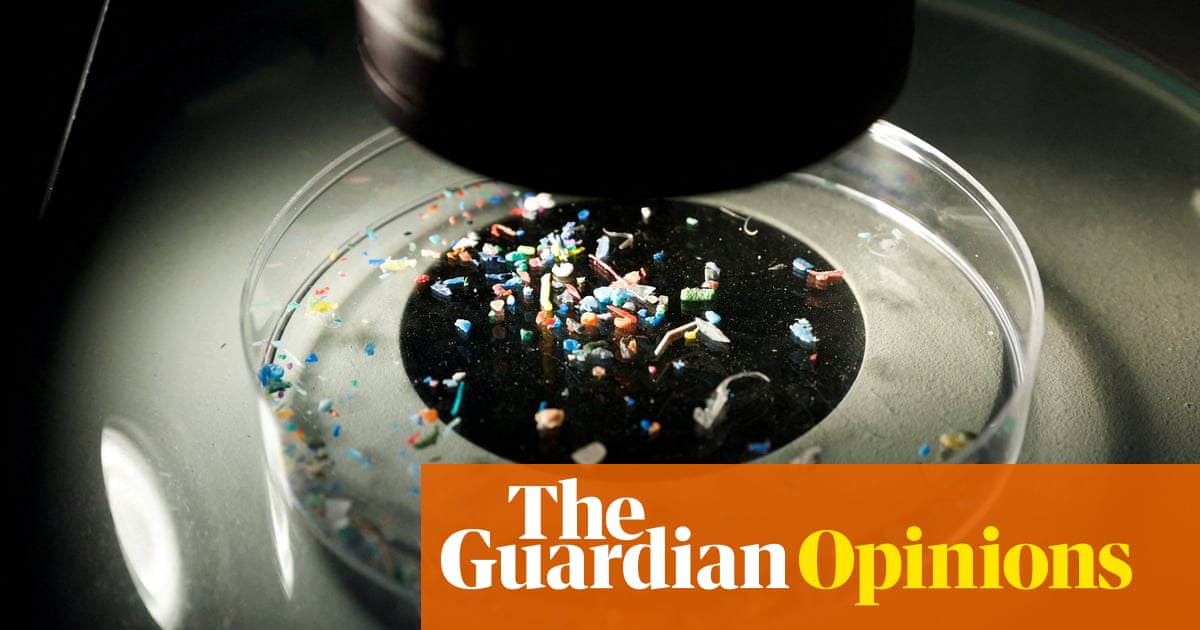
Researchers at the University of Vienna have found particles of plastic in mice's brains just two hours after ingesting drinking water containing plastic. The study suggests that plastic particles could increase the risk of inflammation, neurological disorders, or even neurodegenerative diseases such as Alzheimer's or Parkinson's. Nanoplastic particles, which are invisible to the naked eye, can travel into the brain via a previously unknown biological "transport mechanism." Plastics have infiltrated most parts of the human body, including our blood, organs, placentas, breast milk, and gastrointestinal systems. More countries must designate plastics as toxic and increase its regulation.
Reading Insights
0
12
3 min
vs 4 min read
87%
723 → 97 words
Want the full story? Read the original article
Read on The Guardian