Tag

Nanoplastics

All articles tagged with #nanoplastics

Boiling in Plastic Kettles Could Dump Billions of Microplastics Into Your Tea
science10 days ago

Boiling in Plastic Kettles Could Dump Billions of Microplastics Into Your Tea

Australian researchers find that the first boil in new polypropylene kettles can release up to 12 million nanoparticles per milliliter, equating to about 3 billion microplastics per cup. Hard tap water and repeated boiling reduce release (limescale coating; drops after about 10-50 boils), but particles persist even after many cycles. The study calls for clearer warnings on kettle labels and more testing across kettle types to assess health risks, which remain uncertain.

Airborne microplastics may warm the planet, new study shows
science22 days ago

Airborne microplastics may warm the planet, new study shows

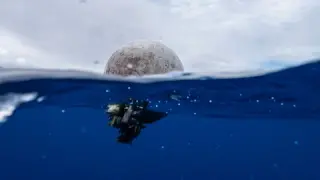
New research shows microplastics and nanoplastics suspended in the atmosphere—originating from sources like the Great Pacific Garbage Patch—absorb sunlight and heat the air, with colored pigments making them far more effective at warming than clear plastics. The warming effect is likely small globally but could be pronounced in regions with higher atmospheric plastic, and scientists caution that uncertainties in measuring airborne plastics mean climate models should be updated as more data become available.

Columbia Study Reveals Nanoplastic Load in Everyday Bottled Water
health28 days ago

Columbia Study Reveals Nanoplastic Load in Everyday Bottled Water

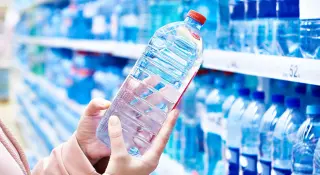
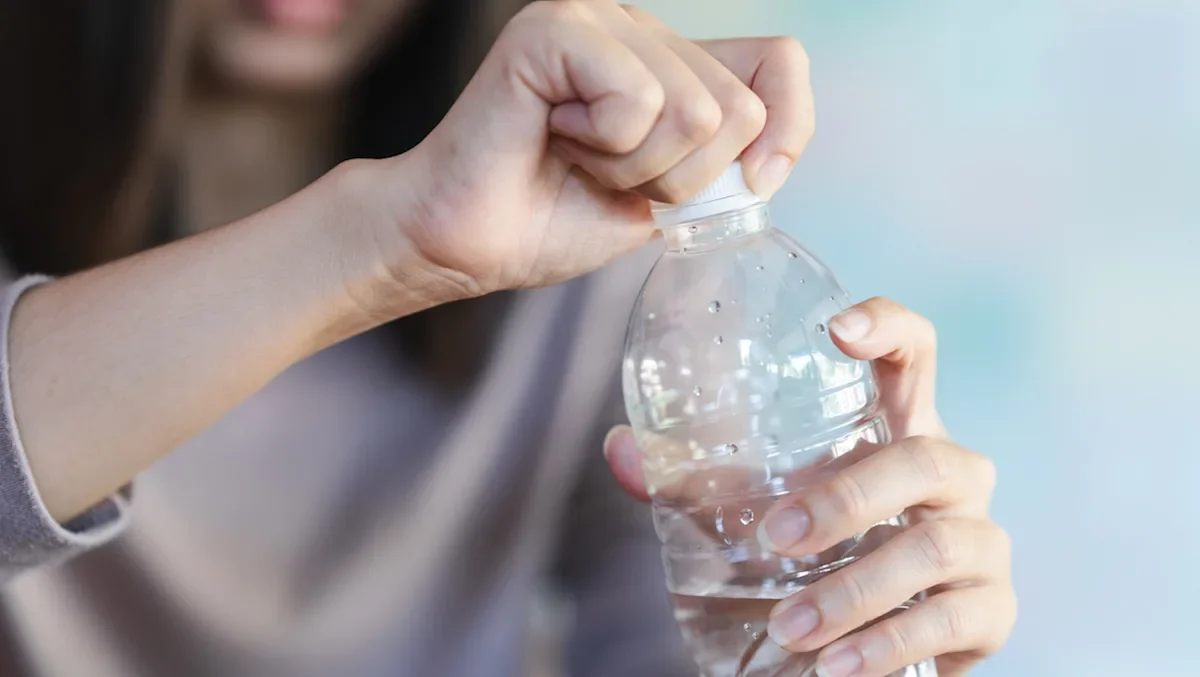
A Columbia University study using advanced imaging found hundreds of thousands of plastic particles per liter in widely sold bottled water, including nanoplastics small enough to cross cellular barriers. Brands weren’t named, but the findings raise health and regulatory questions and call for transparency and better testing. Practical takeaways include using glass or stainless steel, improving filtration, avoiding heat, and storing water cool; currently, US bottled water is FDA-regulated with no federal microplastic limits. The research emphasizes that “clear” water may not be truly clean and highlights the need for industry and policy updates.

Kimchi bacteria may help flush nanoplastics from the gut
science1 month ago

Kimchi bacteria may help flush nanoplastics from the gut

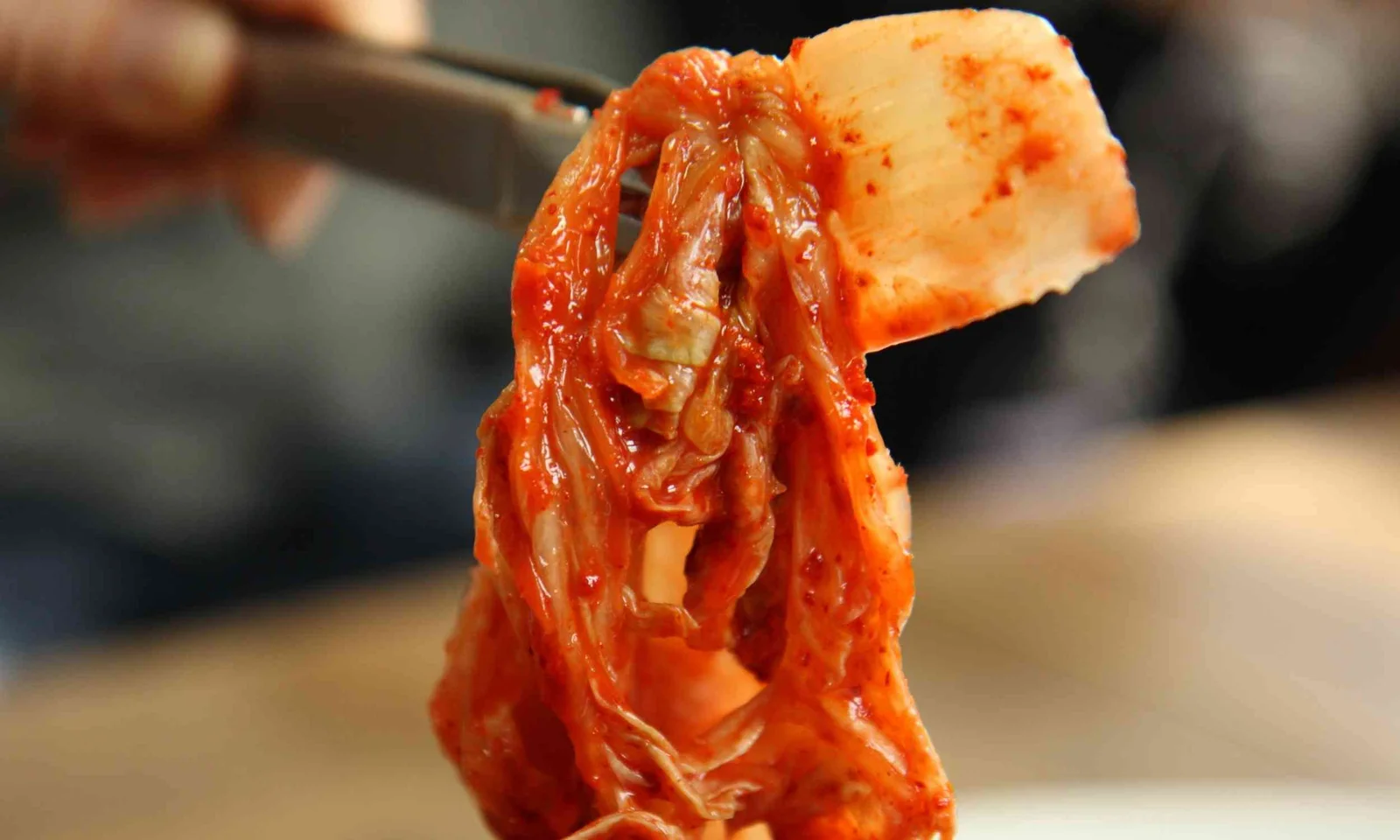
Scientists identified a kimchi-derived bacterium that can bind nanoplastics in a gut-like environment, capturing about 57% of particles versus 3% for a comparison strain and about 87% binding before digestion. In germ-free mice, those given the kimchi bacterium excreted more nanoplastics in feces, suggesting the gut could serve as an initial barrier to plastic exposure. The finding is promising but preliminary—human relevance remains unproven, and longer studies plus human trials are needed; next steps include screening other fermented foods for stronger binders and pursuing clinical testing.

Nanoplastics flood U.S. drinking water at levels far higher than previously thought
environment2 months ago

Nanoplastics flood U.S. drinking water at levels far higher than previously thought

A new study using optical photothermal infrared spectroscopy and electron microscopy finds nanoplastics in U.S. drinking water—both tap and bottled—at 10–100x higher concentrations than prior estimates, with bottled water containing about three times more nanoplastics. Health impacts are not well understood, but researchers caution that reducing exposure is prudent.

Brewing May Release Billions of Plastic Particles From Tea Bags
science2 months ago

Brewing May Release Billions of Plastic Particles From Tea Bags

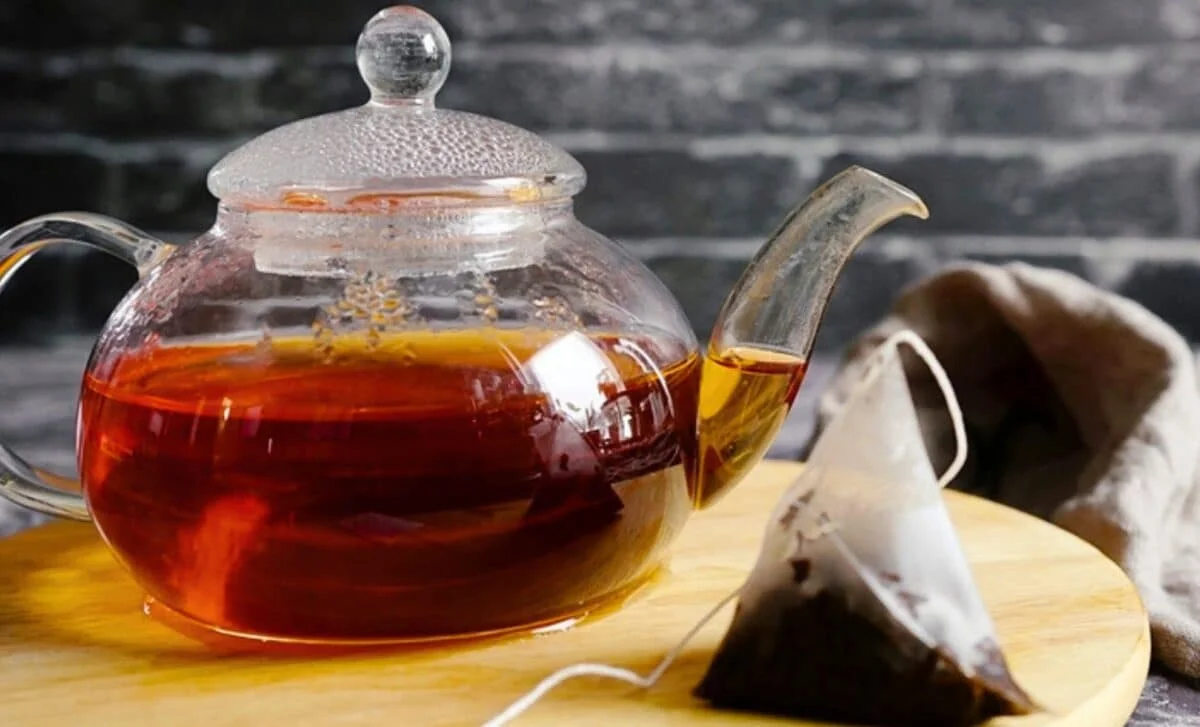
A review in Food Chemistry finds teabags—often made with plastic mesh or mixed materials—are a leading source of microplastics and nanoplastics in tea. When exposed to boiling water, some bags can release more than a billion particles into the brew, with studies reporting up to 14.7 billion particles per bag depending on methods and detection. Results vary due to testing techniques and contamination risks, and researchers also note possible leaching of plastic additives, though health implications for humans remain unproven. The takeaway is that familiar tea packaging can be a major source of plastic contamination in tea, though exact quantities are not uniform across brands or studies.

Tiny plastics in bottled water exceed prior estimates, study finds
science3 months ago

Tiny plastics in bottled water exceed prior estimates, study finds

A peer‑reviewed study in Science of the Total Environment found bottled water contains higher concentrations of microplastics and nanoplastics than treated tap water, with nanoplastics making up more than 50% of detected particles. Using advanced techniques like scanning electron microscopy and optical photothermal infrared spectroscopy, researchers warn that nanoplastics can cross cellular barriers and potentially reach organs, underscoring the need for better detection and consideration of alternatives to bottled water (e.g., filtered tap water or reusable bottles).

science4 months ago

Microplastics: new scrutiny shakes up claims of rampant health risks

A wave of critique questions whether microplastics pose the health risks often reported. A Nature Medicine letter argues detection methods are flawed and that fats in the body could cause false positives, while other researchers point to contamination and methodological gaps in many studies. Although some experts still warn microplastics can enter the body and be biologically active, there is no consensus on harm; advances like new imaging techniques aim to reduce contamination and better link plastics to disease, but it may take years to standardise methods and reach firm conclusions.