
Study Finds Low-Dose GLP-1 Drugs Still Effective, Fueling Microdosing Debate
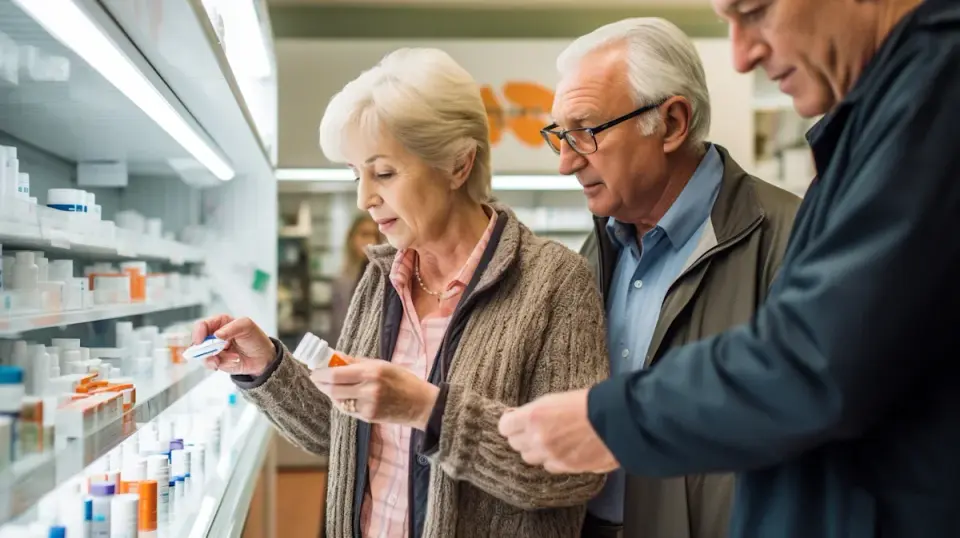
A new study indicates that maintaining the lowest starting doses of GLP-1 weight-loss drugs like Wegovy and Zepbound can still result in modest weight loss and fewer side effects. While this supports the emerging 'microdosing' trend, medical experts warn that unsupervised use is risky and that most patients eventually require higher doses to achieve significant results.
Key points
- Research published in Biology Methods & Protocols found that sustained low-dose tirzepatide led to approximately 5.5% weight loss over one year, while low-dose semaglutide resulted in about 2.2% weight loss.
- Low-dose semaglutide was associated with significantly lower rates of side effects such as nausea, constipation, and low blood pressure compared to higher doses.
- Australian medical experts warn that the microdosing trend lacks sufficient evidence for non-obese or non-diabetic individuals and poses risks from counterfeit online products.
- The Economist notes that microdosing has become a major off-label experiment, with one in seven users reportedly engaging in the practice, often without medical supervision.
Background
This development occurs as Novo Nordisk rebrands to 'Novo' to regain market share against Eli Lilly, which has recently widened its lead in the GLP-1 market with strong demand for Zepbound and Mounjaro. The competition has intensified with the recent UK approval of Lilly's oral weight-loss pill, Foundayo, and ongoing debates about pricing and accessibility in the US and Europe.
How outlets are covering it
Healthline and the study's authors emphasize the potential benefits of low-dose maintenance for cardiometabolic health and reduced side effects. Conversely, 7news.com.au and Australian medical experts highlight the dangers of unsupervised microdosing, particularly the risk of counterfeit drugs and the lack of evidence for use in healthy individuals. The Economist frames the trend as a massive, unregulated off-label experiment, noting that while some companies like Hims & Hers offer these services, many users self-administer without professional guidance.
Why it matters
The findings could shift clinical guidelines toward personalized, lower-dose maintenance strategies, potentially reducing side effects and costs for patients. However, the widespread, unsupervised adoption of microdosing poses significant public health risks, including the consumption of unregulated or counterfeit medications, which could undermine the safety profile of these critical drugs.
What to watch
Regulatory bodies and medical associations are expected to issue stricter guidelines regarding off-label use and online sales of GLP-1 drugs. Novo Nordisk and Eli Lilly may face increased scrutiny regarding their marketing and the safety profiles of their products at lower doses. Further clinical trials may be commissioned to validate the long-term efficacy and safety of microdosing protocols.
- Novo Nordisk (NVO) and Eli Lilly (LLY)’s Weight-Loss Drugs Still Work at Smaller Doses, Study Finds Yahoo Finance
- Can Microdosing GLP-1s Like Wegovy, Zepbound Help You Lose Weight? Healthline
- Doctors sound the alarm over weight-loss drug ‘microdosing’ trend sweeping social media 7news.com.au
- Should you microdose GLP-1 drugs for weight loss? Livemint
- Why slim Australians are taking GLP-1 drugs such as Ozempic AFR
Want the full story? Read the original reporting
Read on Yahoo Finance