
Washington State Records First U.S. Bird Flu Death in 2026
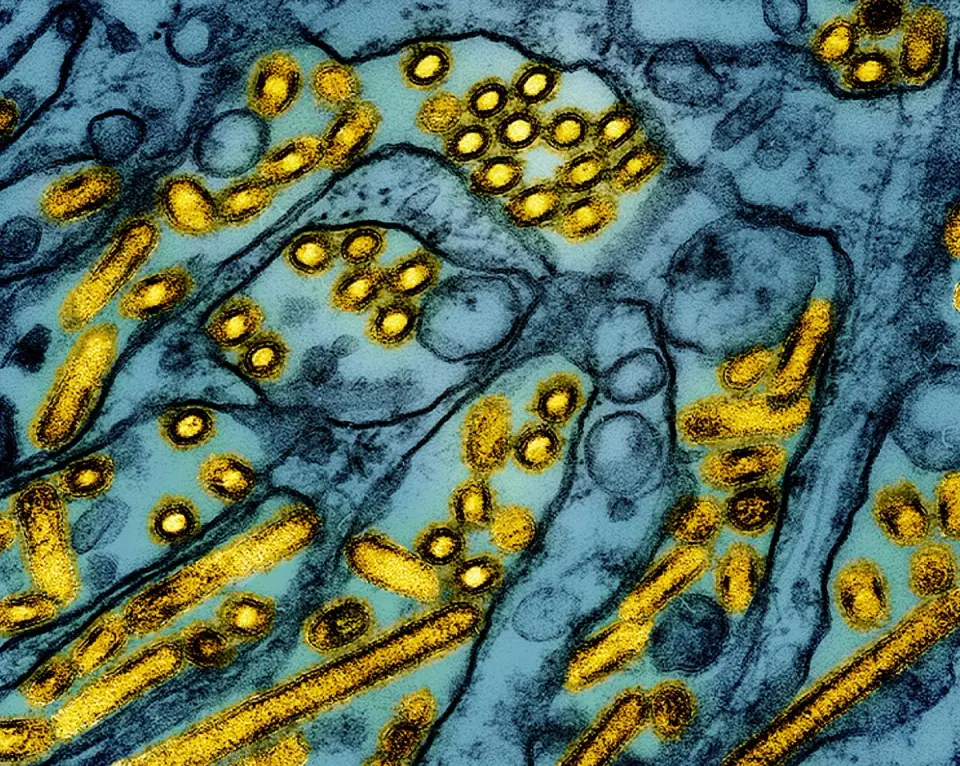
A resident of Yakima County, Washington, died from complications of H5N1 avian influenza, marking the first U.S. bird flu death in 2026. The individual had underlying health conditions and was exposed to infected dairy cattle. Health officials are monitoring close contacts, while the CDC confirms no person-to-person transmission and low risk for the general public.
Key points
- A Yakima County resident died on November 1, 2026, from H5N1 avian influenza, the first U.S. bird flu fatality in a year.
- The deceased had pre-existing health conditions and was exposed to the virus at a dairy with infected cattle.
- Yakima County officials reported 33 dairy herds testing positive for H5N1 and three human infections linked to dairy exposure.
- The CDC confirmed the virus strain from the fatal case showed no genetic changes that would increase transmissibility or severity.
- More than 70 human infections have been reported in the U.S. since 2024, but no person-to-person spread has been documented.
Background
This event follows two previous U.S. bird flu deaths since 2024: an elderly person in Louisiana in January 2025 (H5N1) and a Washington state resident in November 2025 (H5N5). The H5N1 strain has been spreading among wild birds, poultry, and livestock for several years, with public health concerns escalating in early 2024 when infections spread among U.S. cattle. Recent local coverage also noted the death of a famous bald eagle in California due to avian influenza, highlighting the virus's impact on wildlife.
Why it matters
The death underscores the ongoing risk for individuals with pre-existing conditions exposed to infected livestock, particularly dairy workers. While the general public risk remains low, the case reinforces the need for strict biosecurity measures and symptom monitoring in agricultural settings to prevent further human infections.
What to watch
The Yakima Health District is collaborating with the state health department to identify and monitor close contacts of the three confirmed human cases. Health officials continue to urge farm workers and those handling sick or dead birds to use respiratory and eye protection. The CDC will continue monitoring the virus for genetic changes that could alter its behavior.
Want the full story? Read the original reporting
Read on AP News