
Wearable Sleep Data May Worsen Anxiety, Not Improve Rest
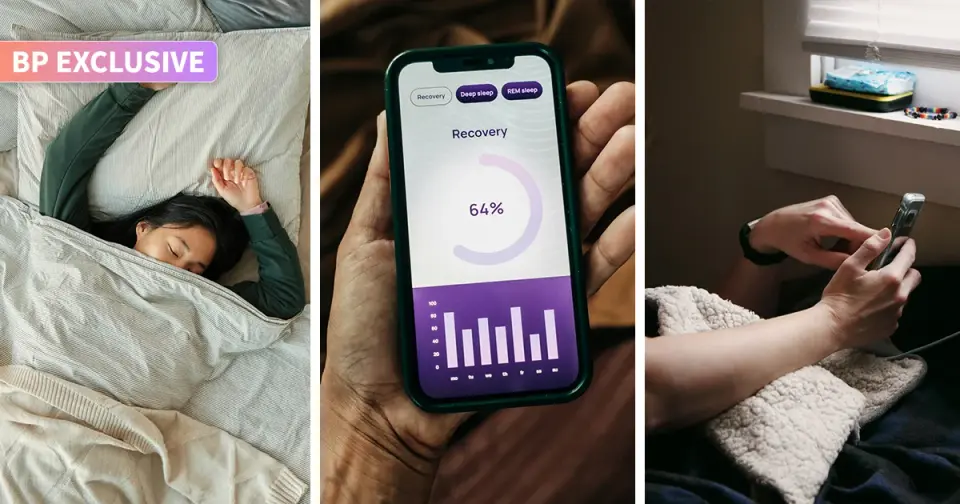
Consumer sleep trackers often misestimate sleep stages by over an hour compared to clinical tests, and the resulting anxiety can worsen sleep quality. Experts warn that obsessing over scores, known as orthosomnia, is counterproductive, while the sleep-tech market grows to $58 billion by 2030.
Key points
- A 2026 study found that Apple Watch, Fitbit, and Polar devices diverged from clinical polysomnography by more than 60 minutes in sleep stage estimates.
- The term 'orthosomnia' describes an unhealthy preoccupation with perfecting sleep data, which sleep clinics report is increasing patient anxiety.
- Experts advise using trackers for long-term trend monitoring rather than daily performance metrics, as sleep scores are not recognized in clinical science.
- The global sleep-tech market is projected to reach $58.21 billion by 2030, driven by the trend of 'sleepmaxxing' and consumer demand for optimization.
Background
Recent coverage has highlighted various sleep hygiene practices, such as proper head elevation for reflux and snoring, and the importance of recognizing early sleep disturbances linked to conditions like Parkinson's disease. These earlier discussions emphasize that while environmental adjustments and medical monitoring are critical, the focus is shifting toward the psychological impact of quantifying rest.
How outlets are covering it
Bored Panda highlights the inaccuracy of wearables, noting that a 2026 study showed significant gaps between device data and lab tests, with Fitbit overestimating light sleep by 57.7 minutes. The Conversation adds that while trackers are poor at staging sleep, they are useful for identifying long-term duration trends and can reduce subjective distress if used correctly. Macquarie University emphasizes the psychological harm of 'sleepmaxxing,' arguing that the pressure to optimize sleep can erode confidence in natural rest. Buffalo News focuses on specific hacks like mouth taping, which experts warn can be dangerous for those with sleep apnea, contrasting with the broader trend of optimizing sleep through various rituals.
Why it matters
As sleep technology becomes ubiquitous, the disconnect between device data and actual sleep quality can lead to unnecessary anxiety and poor health decisions. Understanding the limitations of wearables helps consumers avoid the trap of 'orthosomnia' and focus on sustainable sleep habits rather than chasing perfect metrics.
What to watch
Expect continued growth in the sleep-tech market, but also a rise in clinical warnings against over-reliance on wearable data. Researchers may develop better algorithms to bridge the gap between consumer devices and clinical standards, while public health campaigns may focus on reducing sleep-related anxiety.
- A Lab Tested The Apple Watch And Fitbit Against Real Sleep Science, And The Gap Ran Over An Hour Bored Panda
- Does your sleep tracker get it right? A Pittsburgh neuroscientist weighs in The Conversation
- Are we trying too hard to sleep? How ‘sleepmaxxing’ could be keeping us awake Macquarie University
- Mouth taping for better sleep? Why this trendy hack might hide a bigger problem Buffalo News
- Wrist-Worn Sleep Trackers May Mislead: Researchers Flag Statistical Cracks in Landmark Actigraphy Study Bioengineer.org
Want the full story? Read the original reporting
Read on Bored Panda