
1966 Palomares Crash: US B-52 Drops Four Nuclear Bombs in Spain, Triggering Decades-Long Health Disputes
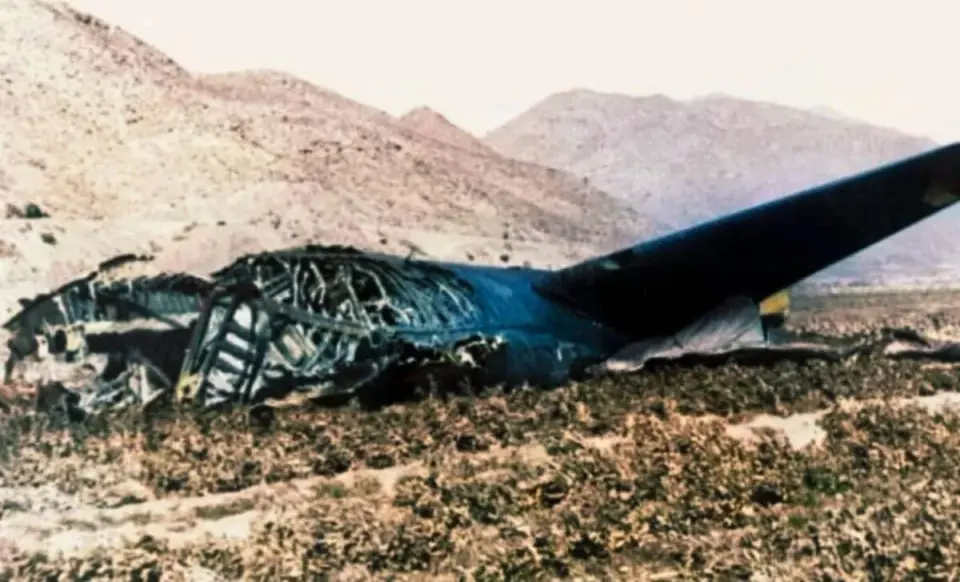
On January 17, 1966, a US B-52 bomber carrying four thermonuclear weapons broke apart mid-air over southern Spain during a refueling attempt, scattering the weapons across land and the Mediterranean. While three bombs landed near Palomares and one sank into the sea, the incident exposed severe gaps in safety protocols for cleanup crews. Decades later, veterans reported that they were sent into contaminated zones without protective gear or proper training, leading to long-term health issues that the Air Force initially dismissed as minimal risks.
Key points
- A mid-air collision between a B-52G and a KC-135 tanker caused the bomber to break apart, releasing four thermonuclear weapons over southern Spain.
- Three weapons landed near the village of Palomares, with two detonating conventional explosives and releasing plutonium, while the fourth sank into the Mediterranean.
- The US Navy deployed over 30 ships and the submersible Alvin to search for the missing bomb, recovering it 80 days later in April 1966.
- Cleanup crews, including non-specialists like musicians and cooks, were sent into contaminated areas without protective equipment or radiation training.
- Veterans later reported developing cancers and other illnesses, claiming they were misled about the safety of the cleanup operations.
- The incident led to the development of the FIDLER radiation detector, which was later used in the 1968 Thule Air Base crash in Greenland.
Background
The Palomares incident occurred during Operation Chrome Dome, a Strategic Air Command program that kept nuclear-armed bombers in the air for extended periods. The crash highlighted the risks of airborne nuclear alert and led to the development of new radiation detection tools. The incident also exposed the lack of safety protocols for cleanup crews, leading to long-term health disputes among veterans. The archive does not provide additional context on this specific event, but it does note Spain's recent challenges with border security and migrant surges, which are unrelated to the 1966 incident.
Why it matters
The Palomares incident remains a critical case study in nuclear safety and the long-term health impacts of radiation exposure. It exposed the gaps in safety protocols for cleanup crews and led to the development of new radiation detection tools. The incident also highlighted the risks of airborne nuclear alert and contributed to the end of Operation Chrome Dome. Today, the story serves as a reminder of the importance of proper safety protocols and the long-term consequences of nuclear accidents.
What to watch
The US Air Force and other military branches continue to review and update safety protocols for nuclear accidents and cleanup operations. The development of new radiation detection tools, such as the FIDLER, has improved the ability to survey and map contamination in emergency situations. Veterans and their families continue to seek recognition and compensation for illnesses they believe are linked to their cleanup work. The incident also serves as a cautionary tale for future nuclear accidents and the importance of proper safety protocols.
Want the full story? Read the original reporting
Read on The Daily Galaxy