
Historians Reveal the Ancient Practice of Biphasic Sleep
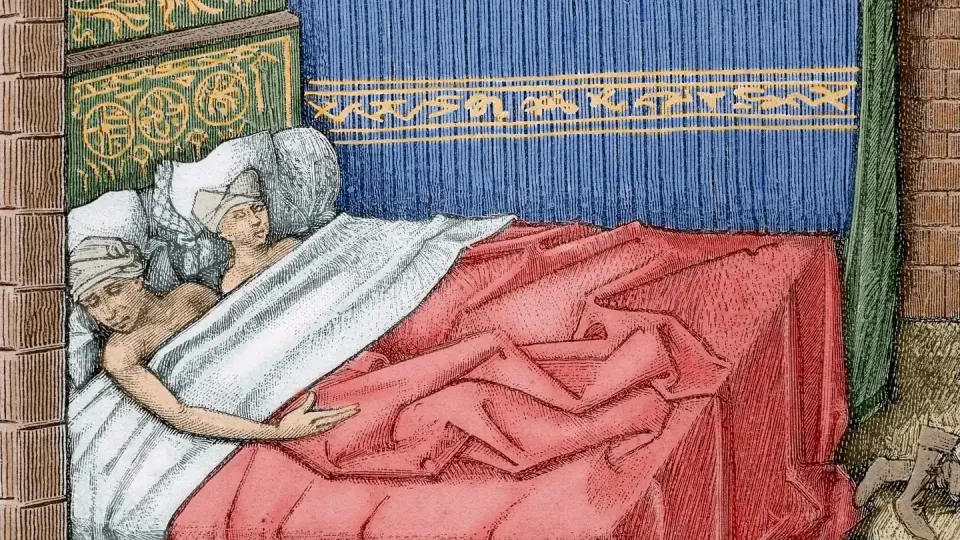
Historian Roger Ekirch argues that biphasic sleep, involving two distinct rest periods separated by a waking interval, was the standard human pattern for millennia before artificial lighting. This practice, documented in texts from ancient Greece to 17th-century England, allowed people to use the middle hours of the night for prayer, chores, or intimacy. Modern studies suggest that removing artificial light and clocks can cause humans to naturally revert to this two-part sleep cycle, indicating it is a biological default rather than a historical anomaly.
Key points
- Roger Ekirch identified the concept of 'first sleep' in a 1699 courtroom testimony involving a nine-year-old witness, Jane Rowth, which led him to research biphasic sleep patterns.
- References to two-part sleep appear in diverse historical sources, including Geoffrey Chaucer’s 'The Canterbury Tales', William Baldwin’s 'Beware the Cat', and works by Plutarch and Livy.
- The first sleep typically occurred between 9 and 11 p.m., followed by a waking period until 1 or 2 a.m., during which people engaged in prayer, chores, or conversation.
- Medieval sleeping arrangements often involved large groups sharing beds, with specific positions assigned to family members, though these beds were frequently infested with lice and fleas.
- The shift to uniphasic sleep is attributed to the rise of artificial lighting, which suppressed melatonin and allowed people to stay awake later, though modern experiments show humans can revert to biphasic sleep without artificial light.
Background
This topic stands in contrast to recent health news, such as Busy Philipps’ diagnosis of a brain tumor, which highlights the impact of modern medical interventions on sleep and health. Unlike the security-focused CISA reports on infrastructure breaches, this historical analysis focuses on biological and cultural shifts in daily life rather than technological vulnerabilities. The archive does not contain prior coverage of sleep history, making this a standalone historical insight.
Why it matters
Understanding biphasic sleep challenges the modern assumption that waking in the middle of the night is a disorder. It suggests that our current sleep patterns are a recent adaptation to artificial lighting, not a biological norm. This knowledge can help individuals reframe nighttime wakefulness as a potential opportunity for reflection or connection, rather than a source of anxiety, aligning with historical human behavior that valued the middle of the night for spiritual and social activities.
What to watch
Researchers may continue to study the biological effects of biphasic sleep in controlled environments without artificial light. Public interest in historical sleep practices may grow as people seek alternatives to modern sleep hygiene advice. There is no immediate policy or technological development expected, but the topic may influence wellness discussions regarding circadian rhythms and the impact of lighting on human biology.
Want the full story? Read the original reporting
Read on Mental Floss