
New research reveals ghosters often feel more guilt than their victims realize
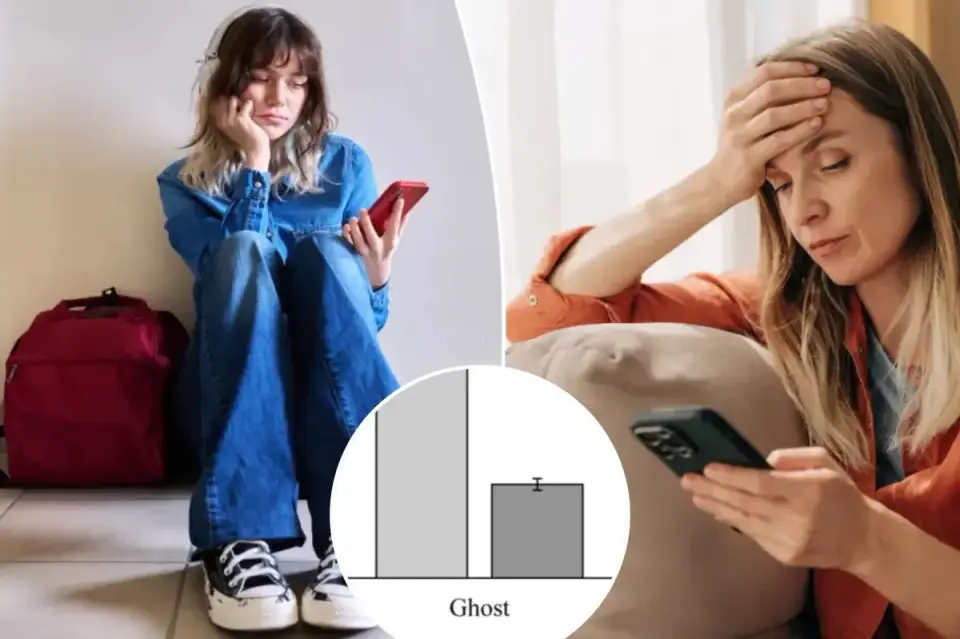
A new study published in the Personality and Social Psychology Bulletin indicates that people who 'ghost' others often experience significant guilt and distress, which their victims tend to underestimate. The research, led by scholars from UC Berkeley and Cambridge, suggests that a brief, polite message can significantly reduce the emotional misunderstanding between parties, offering a simple solution to a common digital communication problem.
Key points
- A joint study from UC Berkeley and the University of Cambridge found that 'ghosters' often feel worse about their silence than the people they ghost assume.
- In one experiment, ghosters reported feeling an average of 2.27 on a distress scale, while victims predicted the ghosters felt only 1.56.
- Sending a short message like 'sorry, can't talk' significantly narrowed the emotional gap and reduced the victim's tendency to blame themselves.
- The research highlights that ghosting is not always intentional; it can result from distraction or forgetfulness, which often causes more guilt for the person who stops responding.
- While the findings suggest ghosters feel remorse, experts caution that this does not excuse the behavior, as direct communication remains the kindest approach for all parties involved.
Background
Ghosting has become a prevalent issue in modern digital communication, with surveys suggesting that 75% of people have experienced being ghosted by a former partner. Previous research, including a 2022 study, had already noted that ghosters often feel guilty but also relieved, while victims feel sadness and hurt. This new study expands on those findings by examining the emotional gap between the two parties and testing the effectiveness of simple interventions to bridge that gap.
How outlets are covering it
The New York Post and HuffPost UK both emphasize the emotional toll on the 'ghoster,' noting that they often feel guilt and shame that the victim does not anticipate. The Times of India and PsyPost provide more detailed data from the study, highlighting specific score differences and the effectiveness of a brief message in reducing self-blame. While all sources agree that ghosters often feel worse than victims realize, HuffPost UK and the New York Post also include expert opinions that direct communication is ultimately kinder, suggesting that the guilt of the ghoster does not negate the pain of the victim. The Times of India and PsyPost note that the live experiment produced mixed results, with some participants not underestimating the ghoster's feelings, adding nuance to the overall findings.
Why it matters
Understanding the emotional dynamics of ghosting can help people navigate digital relationships with more empathy and clarity. The findings suggest that a simple, brief message can prevent misunderstandings and reduce the emotional distress for both parties, potentially leading to healthier communication habits in an era where online interactions are increasingly common.
What to watch
Researchers hope that these findings will encourage people to adopt simple intervention strategies, such as sending a brief message when they cannot respond immediately. This could help reduce the emotional misunderstanding and promote more effective and empathetic communication in everyday digital interactions.
- Hurt people hurt people: Studies show people who ‘ghost’ are worse off than their victims New York Post
- In Eye-Rolling News, People Who Ghost You DO Feel Guilty About It HuffPost UK
- People who ghost may feel worse about it than the person left waiting realises, new psychology study finds The Times of India
- Think People Who Ghost You Don’t Feel Guilty? Think Again IFLScience
- People who ghost tend to feel worse about it than the people they ghost realize PsyPost
Want the full story? Read the original reporting
Read on New York Post