
Alcohol Triggers Brain Immune Cells to Destroy Structural Support, Study Finds
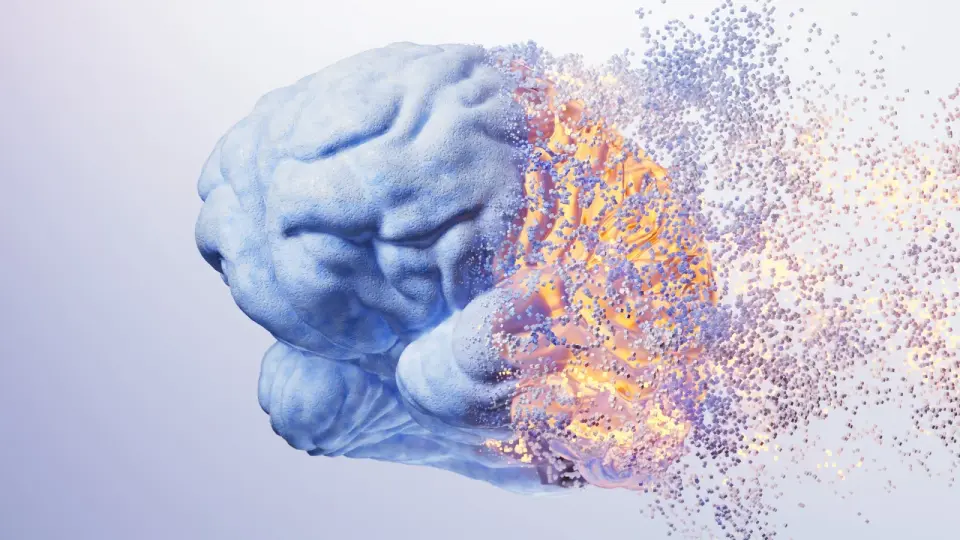
A Cleveland Clinic study reveals that alcohol causes brain damage by activating microglia to dismantle the extracellular matrix, a structural scaffold supporting neurons. This process, driven by the MyD88 protein, leads to sedation and neuronal loss, offering a new therapeutic target.
Key points
- Alcohol triggers microglia to retract branches and digest the extracellular matrix within one hour of exposure.
- Destruction of this matrix causes synaptic loss, sedation, and motor impairment, preceding peak intoxication.
- Genetically disabling the MyD88 protein in mice prevented matrix degradation and reduced alcohol-induced symptoms despite high blood alcohol levels.
- Post-mortem human brain tissue from individuals with alcohol use disorder showed similar extracellular matrix disruption, confirming the mechanism in humans.
Background
Recent research has increasingly highlighted the role of immune responses in neurodegeneration. For instance, a September 2026 study linked Alzheimer’s damage to peripheral immune signals, while another found that multiple sclerosis risk is tied to neuronal resilience rather than just immune cells. This new finding aligns with a broader shift away from viewing brain damage as solely a result of direct neuronal toxicity, emphasizing instead the active role of immune cells in dismantling brain structures.
How outlets are covering it
ScienceAlert and Neuroscience News both emphasize the speed of the reaction, noting that microglia changes occur within one hour of alcohol exposure, before sedation peaks. Neuroscience News highlights the permanent neuronal death in the frontal cortex after repeated binge cycles, a detail less emphasized by ScienceAlert. Chosunilbo provides a concrete dosage comparison, noting the mouse dose equates to over 10 drinks for men in two hours. All sources agree on the protective effect of disabling the MyD88 gene, but ScienceAlert and Latest News from Azerbaijan focus more on the potential for future therapies, while Chosunilbo stresses the immediate behavioral differences in mice with the gene disabled.
Why it matters
This discovery shifts the understanding of alcohol-induced brain damage from a direct neuronal effect to an immune-mediated structural collapse. Identifying MyD88 as a key driver offers a specific target for developing treatments that could protect the brain’s structural integrity, potentially reducing the severity of intoxication and long-term cognitive decline in individuals with alcohol use disorder.
What to watch
Researchers at the Cleveland Clinic are investigating methods to target microglia or protect the extracellular matrix to prevent brain damage. They are also exploring whether this same neuroimmune pathway is activated by other substances or neurological diseases, which could broaden the application of these findings beyond alcohol use disorder.
- Alcohol Doesn't Just Affect Neurons – It Triggers Immune Cells to Destroy The Brain's Structural Matrix, Mouse Study Shows ScienceAlert
- Alcohol and the brain interact through immune cells, new research shows Medical Xpress
- Alcohol Tricks Brain Cells Into Destroying Themselves Neuroscience News
- Alcohol Exposure Turns Brain Immune Cells Destructive 조선일보
- Scientists discover how heavy alcohol use damages the brain Latest news from Azerbaijan
Want the full story? Read the original reporting
Read on ScienceAlert