
Philadelphia Engineer’s Raw Buffalo Brain Diet Highlights Rise of Dark Nutrition
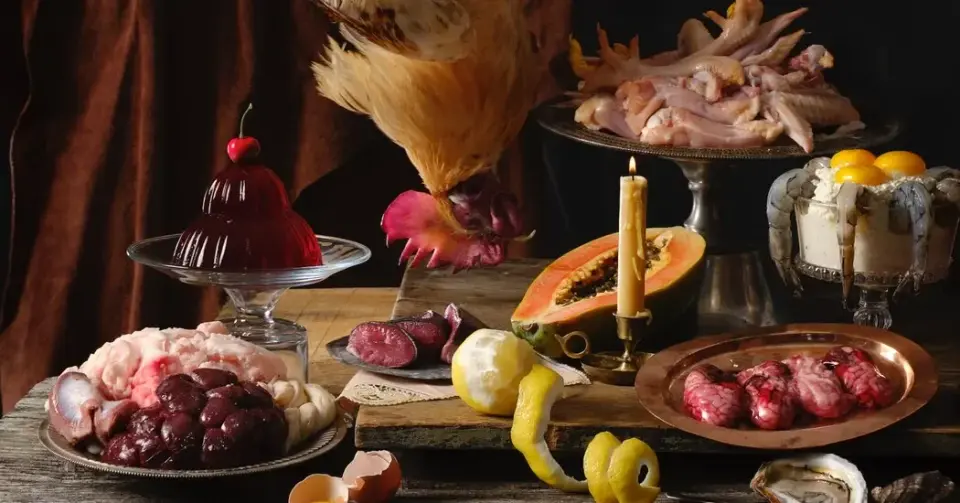
Kelly Pi, a 30-year-old electrical engineer from the Philadelphia suburbs, drives to an Amish farm in southeastern Pennsylvania several times a month to purchase hormone-free, vaccine-free, and corn-free meat and dairy. Her recent haul included raw buffalo brains, which she consumed on the spot in the farm's parking lot, describing the taste as excellent. This anecdote illustrates the growing trend of 'dark nutrition,' where consumers seek out unconventional, raw animal products from specialized organic sources.
Key points
- Kelly Pi, an electrical engineer, sources raw meat and dairy from Amos Miller Organic Farm in southeastern Pennsylvania.
- She recently purchased and consumed raw buffalo brains, noting the presence of skull fragments in the tissue.
- The farm provides products free from hormones, vaccines, corn, and soy, catering to a niche market.
- Pi's shopping list included beef, colostrum, raw-milk ice cream, and kefir water alongside the brains.
- The article highlights the 'dark nutrition' movement, characterized by the consumption of raw, unconventional animal parts.
Background
This story follows a broader trend of alternative dietary practices gaining visibility in media, distinct from recent political or security developments. While previous coverage focused on geopolitical tensions, literary releases, and viral political figures, this piece shifts focus to lifestyle and consumer behavior. It does not relate to the Latvian arrests at RAF Molesworth, Stephen King's new novels, Brazil's election, or the viral trend surrounding Russian official Igor Chaika.
Why it matters
The rise of 'dark nutrition' reflects a segment of consumers prioritizing extreme purity and raw consumption over conventional food safety norms. This trend challenges standard dietary guidelines and highlights the willingness of certain demographics to seek out specialized, non-traditional food sources from rural organic farms, potentially influencing broader discussions on food safety, agricultural practices, and consumer autonomy.
What to watch
The article does not provide information on regulatory responses, health outcomes, or the broader market size of this niche. It remains unclear if this trend will expand beyond specific regions or if health authorities will issue warnings regarding the consumption of raw animal brains and other unconventional products.
Want the full story? Read the original reporting
Read on The New York Times