
Chickadees Face Winter Survival Crisis; Simple Water Strategy Offers Critical Aid
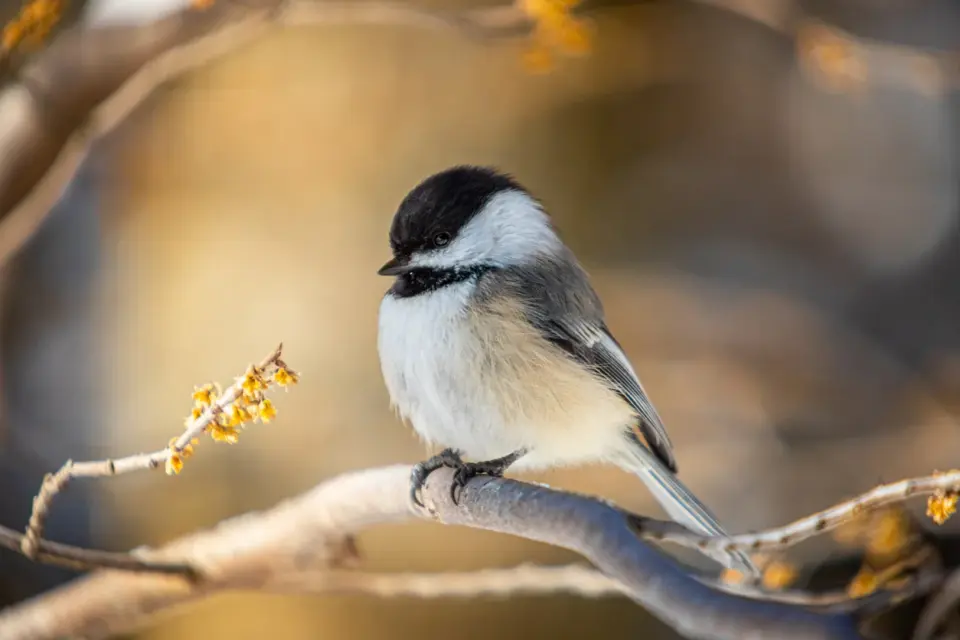
Chickadees, weighing roughly two quarters, struggle to survive winter nights due to limited fat reserves. While cold is rarely the direct cause of death, the inability to replace energy lost through shivering and regulated hypothermia is fatal. The primary threat arises when snow or ice covers natural food sources or freezes water, which birds need for drinking and feather maintenance. Providing unfrozen water is identified as the most effective intervention. This should be combined with high-energy foods like black-oil sunflower seeds and suet, as well as leaving nest boxes up for shelter. Establishing these resources in fall allows birds to map them before deep winter arrives.
Key points
- Chickadees survive freezing nights by fluffing feathers, shivering, and lowering body temperature, a process that consumes significant energy.
- The primary cause of winter mortality is not cold itself, but the failure to replenish energy reserves when food and water are inaccessible due to snow or ice.
- Water is critical for drinking and maintaining clean feathers, which are necessary for trapping warm air; frozen water sources can be lethal.
- The most effective aid is providing unfrozen water via heated birdbaths or daily refilling of shallow dishes, placed near shrubs for cover.
- Supplementing with high-energy foods such as black-oil sunflower seeds, suet, and unsalted peanuts helps birds rebuild fat reserves.
- Leaving nest boxes up during winter provides essential roosting shelter for multiple birds on freezing nights.
Background
This topic aligns with broader seasonal wildlife care trends, similar to recent advice on managing cold-season environmental impacts on health and comfort. While previous coverage focused on human health issues like nasal irritation during cold weather, this briefing addresses the parallel survival challenges faced by small birds in similar climatic conditions.
Why it matters
Understanding the specific physiological needs of small birds during winter allows for targeted conservation efforts. By addressing the root causes of energy depletion rather than just the presence of cold, individuals can significantly improve survival rates for vulnerable species. This knowledge empowers communities to implement simple, cost-effective measures that support local biodiversity during harsh seasons.
What to watch
Bird enthusiasts and conservationists are encouraged to prepare their gardens in the coming weeks by installing heated water sources and stocking high-energy feeders. Monitoring the usage of these resources will help determine the effectiveness of these interventions. Additionally, maintaining clean water and sheltered areas will be critical as temperatures drop further into the winter months.
Want the full story? Read the original reporting
Read on TheCoolist