
nature1.86 min read
Amsterdam Herons Turn Market Cleanup into Daily Buffet
2 hours ago•Source: BBC Wildlife Magazine

The latest nature stories, each synthesized from multiple sources with added background and context.
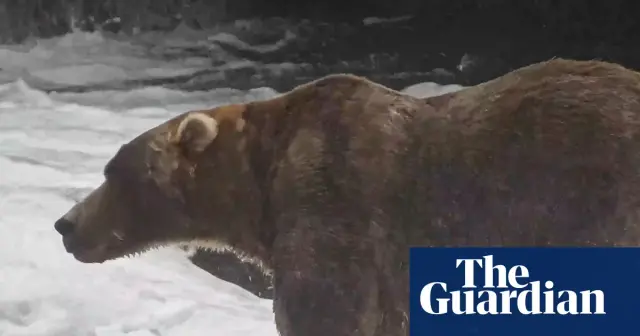
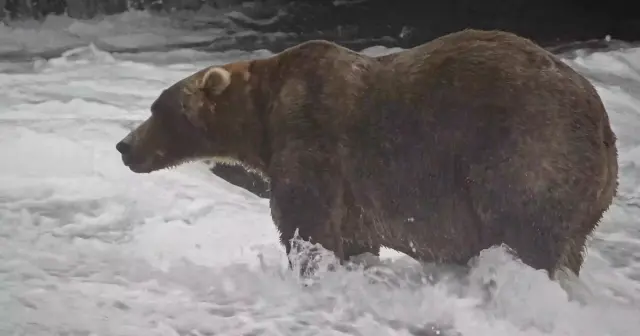
Brown bear 89, nicknamed 'Backpack,' won the 12th annual Fat Bear Week competition at Alaska’s Katmai National Park, defeating female bear 910 by approximately 5,000 votes. The contest, which celebrates bears gaining weight before hibernation, drew over 2.3 million global votes. Backpack, a 20-year-old male and son of 2019 champion Holly, is estimated to weigh 1,200 pounds. The event highlights the bears' resilience and preparation for winter, with all participants considered winners for their survival readiness.
NBC News•11 days ago
Alaska Public Media•17 days ago
Katmai National Park revealed the Fat Bear Week 2026 bracket on Sept. 18, kicking off the 12th edition slated for Sept. 22–29 (no voting Sept. 26–27). The online, single-elimination tournament features a diverse mix of bears at Brooks River—adult females, subadults and males—battling in head-to-head matchups, with fans voting to crown the fattest bear before winter; notable contenders include 32 Chunk (2025 champion), 164 Bucky Dent, and 151 Walker.
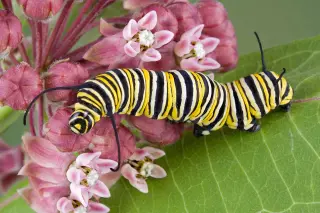
A viral timelapse video shows monarch caterpillars hanging in a J-shaped pose before shedding to reveal the green chrysalis, with the pupa stage lasting about 8–15 days as wing colors take shape and later emerge as adults. The monarch life cycle continues as females lay hundreds of eggs on milkweed, and backyard habitats with cameras let observers witness this remarkable metamorphosis up close.
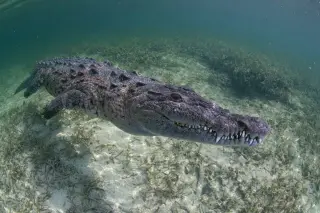
Florida's Everglades hosts eight dangerous predators—American alligator, American crocodile, Burmese python, eastern diamondback rattlesnake, cottonmouth, Florida panther, Florida black bear, and bull shark—each with unique hunting tactics and habitats; the piece outlines how they interact with humans and other wildlife, and notes conservation concerns for some species.
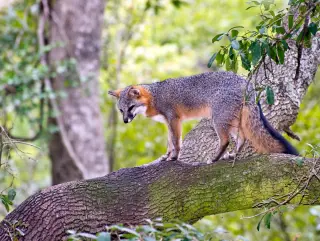
In the Sonoran Desert, the grey fox defies typical canid behavior by climbing trees with catlike grace, roosting in high cavities and even using skeleton trees as nightly social hubs, illustrating an ancient, highly adaptable lineage that shifts seasonally from fruits and insects to small prey while dodging threats from coyotes.
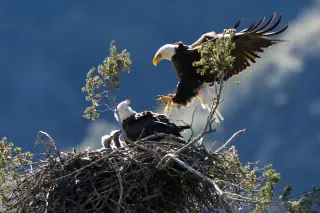
A pair of bald eagles in Florida built the largest known bird nest on record, spanning about 2.9 meters across, 6 meters deep and weighing more than 2 tonnes; these massive aeries are constructed high in trees near water, reinforced each breeding season, and can be used for decades by successive generations.
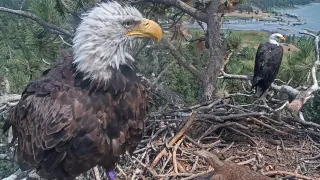
Following Jackie’s death, Shadow has been seen with a new potential mate, KD1 (Katie), in the Big Bear nest. The pair were observed spending time together, touching beaks and moving sticks, fueling hopes she could become his mate. Katie, born in 2022 in Orange County and banded as KD1, may be a candidate as fans cope with Jackie’s passing, though it’s unclear if they’ll mate this season, since California’s mating hormones typically rise in December–January and Big Bear hosts many visiting eagles during summer.
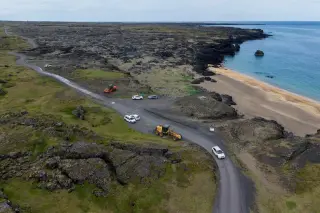
As Iceland readies for a total solar eclipse, Snæfellsnes expects up to 10,000 visitors; parking is the bottleneck, shuttle buses begin at 11 a.m., and park rangers will post updates as crowds arrive from cruise ships and other travelers.
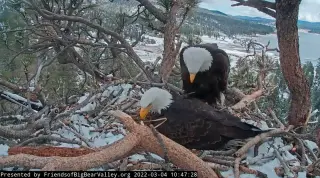
Jackie, the bald eagle whose nest saga with partner Shadow drew thousands online from atop a Jeffrey pine near Big Bear Lake in California, died after a mysterious illness caused severe anemia. Estimated to be about 14 years old, she was treated at the Ojai Raptor Center after an attack by two younger eagles, and she leaves behind a legacy of multiple hatchlings from years of care and public fascination with her mountain home.
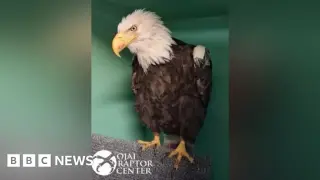
Jackie, the famous California bald eagle beloved by viewers of the Big Bear Valley nest cam, died after weeks of intensive care at the Ojai Raptor Center from anaemia and weight loss following an attack by other eagles; her mate Shadow and thousands of online followers mourn the loss of the wildlife star.
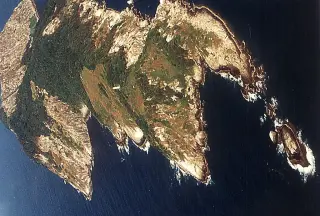
Ilha da Queimada Grande off Brazil hosts thousands of golden lancehead vipers on 43 hectares, making it one of the world’s deadliest wildlife sites. Access is restricted to scientists and the military; bites to humans are rare because the venom targets birds. The species is listed as Critically Endangered by the IUCN, with an estimated 2,000–4,000 snakes, and illegal pet trade contributes to its decline, with snakes selling for up to $30,000.