
Brain scans reveal that neighborhood poverty, not innate IQ, drives key neural differences
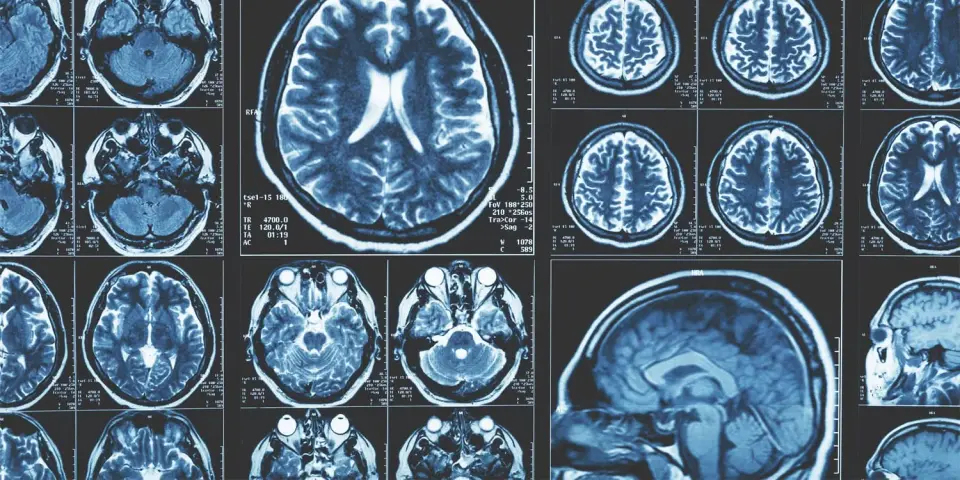
A new study challenges the idea that brain patterns linked to intelligence are biological, finding they actually reflect socioeconomic stress. Researchers analyzed data from thousands of children and adults, discovering that neighborhood deprivation is the strongest predictor of brain structure and function. This suggests that what was previously measured as IQ may be a proxy for environmental factors like sleep deprivation and stress, highlighting the need for policy changes to address health inequities.
Key points
- A study in Science found that socioeconomic status, particularly neighborhood zip code, is the strongest predictor of brain connectivity and cortical thickness in children.
- Brain patterns previously associated with IQ scores closely matched those linked to socioeconomic status, suggesting the former may be a proxy for environmental stress.
- When socioeconomic factors were statistically removed, the association between brain scans and IQ scores largely disappeared.
- A separate study in Radiology found that living in disadvantaged neighborhoods is linked to accelerated brain aging, reduced brain volume, and increased vascular damage in adults.
- Researchers emphasize that these findings are population-level and do not predict individual outcomes, but they highlight the need for interventions targeting sleep, stress, and resource access.
Background
Previous research often mapped single cognitive traits, like IQ, to brain imaging data to find biological signatures. This new body of work challenges that approach by examining a vast array of environmental and lifestyle variables simultaneously, revealing that socioeconomic factors have a more profound impact on brain development than previously thought.
How outlets are covering it
PsyPost and Neuroscience News both emphasize the direct link between socioeconomic disadvantage and measurable changes in brain structure and function, with the latter focusing on accelerated aging and vascular damage in adults. National Geographic, while not directly discussing IQ, highlights how neighborhood characteristics influence dementia risk, suggesting that environmental factors like access to services and social isolation are critical to long-term brain health. All three sources agree that socioeconomic status is a major, if not the primary, driver of brain differences, but they differ in their focus: PsyPost and Neuroscience News focus on the mechanism (stress, sleep), while National Geographic focuses on the outcome (dementia risk) and the role of modifiable risk factors.
Why it matters
These findings have significant implications for public health and education. If brain differences are largely driven by socioeconomic factors, then interventions focused on improving sleep, reducing stress, and increasing access to resources in under-resourced communities could have a profound impact on cognitive development and long-term brain health. This challenges the notion that IQ is a fixed, biological trait and suggests that policies addressing environmental inequities are crucial for improving population-level cognitive outcomes.
What to watch
Future research will likely focus on longitudinal studies to track how these developmental pathways change as children age. Researchers may also investigate whether interventions targeting sleep quality and stress reduction can positively influence brain development in under-resourced communities. Additionally, the use of neuroimaging metrics as biomarkers for structural inequity could help clinicians identify at-risk populations before cognitive decline manifests.
- What neuroscientists thought was a biological signature for IQ might actually be socioeconomic privilege PsyPost
- Your Neighborhood Could Influence Your Dementia Risk National Geographic
- Disadvantaged Neighborhoods Linked to Accelerated Brain Aging Neuroscience News
- Your Address Could Be Telling A Story About Your Brain health.yahoo.com
- Where you are born, live, and work can alter healthy brain cells ThePrint
Want the full story? Read the original reporting
Read on PsyPost