
Enhancing Long-Term Memory Storage in Mice: The Key Process Unveiled
TL;DR Summary
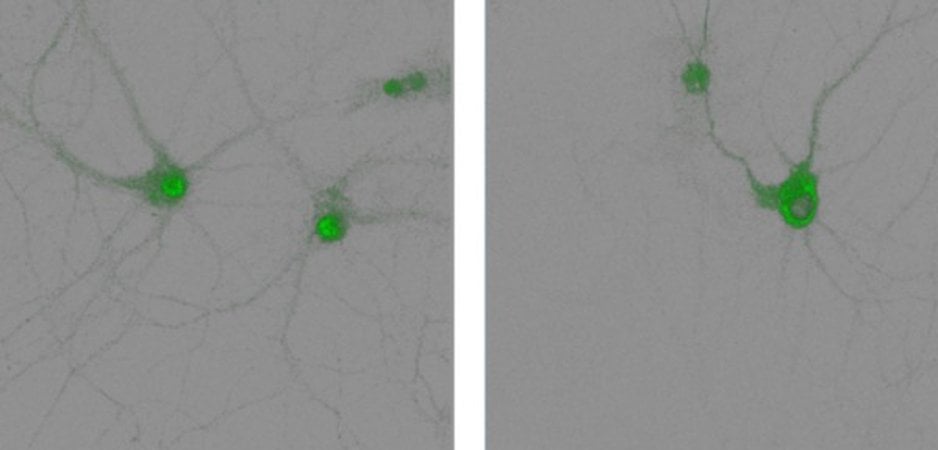
Researchers at UC Davis have identified a molecular process involving gene expression in neurons that plays a critical role in memory consolidation. The process involves the activation of beta-2 adrenergic receptors, which stimulate the export of an enzyme called phosphodiesterase 4D5 (PDE4D5). Lack of phosphorylation of the receptors leads to poor memory, but providing memory-impaired mice with a PDE4 inhibitor increased their ability to learn and retain memories. The study highlights the potential of PDE inhibitors in rescuing memory in Alzheimer's patients.
Topics:health#alzheimers-disease#gene-expression#memory-consolidation#neurons#neuroscience#phosphodiesterase
Reading Insights
Total Reads
0
Unique Readers
10
Time Saved
4 min
vs 5 min read
Condensed
91%
879 → 82 words
Want the full story? Read the original article
Read on Neuroscience News