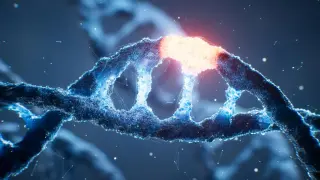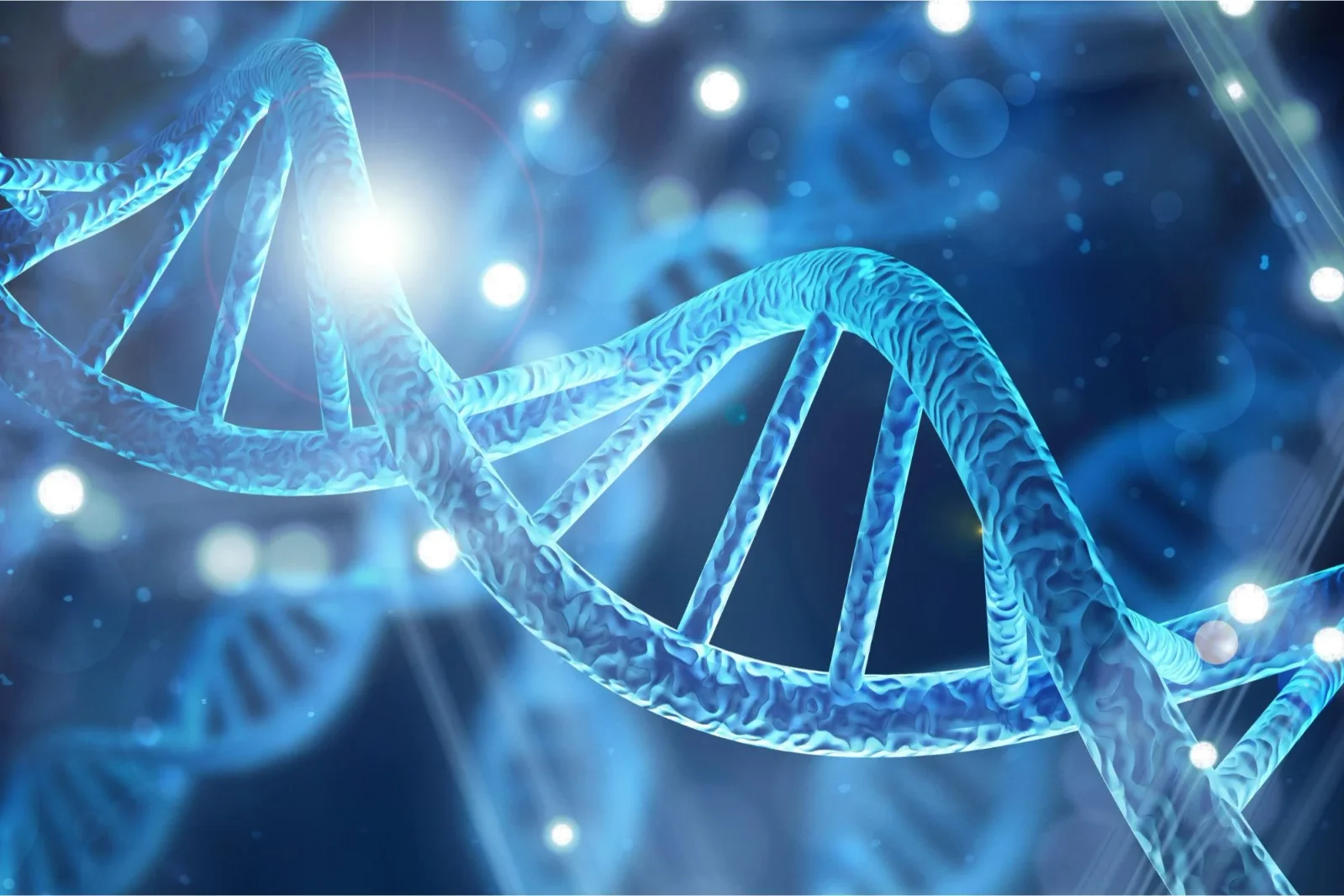
AI analyzed around 500,000 initiator variants to identify the DNA pattern that marks where genes begin; this initiator appears in roughly 60% of human genes, enabling predictions of how mutations affect gene activity and aiding the design of synthetic promoters to control gene expression.
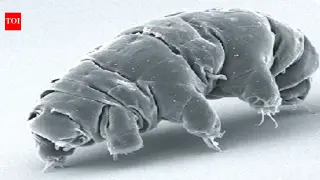
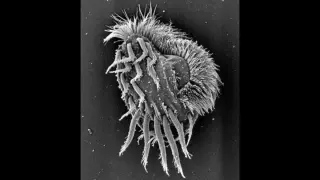
NASA sent hydrated tardigrades (Hypsibius exemplaris) to the International Space Station in 2021, cultured them for multiple generations in the Bioculture System, and tracked gene expression to see how spaceflight affects survival strategies and whether those traits are heritable, with implications for long-duration missions.
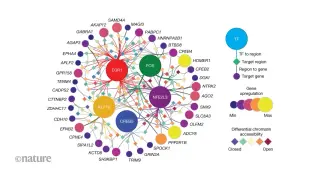
Electrical stimulation of the human temporal cortex activates neural networks and induces cell-type–specific gene programs, revealing gene-linked cell assemblies that could guide future stimulation-based therapies to slow cognitive decline.
A tapeworm parasite (Anomotaenia brevis) infects Temnothorax nylanderi ants via woodpecker droppings, causing infected workers to live up to ten times longer and be treated like queens by nestmates. The study reports queen-like changes in metabolism, immune function, and aging in the ants’ fat bodies, while brain signals don’t resemble the parasite’s peptides, suggesting the parasite influences host regulation rather than directly hijacking the brain. These findings, from gene-expression analyses of infected, uninfected, and queen ants, shed light on how infection alters physiology and social behavior; the lifecycle continues when birds ingest the infected ants.
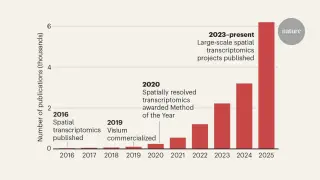
A News & Views piece reflecting on a decade of spatial transcriptomics, tracing how profiling gene expression with preserved tissue context began with the 2016 Science work by Ståhl and has evolved through academia–industry collaboration to map where genes are active in development and disease, reshaping our understanding of tissue biology.
Georgia Tech researchers found that exposing worker bumblebees to low doses of the insecticide sulfoxaflor caused significant changes in gene expression, especially in ovarian tissues, suggesting potential reproductive impairment and possible impacts on colony health and pollination-dependent crops; the study highlights the need for pest management that protects pollinators amid ongoing pesticide use.
Researchers delivered brief pacemaker-like electrical pulses to sea squirts, triggering an exercise-like surge in metabolism that improved stem cell activity, tissue growth, and even lifespan, with gene expression patterns resembling post-exercise responses; while promising, the findings are in a simple organism and their relevance to humans remains to be tested.
A study of 1,864 people with major depressive disorder and 1,208 controls found 1,383 genes with altered activity in white blood cells, including 18 synapse-related genes that reliably separated depressed individuals from healthy ones. Seven of these genes were also altered in mood-related brain regions, suggesting a systemic, body-wide link between depression and immune biology. The work is exploratory and does not establish causation, but points to potential blood-based biomarkers and new avenues for research and treatment targeting inflammation.
Researchers describe Euplotes gigatrox, a seawater ciliate from Curaçao, that occasionally forms rare “supergiant” cells roughly 140 μm long and cannibalizes nearby normal cells, then reverts to normal size within 24 hours. The transition appears tied to specific gene-expression programs and occurs after population growth slows and resources become scarce, suggesting a bet-hedging strategy and revealing surprising plasticity in single-celled organisms.
A gene-expression clock trained on tissue data from mice, rats, macaques, and humans can estimate biological aging and predict time to death in people, revealing conserved ageing patterns across species and offering a faster way to test anti-ageing interventions—though not yet for medical use.
New findings show daily grape consumption (three servings) for two weeks alters skin gene expression and lowers UV-induced oxidative stress, suggesting grapes act as a nutrigenomic 'superfood' that could bolster the skin’s protective barrier and potentially affect other tissues.
NASA’s Scott–Mark Kelly twin study found no DNA sequence changes from a 340‑day mission, but about 7% of Scott’s gene expression remained dysregulated six months after landing. Telomeres lengthened in space and then shortened to below baseline upon return. Cognitive performance stayed slower for months; immune function, DNA repair, bone formation, hypoxia response, and mitochondrial pathways were affected, and liver metabolism shifted, suggesting spaceflight perturbs an interconnected biological network with lasting effects for future long-duration missions.
A single-cell analysis of over a million brain cells from six cortical regions in 30 people found subtle but widespread sex differences in gene activity, with more than 100 genes showing consistent sex-related expression patterns. Sex accounts for less than 1% of overall gene-expression variation, but these molecular signatures could help explain why risks for conditions like schizophrenia and Alzheimer's differ by sex and how hormonal environments might modulate brain biology across life.
Scientists identified DHX29 as a key regulator that senses non-optimal codons during translation, binding to ribosomes decoding these codons and recruiting the GIGYF2•4EHP complex to suppress certain mRNAs. This reveals a second regulatory layer in the genetic code that links synonymous codon choice to gene expression and may influence development and disease.
A new study finds autism symptom severity, not diagnostic labels, maps to shared brain-network connectivity and gene-expression patterns linked to autism and ADHD, suggesting a common biology across neurodevelopmental conditions.