
Amygdala Size Linked to Political Views, But Threat Response Fails Replication
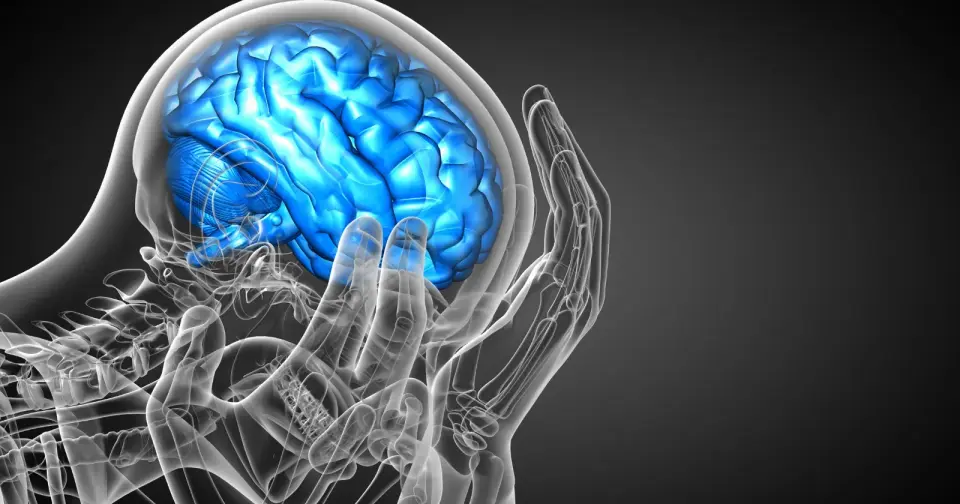
Research suggests a modest link between larger right amygdala volume and conservative political views, but evidence that this structure causes fear-based reactions to unfamiliar people is weak. While structural scans show a correlation, physiological threat responses have failed to replicate in larger studies. Familiarity, not brain size, appears to be the key factor in reducing prejudice and altering neural responses to others.
Key points
- A 2011 study by Ryota Kanai at University College London found that greater conservatism correlated with more grey matter in the right amygdala, while liberalism linked to the anterior cingulate cortex.
- A 2024 replication using 928 brains confirmed a small positive relationship between amygdala volume and conservatism, but the anterior cingulate finding did not survive.
- The amygdala functions as a 'significance detector' rather than a pure fear center; larger volume has also been linked to maintaining complex social networks, though recent replications show weak support for this.
- fMRI studies indicate that amygdala responses to out-group faces persist longer than in-group faces due to uneven habituation, but this does not equate to a character flaw or inherent closed-mindedness.
- A 2020 replication by Bert Bakker involving 635 participants found no support for the idea that physiological threat sensitivity (skin conductance, blink reflexes) correlates with political conservatism.
- Elizabeth Phelps' research shows that amygdala response to other-race faces tracks implicit bias, but this relationship disappears when participants are familiar with the faces, suggesting contact reduces prejudice.
Background
This topic follows earlier coverage on the amygdala's role in fear processing, such as the case of a woman with Urbach-Wiethe disease who lost fear due to bilateral amygdala damage but retained physiological arousal. That case highlighted that fear can be triggered via non-amygdala pathways, complicating the idea that the amygdala is the sole seat of threat perception. The current findings reinforce that while the amygdala flags novelty, its role in political or social discomfort is nuanced and heavily influenced by familiarity rather than fixed structural differences.
Why it matters
Understanding the biological underpinnings of discomfort with the unfamiliar helps explain why people avoid those who think or live differently. However, the evidence suggests this is not a fixed trait of closed-mindedness but a modifiable response. Since familiarity reduces neural reactivity to others, social contact remains a powerful tool for reducing prejudice, offering a practical path to overcoming instinctive avoidance behaviors.
What to watch
Researchers will likely continue to refine the understanding of how the amygdala processes social information, focusing on the role of habituation and familiarity. Future studies may explore interventions that leverage contact and exposure to reduce the 'significance' signal the amygdala assigns to unfamiliar groups, potentially mitigating prejudice at a neural level.
Want the full story? Read the original reporting
Read on Space Daily