
USDA Launches Massive Aerial Rabies Vaccination Campaign Across New England
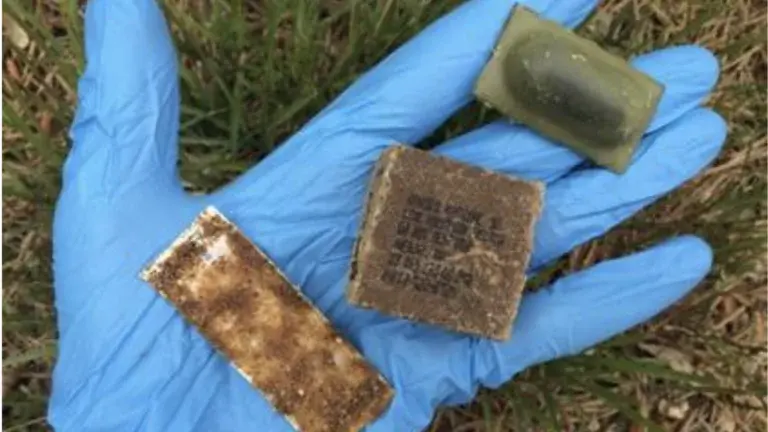
The U.S. Department of Agriculture is distributing millions of oral rabies vaccine baits across the eastern United States to halt the spread of raccoon rabies. Recent operations in New England include the deployment of 75,000 baits in Massachusetts and nearly 1.1 million across Vermont, New Hampshire, and New York. Officials emphasize that while the baits are safe for humans and pets, they should not be handled, and the program aims to create a biological barrier against westward viral spread.
Key points
- The USDA’s Animal and Plant Health Inspection Service is conducting an annual oral rabies vaccine (ORV) distribution across the Eastern U.S. to prevent raccoon rabies from spreading westward into the Midwest and West Coast.
- In Massachusetts, the Cape Cod project began in mid-September and will continue through mid-October, distributing 75,000 baits via helicopter, vehicle, and bait stations across peninsular and mainland areas.
- A separate operation covering northern Vermont, New Hampshire, and New York began on August 1, distributing approximately 1.1 million baits over a week. The Houlton, Maine project, which started August 12, distributed nearly 600,000 baits by August 24.
- The baits are packaged in two-inch plastic sachets coated with fishmeal or sweet flavoring. While safe for dogs and cats, consuming multiple baits may cause temporary stomach upset. Humans should not handle the baits but should wash contact areas with soap and water if touched.
- USDA officials plan to evaluate program effectiveness by trapping raccoons in target areas weeks after distribution to test blood samples for vaccine markers, with the long-term goal of eliminating raccoon rabies from the U.S.
Background
This campaign follows a series of recent rabies incidents in the Northeast, including a positive test in a Rutland, Vermont raccoon that led to a dog’s euthanization and three human treatments, and a rabid raccoon bite in Glassboro, New Jersey. Earlier in August, Vermont initiated aerial vaccination along its northern border in response to rising wildlife cases, with 66 rabies cases reported in the state in both 2024 and 2025. These events underscore the urgency of the USDA’s preventive measures.
How outlets are covering it
Boston.com focuses on the logistical details of the Massachusetts operation and public safety advice, noting that humans and animals cannot contract rabies from touching the bait. New Hampshire Public Radio highlights the scale of the multi-state effort, citing Rabies Field Coordinator Betsy Haley, who explains that vaccine density is based on raccoon populations and case numbers, and notes that 37 rabies cases have been reported in Vermont so far this year. RFD-TV provides a broader national perspective, with USDA’s Kathy Nelson explaining that the vaccination zone stretches from Lake Erie to Alabama to prevent the virus from reaching the West Coast, where increasing raccoon-human interactions pose greater risks.
Why it matters
Rabies is almost always fatal once symptoms appear, making preventive vaccination critical. The USDA’s efforts aim to reduce human exposure by creating a barrier of vaccinated wildlife, particularly in areas where raccoons are habituated to humans. Successful containment could prevent the virus from spreading into new regions, protecting both public health and domestic animals.
What to watch
The Massachusetts distribution will conclude in mid-October, followed by USDA evaluations through raccoon trapping and blood testing. Public health officials will continue to monitor rabies cases and advise residents on pet vaccination and wildlife avoidance. The program’s success may influence future expansion or adjustments in vaccination zones across the Eastern U.S.
- Those packets being dropped on the Cape from helicopters? They're rabies vaccines for raccoons. Boston.com
- USDA drops 1.1 million rabies baits over New Hampshire, Vermont and New York New Hampshire Public Radio
- MCHD to distribute 1,400 oral rabies vaccine baits in Morgantown WV News
- Raccoon Rabies Remains Focus of USDA Vaccination Effort RFD-TV
- Erie County to airdrop rabies vaccine baits in August-September effort WGRZ
Want the full story? Read the original reporting
Read on Boston.com