
Stalled progress: Why older pedestrians face rising fatality risks in US crashes
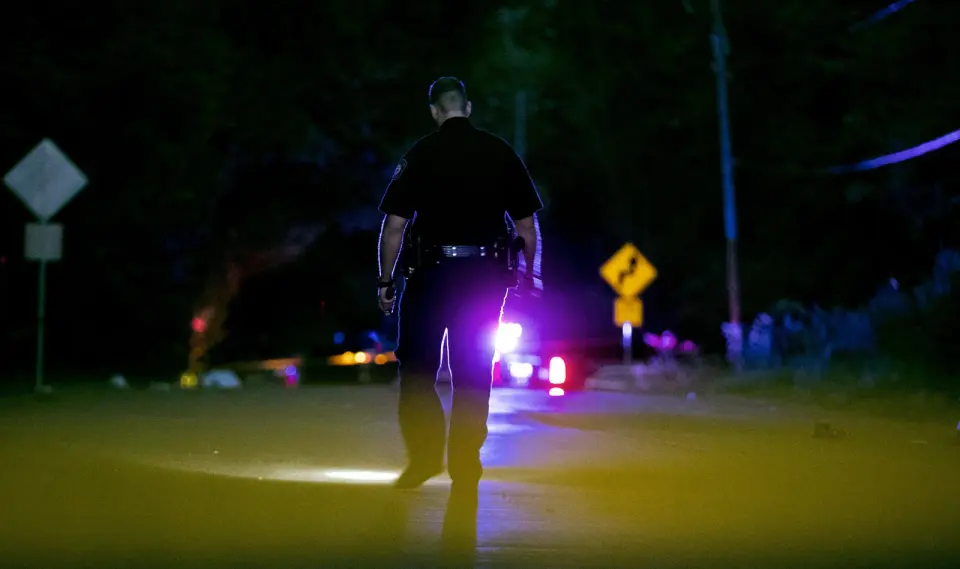
Older pedestrians are not hit by cars more often than younger ones, but they are significantly more likely to die from such collisions. In 2023, over 1,500 pedestrians aged 65 or older died, a rate that has remained stubbornly flat for nearly two decades despite overall declines in other age groups. Experts attribute this to physiological frailty, slower reaction times, and the increasing prevalence of large SUVs and unregulated e-bikes. While more seniors are walking for exercise, the lack of targeted infrastructure improvements near senior destinations exacerbates the danger. Public health officials argue that safety must be systemic rather than reliant on individual vigilance, citing the need for better street design, speed limits, and regulation of micromobility devices.
Key points
- In 2023, nearly 8,200 pedestrians over 65 were injured, and more than 1,500 died, according to National Highway Traffic Safety Administration data.
- The fatality rate for pedestrians aged 70 and older has remained flat from 2008 to 2024, unlike other age groups which saw declines.
- Older adults face higher risks due to slower movement, impaired senses, and greater physical frailty, making injuries like hip fractures potentially fatal.
- The rise of large SUVs and unregulated e-bikes, which saw injury rates increase by nearly 300% from 2019 to 2022, adds new dangers to the street environment.
- Alcohol is a significant but overlooked factor, with about one-third of adult pedestrians killed in nighttime crashes having high blood alcohol levels.
- More than 200 municipalities have adopted Vision Zero policies, focusing on infrastructure changes like pedestrian islands and improved signal timing to protect all users.
Background
Recent incidents, such as the fatal crash in Los Angeles involving a senior driver and the pedestrian fatality in Pennsylvania, highlight the ongoing risks for vulnerable road users. While these specific events involve different demographics, they underscore the broader issue of traffic safety in areas with high pedestrian activity. The current briefing expands on this by focusing specifically on the disproportionate fatality rates among older pedestrians, a demographic that is increasingly active outdoors but faces unique physiological and environmental challenges.
How outlets are covering it
The primary source, Daily Kos, emphasizes the systemic failures in traffic design and the physiological vulnerabilities of older adults, citing experts from Columbia University and NYU. It highlights the stagnation in fatality rates and the need for infrastructure changes. The secondary source, PressReader, is not a news article but a digital subscription platform page containing only technical code and navigation elements, offering no substantive content or perspective on the story. Therefore, the synthesis relies entirely on the detailed reporting from the primary source, which presents a comprehensive view of the issue through expert interviews and statistical data.
Why it matters
The stagnation in pedestrian fatality rates for older adults represents a significant public health crisis. As the population ages and more seniors engage in physical activity, the risk of fatal collisions increases. The lack of progress in reducing these deaths despite broader safety improvements suggests that current policies are not adequately addressing the specific needs of older pedestrians. Addressing this requires a shift from individual responsibility to systemic safety measures, including better regulation of new technologies like e-bikes and infrastructure changes that protect vulnerable users. Failure to act could result in continued preventable deaths and a decline in the quality of life for older adults.
What to watch
Cities and states are expected to continue implementing Vision Zero policies, focusing on infrastructure improvements and speed limits. There is growing pressure to regulate e-bikes and e-motos, which are increasingly dangerous to pedestrians. Public health officials may advocate for more targeted safety measures in areas with high densities of senior destinations, such as hospitals and community centers. Additionally, there may be increased attention to the role of alcohol in pedestrian fatalities, potentially leading to new public health campaigns or interventions. The long-term goal is to create a traffic system that is safe for all ages and capacities, reducing the reliance on individual vigilance.
Want the full story? Read the original reporting
Read on Daily Kos