
From Wreckage to Wonderland: The Transformation of Shipwrecks into Thriving Marine Habitats
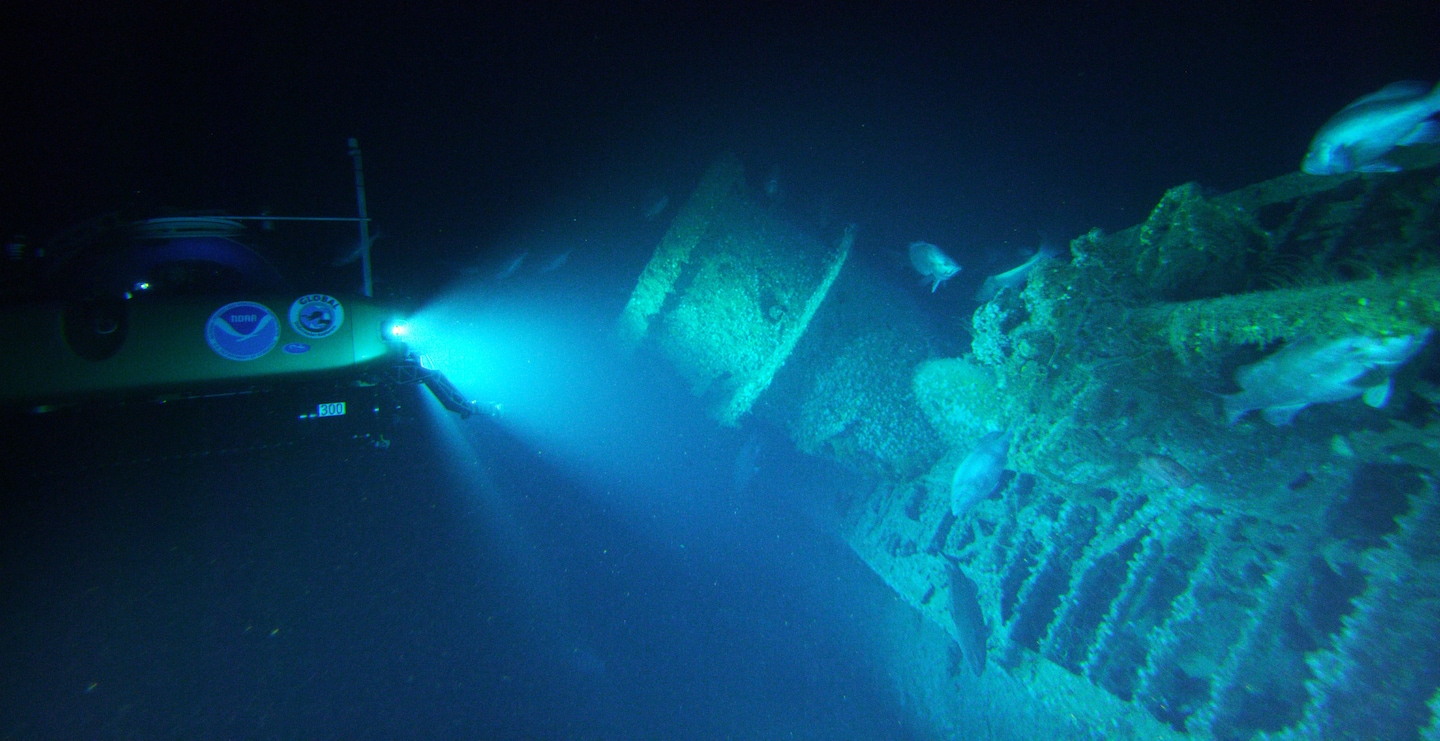
Shipwrecks serve as vibrant living seabed habitats, hosting diverse marine life from microscopic organisms to large predators. These "living shipwrecks" are characterized by colorful corals, sponges, and schools of fish, attracting sharks and other marine creatures. Shipwrecks also act as hot spots for biodiversity, providing temporary homes for animals and serving as steppingstones for migration. However, shipwrecks can also pose threats to underwater ecosystems by altering habitats, spreading pollutants, and facilitating the invasion of invasive species. Maximizing the discovery and understanding of shipwrecks requires collaboration between biologists, archaeologists, and engineers to conserve these historical and biological treasures.
Want the full story? Read the original reporting
Read on The Washington Post