
Koala Chlamydia Vaccine Efficacy Under Scrutiny Amid Data Dispute
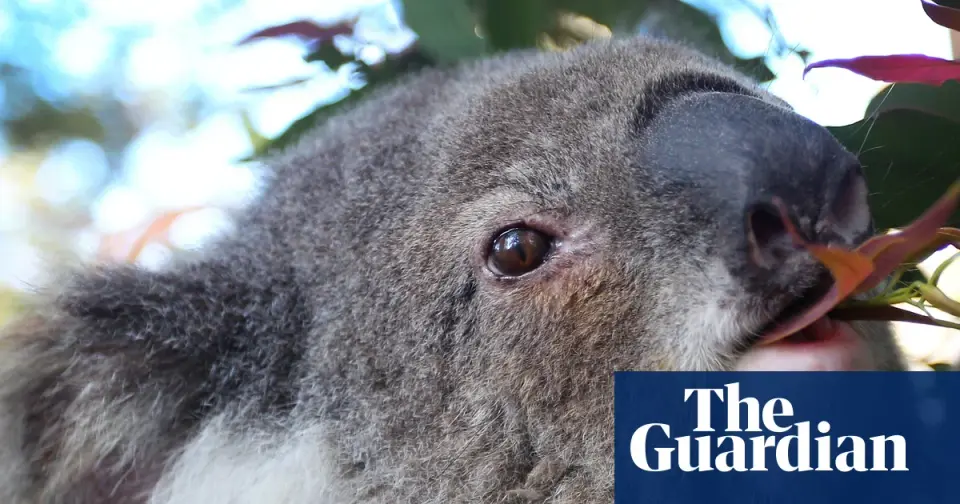
Koalas in eastern Australia face severe chlamydia outbreaks, with infection rates reaching 66% in some areas. While two vaccines are in development, efficacy remains debated. One vaccine was approved in 2025 but faces criticism over data errors, while another is being trialed via a biodegradable implant. Antibiotics are risky due to gut microbiome disruption, making vaccines the primary hope for saving the endangered species.
Key points
- Chlamydia pecorum is the leading cause of koala decline, causing infertility, blindness, and emaciation, with prevalence up to 66% in northern populations.
- Antibiotic treatment is hazardous because it disrupts gut microbes essential for digesting eucalyptus, potentially leading to fatal dysbiosis.
- A single-dose vaccine from the University of the Sunshine Coast was approved by the APVMA in September 2025, but its efficacy is contested due to a data analysis error.
- A second vaccine from Queensland University of Technology uses a biodegradable implant for a two-dose regimen, currently in wild trials without placebo controls.
- A randomized controlled trial in NSW found the approved vaccine stimulated an immune response but did not significantly reduce disease incidence or mortality.
Background
Koalas have been listed as endangered in Queensland, New South Wales, and the Australian Capital Territory since 2022. This follows broader concerns about wildlife conservation in Australia, where other species face threats from habitat loss and disease. The current debate mirrors previous controversies over vaccine efficacy and regulatory oversight, such as those seen in human medicine, highlighting the complexity of developing treatments for wildlife with unique physiological needs.
Why it matters
The efficacy of these vaccines is critical for the survival of the koala, an iconic species facing multiple existential threats. If the approved vaccine fails to reduce mortality, conservation efforts may need to shift toward other management strategies or improved formulations. The dispute also raises questions about regulatory standards for wildlife medicines and the ethical balance between treating sick animals and conducting rigorous scientific trials.
What to watch
The APVMA will review new scientific evidence regarding the approved vaccine's efficacy. The QUT team will continue trialing the implant-based vaccine in the wild. Researchers are expected to publish further studies to clarify the long-term impact of vaccination on koala populations, potentially leading to revised recommendations for veterinary use.
Want the full story? Read the original reporting
Read on The Guardian