
Acorn Harvests, Not Deer Populations, Better Predict Lyme Disease Risk
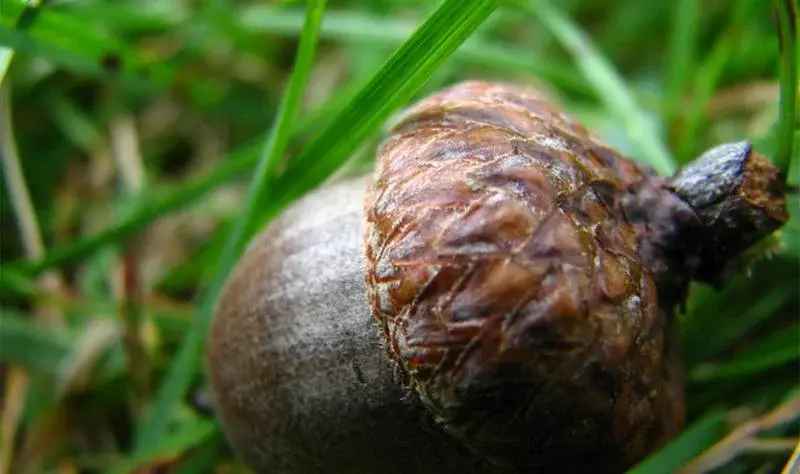
A 30-year study in New York’s Hudson Valley reveals that acorn abundance, not deer populations, is the strongest predictor of Lyme disease risk. White-footed mice, which thrive on acorns, drive tick numbers, while other animals dilute infection rates. Extreme temperatures do not significantly reduce tick survival, challenging previous climate assumptions.
Key points
- Deer abundance showed no correlation with nymphal tick density, debunking the traditional 'more deer equals more ticks' theory.
- White-footed mouse populations strongly predict tick numbers, with a 40% increase in nymphs following high mouse years.
- Acorn drops from red oaks serve as a leading indicator for Lyme risk by boosting mouse populations two years prior.
- Infection rates depend on host diversity; skunks and squirrels, which are poor transmitters, lower the proportion of infected ticks.
- Ticks survive extreme heat and cold by burrowing into soil, meaning warmer climates may not increase tick density as expected.
Background
Lyme disease remains the most common vector-borne illness in the U.S., with over 450,000 annual cases. Recent coverage has highlighted expanding tick habitats due to climate change and land-use shifts, as well as emerging concerns about alpha-gal syndrome. This study provides a new ecological framework for predicting risk, moving beyond simple host abundance metrics.
How outlets are covering it
CIDRAP and the Hays Post (via Stateline) emphasize the study’s challenge to conventional wisdom, highlighting that mice, not deer, are the primary drivers of tick abundance. The Vermont Daily Chronicle notes that while the mouse-tick link is not new, the specific mechanism involving acorns and host diversity is a significant refinement. All sources agree that the 30-year dataset from the Cary Institute of Ecosystem Studies is rare and valuable for understanding long-term ecological trends. The Hays Post additionally connects these findings to the broader spread of lone star ticks and alpha-gal syndrome, while the Vermont Daily Chronicle contextualizes the findings within Vermont’s high Lyme incidence rates.
Why it matters
Understanding the true drivers of Lyme disease risk allows public health officials to better anticipate high-risk seasons and implement targeted prevention strategies. By focusing on acorn yields and mouse populations rather than deer, communities can improve early warning systems and reduce the burden of this debilitating disease.
What to watch
Researchers plan to continue monitoring the interactions between ticks, wildlife, trees, and climate to refine predictive models. Public health officials may use these findings to adjust surveillance and education efforts, particularly in regions with abundant oak trees. The study also informs ongoing debates about managing host populations to control disease transmission.
- Want to predict Lyme disease risk? Count the acorns, not the deer CIDRAP
- Mice may drive Lyme disease more than deer Hays Post
- 35-year monitoring study clarifies ecological forces behind Lyme disease risk phys.org
- 35-Year Study Overturns Assumptions About What Drives Lyme Disease Labcompare
- Mice may drive Lyme disease Vermont Daily Chronicle
Want the full story? Read the original reporting
Read on CIDRAP