
UCSF researchers map 1,800 autism-linked protein interactions to unlock new drug targets
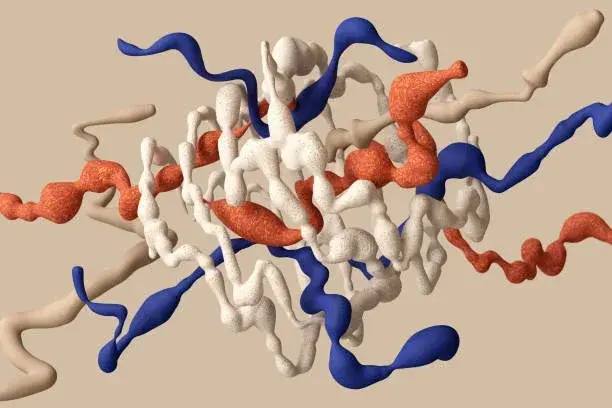
A team at the University of California, San Francisco (UCSF) has published the largest molecular map of autism to date, identifying over 1,800 protein-protein interactions linked to 100 risk genes. By using Google’s AlphaFold AI and lab-grown brain organoids, researchers found that 87% of these interactions were previously unknown. This approach shifts focus from individual genetic mutations to shared protein pathways, offering a potential blueprint for developing targeted therapies, particularly for the 30% of cases classified as profound autism.
Key points
- The study, published in Science on August 27, utilized 100 autism risk genes to identify 1,800 protein interactions, with 87% being novel discoveries.
- Researchers employed AlphaFold to predict 3D protein structures and validated findings in human organoid models, such as the interaction between FOXP1 and FOXP4 mutations.
- The map identifies shared biological pathways across diverse genetic mutations, suggesting that a single therapeutic target could address multiple genetic causes of autism.
- UCSF director Nevan Krogan is in discussions with major pharmaceutical companies to commercialize a drug discovery platform based on these protein interaction insights.
- The findings are most directly applicable to profound autism, which affects approximately 30% of the spectrum and often requires 24-hour care.
Background
This development follows earlier coverage in August 2026 that highlighted the creation of this 'wiring map' as a significant shift from gene-by-gene targeting to a systems-level view of autism biology. While previous reports noted the potential for stabilizing disrupted protein complexes, the current sources provide further detail on the commercialization efforts and the specific validation of the FOXP1/FOXP4 interaction in organoid models.
How outlets are covering it
While both Fierce Biotech and CNN agree on the scientific breakthrough and the potential for new therapies, they emphasize different aspects of the story. Fierce Biotech focuses heavily on the commercial implications, noting that Krogan is in 'deep talks' with Big Pharma to launch a new company and that the study challenges current drug discovery methods that ignore protein interaction data. CNN, conversely, places greater emphasis on the broader scientific and advocacy context, including the reaction from the Autism Science Foundation, which called the study a 'watershed moment.' CNN also highlights the political context, noting concerns from some advocates that the new federal autism research plan might prioritize unproven vaccine links over the genetic and biological evidence presented in this study. Additionally, CNN includes caution from Autism Speaks that translating these findings into clinical therapies will be a lengthy process, a point less emphasized in the Fierce Biotech report.
Why it matters
This research provides a potential solution to the long-standing challenge of treating autism, which is associated with over 250 genes. By mapping how these genes converge on shared protein pathways, scientists may be able to develop a smaller number of drugs that target the underlying biology rather than individual symptoms. This could lead to the first-ever treatments that address the root causes of the disorder, particularly for the most severe cases.
What to watch
Krogan and his team are currently running three programs to develop potential therapies based on these insights. The next steps involve translating these molecular maps into drug candidates and testing them for safety and effectiveness. Additionally, the Interagency Autism Coordinating Committee is set to vote on a new national strategic plan for autism research, which will determine the direction of federal funding for this type of biological research.
- Research into protein interactions sheds new light on causes of autism Fierce Biotech
- Largest ever ‘map’ of autism may hold clues for new targeted therapies CNN
- A Study of Brain Proteins Offers New Targets to Treat Autism The New York Times
- UCSF gets $46 million autism research grant from Sergey Brin-backed foundation San Francisco Chronicle
- Largest ever molecular map of autism opens new paths to precision therapies Medical Xpress
Want the full story? Read the original reporting
Read on Fierce Biotech