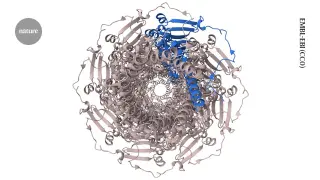
GPT-6.2 and Claude show early protein design skills, but specialists still lead
General-purpose AI models are beginning to match specialized tools in protein biology, but they still rely on niche software for key steps.

All articles tagged with #alphafold
General-purpose AI models are beginning to match specialized tools in protein biology, but they still rely on niche software for key steps.
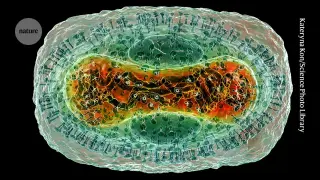
The AlphaFold Protein Structure Database has added over 8,000 predicted structures for viral protein dimers, covering 23 virus families that infect humans. This expansion, part of a new pandemic preparedness portal, aims to provide researchers with 3D models of viral interactions to accelerate drug and vaccine development. The initiative involved global collaborations, including Nvidia and Google DeepMind, and addresses a previous gap in the database where viral proteins were often poorly represented due to complex genetic sequences.
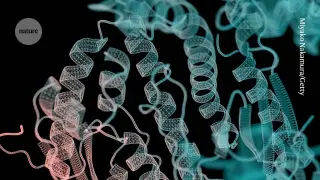
A consortium of pharmaceutical companies demonstrated that training AI models on proprietary protein data significantly outperforms models using only public datasets. By fine-tuning an open-source version of AlphaFold 3 on over 20,000 private structures, the group achieved higher accuracy in predicting protein-drug interactions. While the results are promising, the model remains private and unpeer-reviewed, highlighting the gap between public data limitations and private industry capabilities.
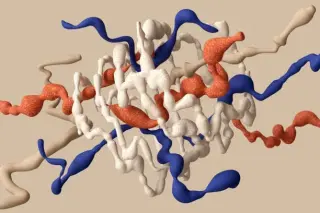
A team at the University of California, San Francisco (UCSF) has published the largest molecular map of autism to date, identifying over 1,800 protein-protein interactions linked to 100 risk genes. By using Google’s AlphaFold AI and lab-grown brain organoids, researchers found that 87% of these interactions were previously unknown. This approach shifts focus from individual genetic mutations to shared protein pathways, offering a potential blueprint for developing targeted therapies, particularly for the 30% of cases classified as profound autism.
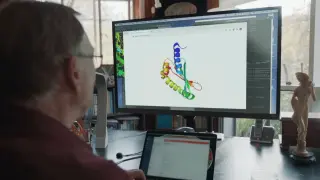
Google DeepMind has dismantled its Nobel Prize-winning AlphaFold team, reassigning most staff to Gemini-focused projects or Isomorphic Labs. This strategic shift prioritizes large language models over dedicated scientific AI, though the AlphaFold database remains publicly accessible.

Google DeepMind has effectively dismantled its Nobel Prize-winning AlphaFold team, reassigning key researchers to Gemini-focused projects or other Alphabet units. This strategic pivot marks a shift from dedicated scientific breakthroughs toward building frontier AI agents, intensifying competition with rivals like Anthropic and OpenAI.

DeepMind’s AlphaFold2 transformed structural biology by predicting the 3D shapes of nearly 200 million proteins in minutes, a task that previously took years of experimental work. The resulting database, free to all, has been used by over three million researchers globally, though its successor, AlphaFold 3, has restricted commercial access.
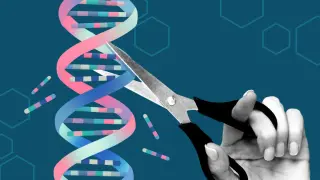
Researchers used AlphaFold to map Cas9’s interactions with on- and off-target DNA and pinpoint amino acids responsible for mispairing. By swapping 23 residues at 10 key positions, they produced Cas9 variants with substantially lower off-target editing (down from 28% to 5%) without sacrificing on-target activity, demonstrating a general approach to tailor gene-editing tools and potentially guide broader protein-DNA engineering.

John Jumper, Nobel Prize co-winner for AlphaFold with Demis Hassabis, is leaving Google DeepMind to join Anthropic in a move that underscores the ongoing talent shift toward AI startups. Jumper led AlphaFold, the protein-folding AI that now provides hundreds of millions of predicted structures and has accelerated biomedical research; Hassabis praised the lasting legacy of his work. Jumper says he’s taking time to recharge and has not yet disclosed his exact role at Anthropic amid a broader wave of top researchers moving to AI firms ahead of IPOs.

Vertu unveils AlphaFold, its first book-style foldable that uses an on-device Hermes AI agent to review documents, orchestrate 70+ apps, and run dashboards, with 24/7 concierge service and satellite connectivity. Available in ultra-premium materials (leather, alligator, gold and diamonds) at prices from about $6,880 up to $34,200, plus security features like an A5 chip and human-approval safeguards. The device pairs premium hardware (65W fast charging, 6,500mAh battery, three rear cameras) with a titanium/liquid-metal hinge and optional luxury finishes, and is now purchasable after its initial preorder.
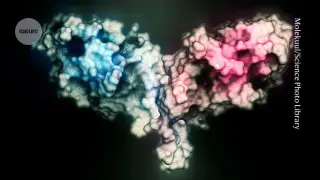
An open-access atlas called the ESM Atlas, generated with the ESMFold2 AI model, predicts about 1.1 billion protein structures and 6.8 billion sequences, outperforming AlphaFold in scale and openness and enabling new biology discoveries through a freely available resource.
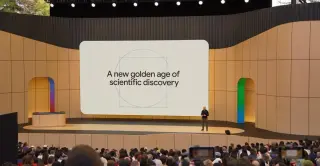
A Verge columnist argues that Demis Hassabis’ claim to 'solve all diseases' at Google I/O needs context: AI like Gemini for Science and AlphaFold can speed research, but real breakthroughs require long timelines, robust validation, and careful communication to avoid hype and misinformation.
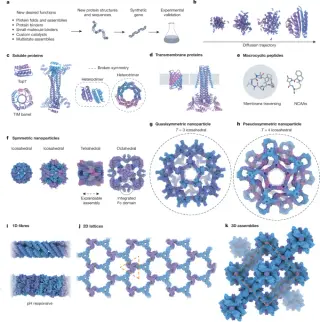
Nature’s review surveys the state of de novo protein design, outlining a shift from random screening to intentional computational design powered by deep-learning tools (RFdiffusion) and robust structure prediction (AlphaFold), with progress in novel folds, symmetric assemblies, and high-affinity binders as well as enzymes and small-molecule binders. It also notes ongoing challenges in catalysis, switches, and nanomachines, emphasizing that open-source methods like RFdiffusion and ProteinMPNN, together with accurate predictors, now enable broad exploration of design space. The outlook is optimistic: over the next five to ten years we may see sophisticated protein nanomachines and materials with wide applications in medicine, technology and sustainability, driven by where to design rather than how to design.
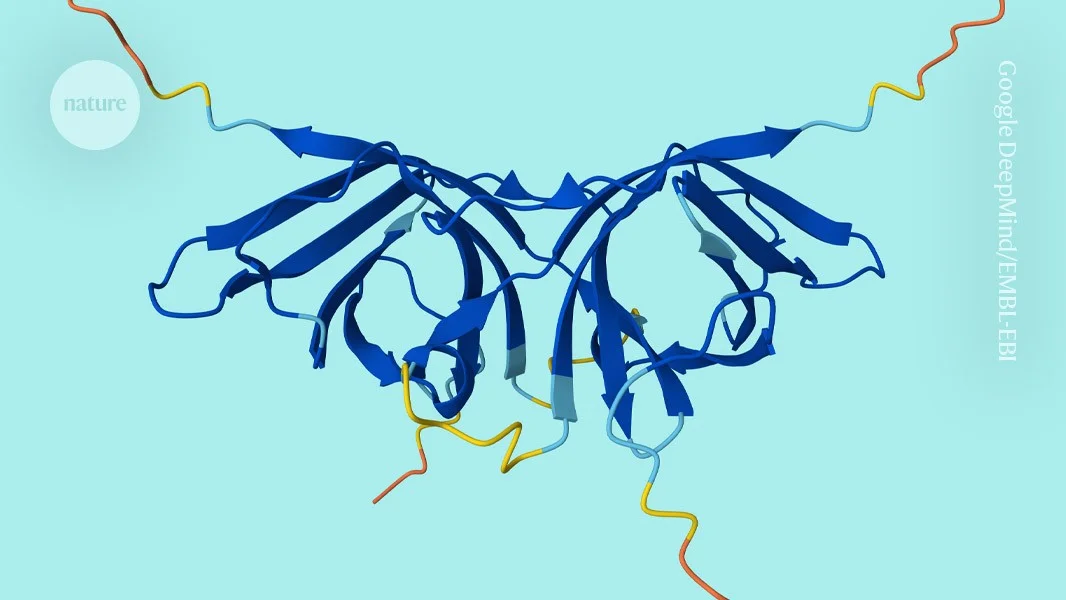
AlphaFold’s database now includes 1.7 million predicted homodimer protein complexes, expanding its 200 million monomer structures to show how two copies of the same protein interact. The complex predictions were produced by a international consortium and are freely accessible via EMBL-EBI, broadening the resource’s biological and medical relevance across 20 studied species.
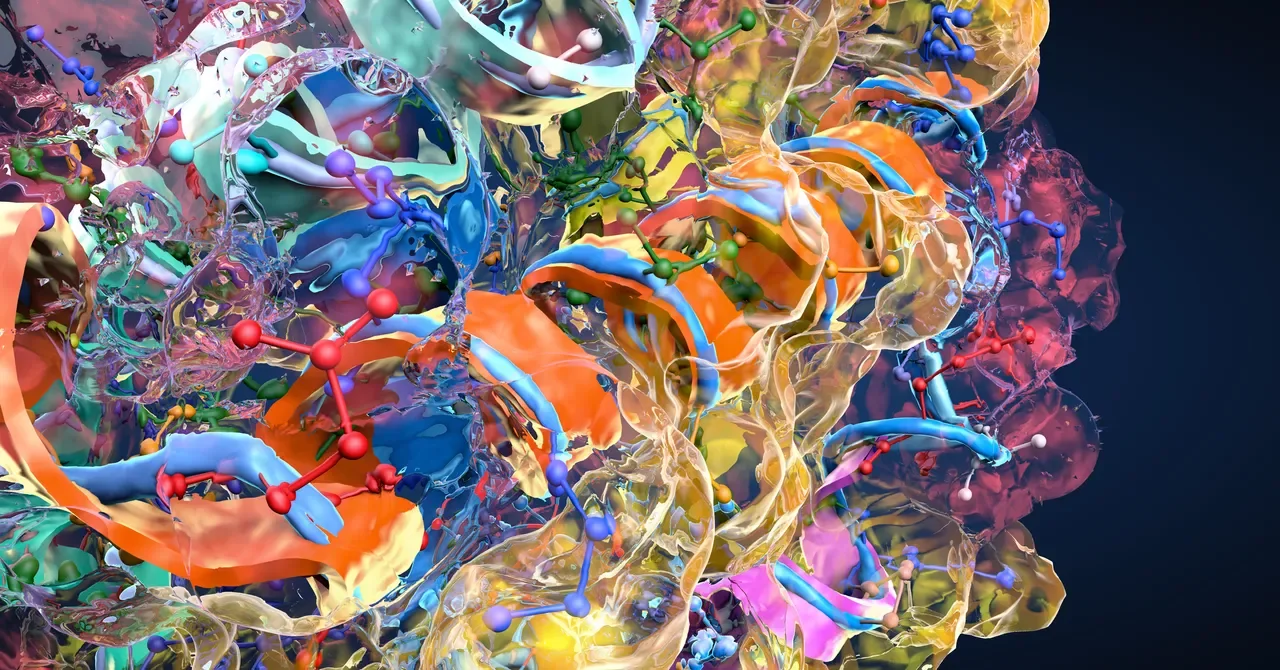
AlphaFold, developed by DeepMind, has revolutionized biology by accurately predicting protein structures, earning a Nobel Prize and expanding into DNA, RNA, and drug interactions, with ongoing advancements aimed at understanding cellular systems and improving medicine.