
Chinese trial shows gene therapy cuts drug-resistant epilepsy seizures by 90%
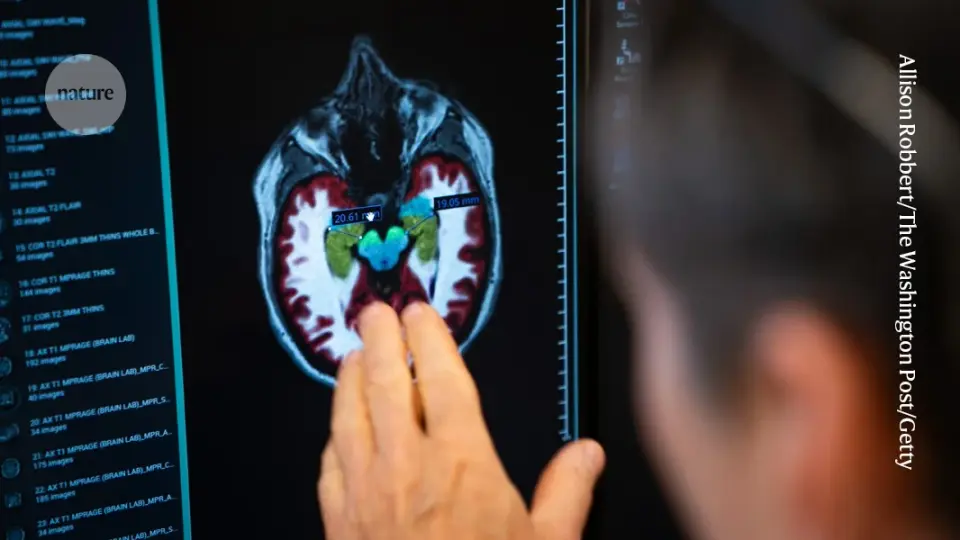
A small Chinese clinical trial demonstrated that a chemogenetic approach can drastically reduce seizures in patients with drug-resistant epilepsy. By injecting a virus that inserts a specific receptor into brain tissue and then activating it with the drug clozapine, researchers achieved a 90% reduction in seizure frequency for three participants. While the results are promising, experts caution that the study lacked a control group and raises concerns about long-term drug safety.
Key points
- Three adults with hippocampal sclerosis received an adeno-associated virus 9 vector targeting excitatory neurons in the brain.
- The therapy, known as chemogenetics or DREADDs, uses the existing antipsychotic clozapine to activate the inserted receptors, acting as a 'dimmer switch' for neural activity.
- Seizure frequency dropped from an average of 4.5 per month to 0.5 for two participants, and from 4 to 0 for the third.
- The study, led by Yang Dai at Xuanwu Hospital in Beijing, focused on safety rather than efficacy, reporting no serious side effects.
- One participant experienced two breakthrough seizures after accidentally stopping clozapine, which ceased upon resuming the medication.
Background
This development follows a broader trend in neurotechnology, including the 2026 Nobel Prize for optogenetics, which recognized methods for controlling nerve cells. While optogenetics relies on light, chemogenetics uses drugs to modulate activity, offering a potentially less invasive alternative to surgical removal of brain tissue. Recent AI-driven brain surgery experiments on mice have also highlighted the complexity of targeting specific neural circuits, underscoring the need for precise, controllable therapies like those tested in this trial.
How outlets are covering it
Nature and The Independent emphasize the dramatic efficacy and safety profile of the treatment, highlighting the potential for a non-invasive alternative to current surgical options. Chemical & Engineering News notes that this is the first human use of DREADDs (Designer Receptors Exclusively Activated by Designer Drugs) and points out that China has registered at least seven such trials, surprising the global scientific community. CGTN frames the success as a sign of China’s rapid advancement in neuroscience, contrasting it with previous US dominance in the field. However, experts like Matthew Walker from University College London and Dimitri Kullmann caution that the lack of a control group makes it difficult to isolate the effect of the gene therapy from the drug alone. They also raise concerns about the long-term cardiovascular risks associated with clozapine and the potential for viral vectors to alter cellular homeostasis even when inactive.
Why it matters
For the approximately 600,000 people in the UK with epilepsy, including one-third with drug-resistant forms, this therapy offers a potential new treatment avenue that preserves brain tissue rather than removing it. If proven safe and effective in larger trials, chemogenetics could be adapted for other neurological and psychiatric conditions, such as Parkinson’s disease and chronic pain, providing a reversible and adjustable method for controlling neural circuits.
What to watch
Researchers are planning to monitor the three participants long-term and are preparing larger controlled trials. GenAns Biotechnology, a partner in the study, has received regulatory approval to launch a Phase 1 trial in the US. Other companies are planning early-stage chemogenetics trials globally, aiming to test the approach for various diseases and to develop safer companion drugs than clozapine.
- Epileptic seizures nearly vanish after people receive experimental gene therapy in their brains Nature
- Designer receptor therapy long used in the lab crosses over into humans Chemical & Engineering News
- Experimental gene therapy on human brain reduces epileptic seizures by 90% The Independent
- China stuns scientists with early success in DREADDs human testing CGTN
- China’s chemogenetic therapy trial cuts seizures in epilepsy patients by 92.6% South China Morning Post
Want the full story? Read the original reporting
Read on Nature