Tag

Epilepsy

All articles tagged with #epilepsy

Panic attacks revealed epilepsy — a brain implant stopped the seizures
health23 days ago

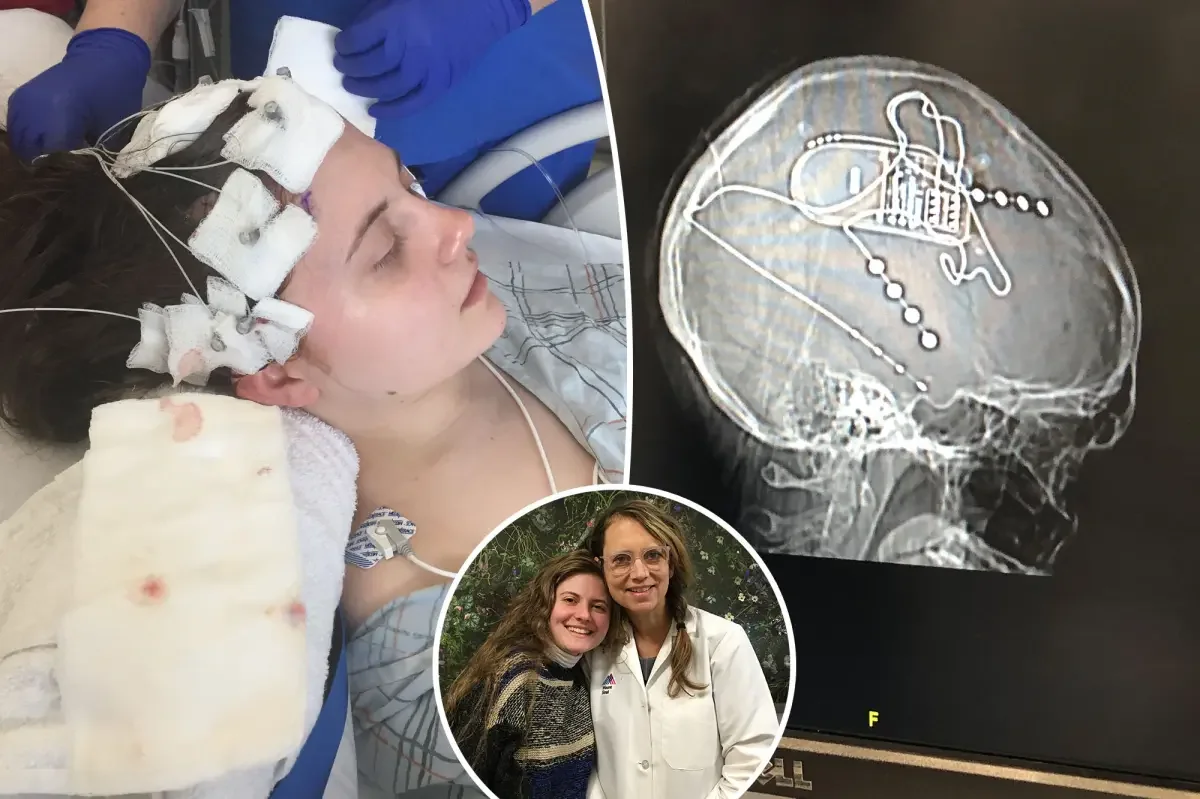
Panic attacks revealed epilepsy — a brain implant stopped the seizures

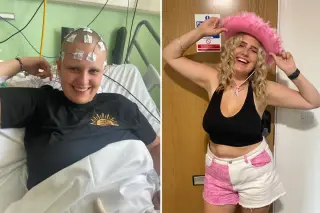
A New York City actress misinterpreted recurring seizures as panic attacks for years until doctors diagnosed focal impaired awareness seizures. After SEEG pinpointed the seizure origin, she received a NeuroPace brain implant in 2018–2019; by July 2019 her seizures were gone, allowing her to return to work, and she has remained seizure-free since, though she continues daily meds and will need periodic battery replacements for the device.

Repurposed Antiemetic May Restore Brain’s Inhibitory Brake to Curb Epilepsy
science1 month ago

Repurposed Antiemetic May Restore Brain’s Inhibitory Brake to Curb Epilepsy

Researchers identified two molecules, prochlorperazine and CLP-257, that stabilize the KCC2 chloride transporter to restore GABAergic inhibition in epileptic tissue. In human brain slices they nearly abolished spontaneous interictal spikes, and in mouse models they reduced seizure frequency by about 40–55%, suggesting a promising repurposing path for treatment-resistant temporal lobe epilepsy (potentially in combination with benzodiazepines).

Promising antisense drug could alter Dravet syndrome in children
health1 month ago

Promising antisense drug could alter Dravet syndrome in children

An early-stage trial suggests the antisense drug zorevunersen is safe for children with Dravet syndrome and may dramatically reduce seizures, with the highest-dose group seeing 59%–91% fewer seizures after about 20 months and potential neurodevelopmental and quality-of-life benefits. The study involved 81 children (ages 2–18) in the UK and US and did not include a placebo; larger, controlled trials are underway, with results expected by 2028 to determine if the treatment can alter the disease course.

New drug brings life-changing relief to children with Dravet syndrome
health1 month ago

New drug brings life-changing relief to children with Dravet syndrome

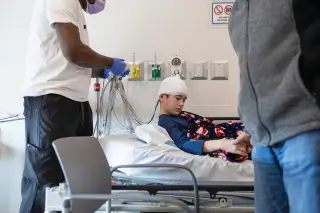
A new drug, zorevunersen, delivered by spinal infusion, is showing strong promise for Dravet syndrome in children by boosting brain sodium channel activity and dramatically reducing seizures; early trials report up to 90% fewer seizures, with patients like Freddie Truelove moving from hundreds of daily seizures to a few per week and regaining normal activities. UK and US trials involve young children, starting from age two, at several hospitals, and while results are encouraging, Phase 3 data are needed before it becomes widely available.

Post-Seizure Sleep May Strengthen Epileptic Networks
science-and-health1 month ago

Post-Seizure Sleep May Strengthen Epileptic Networks

New Mayo Clinic findings indicate the brain may hijack memory-consolidation processes after a seizure, with nights of intensified deep (NREM) sleep and reduced REM sleep that strengthen seizure networks and potentially worsen epilepsy. This post-seizure consolidation could explain disease progression and points to a critical window for targeted neuromodulation therapies to disrupt the reinforced networks, an approach being explored by Mayo’s BIONIC initiative.

AI Detects Hidden Brain Lesions to Improve Childhood Epilepsy Treatment
health6 months ago

AI Detects Hidden Brain Lesions to Improve Childhood Epilepsy Treatment

An AI tool developed by researchers at Murdoch Children's Research Institute and The Royal Children's Hospital has significantly improved the detection of tiny brain lesions in children with epilepsy, leading to targeted surgeries that have successfully made some children, like John, seizure-free. The AI, called 'AI epilepsy detective,' enhances MRI and PET scan analysis, allowing for earlier and more precise treatment, which can prevent long-term learning difficulties associated with uncontrolled seizures.

Neuronal Synchronization in Memory Formation and Recall
science8 months ago

Neuronal Synchronization in Memory Formation and Recall

Researchers studying epilepsy patients found that nerve cells in the medial temporal lobe synchronize their firing with slow brain waves, known as theta rhythms, during both learning and recall, suggesting this synchronization is a general feature of memory processing rather than a predictor of successful recall. The findings deepen understanding of brain rhythms in memory and could inform future treatments for memory disorders.

Mini-Brains Unlock Secrets of Mitochondrial Disorders
science-and-technology1 year ago

Mini-Brains Unlock Secrets of Mitochondrial Disorders

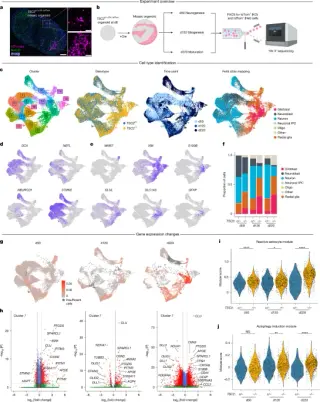
Researchers at the University of Bergen have developed mini-brains, or brain organoids, to study mitochondrial dysfunction in brain cells, offering new insights into treating conditions like epilepsy, Alzheimer's, and Parkinson's diseases. These organoids mimic disease processes, allowing for real-time observation and testing of potential treatments, potentially revolutionizing the understanding and treatment of mitochondrial brain disorders.

Growing Up with a Baby Monitor: Independence and Connection
health1 year ago

Growing Up with a Baby Monitor: Independence and Connection

A personal story recounts how a baby monitor helped a young girl with epilepsy maintain independence while allowing her parents to monitor her health. After her first seizure at 11, her parents used the monitor to ensure her safety without sharing a room. Now 28 and seizure-free due to medication, she reflects on the monitor as both a nuisance and a comfort, symbolizing her parents' sacrifices and support in managing her condition.

New Brain Cells Aid Learning Through Listening in Adults
science1 year ago

New Brain Cells Aid Learning Through Listening in Adults

New research indicates that adults can generate new neurons, which are linked to improved verbal learning and cognitive function. This discovery, based on studies of epilepsy patients, suggests that enhancing neurogenesis could help mitigate cognitive decline associated with aging and neurological disorders. The findings highlight the importance of studying neurogenesis in humans, as it may differ from animal models like mice. Current clinical trials are exploring the potential of aerobic exercise to boost neuron production and cognition in epilepsy patients.