
Imagery Therapy Rewrites Childhood Memories to Reduce Adult Fear of Failure
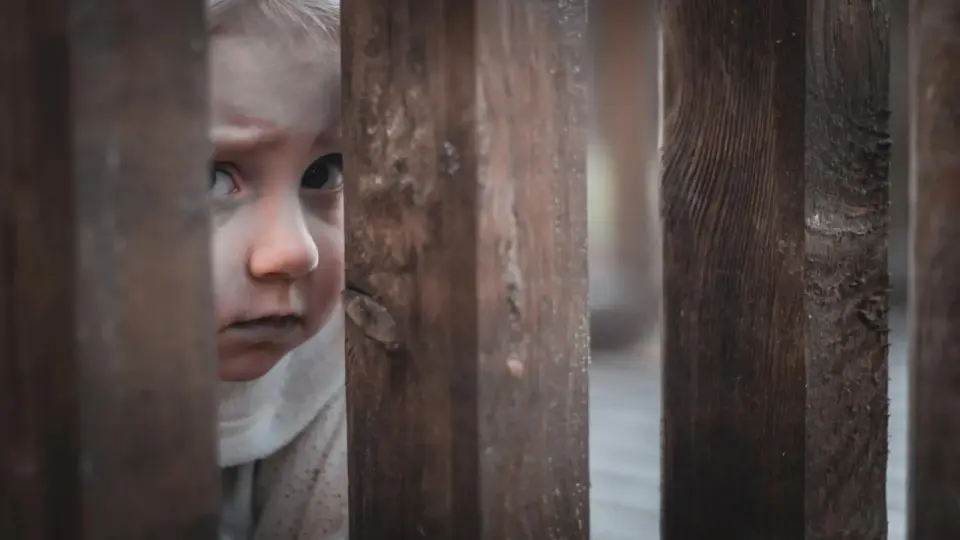
A randomized controlled trial involving 180 young adults demonstrates that imagery-based psychotherapy can significantly reduce fear of failure rooted in childhood criticism. Participants who engaged in Imagery Rescripting, a technique that alters the narrative of past traumatic memories, showed lasting decreases in guilt, sadness, and physiological stress responses. Follow-up assessments at three and six months confirmed that these improvements were stable over time. The study, conducted by researchers at SWPS University and the Nencki Institute, highlights the role of 'prediction error' or surprise in breaking emotional patterns. By introducing unexpected elements into the memory, such as a supportive figure intervening, the therapy helps loosen the grip of negative emotions. This approach suggests that painful childhood experiences do not have fixed emotional impacts and can be reprocessed to reduce their burden on adult well-being.
Key points
- The study included 180 young adults aged 18 to 35 who suffered from fear of failure linked to childhood criticism.
- Participants were divided into three groups: Imagery Exposure, Imagery Rescripting, and Imagery Rescripting with a delay procedure.
- Imagery Rescripting involved imagining a 'defender' entering the memory to confront the critic and support the child.
- All groups showed significant reductions in fear, guilt, sadness, and physiological stress responses.
- Improvements remained evident at three and six-month follow-up assessments, indicating long-term stability.
- The effectiveness of Imagery Rescripting was linked to 'prediction error,' where surprise helps alter established emotional patterns.
Background
This research builds on previous findings regarding the malleability of memory and emotional responses. Earlier studies, such as those on stress and memory specificity, have shown that emotional events are memorable but can be influenced by subsequent experiences. The current study extends this by demonstrating that specific therapeutic interventions can alter the emotional impact of childhood memories, offering a practical application for treating fear of failure. It aligns with broader psychological research on how early experiences shape adult behavior and emotional well-being, providing a new avenue for therapeutic intervention.
Why it matters
This research offers a promising therapeutic approach for individuals struggling with fear of failure, a common issue that can impact career, relationships, and overall well-being. By demonstrating that childhood memories can be reprocessed to reduce their emotional burden, the study provides hope for those who feel trapped by past experiences. The findings suggest that targeted psychotherapy can lead to lasting changes in emotional responses, potentially improving quality of life for many adults. This could lead to more effective and accessible treatments for anxiety and related disorders, reducing the reliance on medication and offering a non-invasive alternative.
What to watch
Further research is needed to determine the long-term effects of imagery-based therapy and its applicability to other types of trauma or emotional issues. Clinical trials should explore the optimal timing and frequency of therapy sessions, as well as the role of 'prediction error' in enhancing therapeutic outcomes. Additionally, studies should investigate whether these techniques can be adapted for different populations, including older adults or those with more severe trauma histories. The findings may also inform the development of new therapeutic protocols that integrate imagery techniques with other forms of psychotherapy, such as cognitive-behavioral therapy, to maximize effectiveness.
Want the full story? Read the original reporting
Read on Science Daily