
Marine Compound Rutamycin B Offers Faster Defense Against Fatal Brain Amoeba
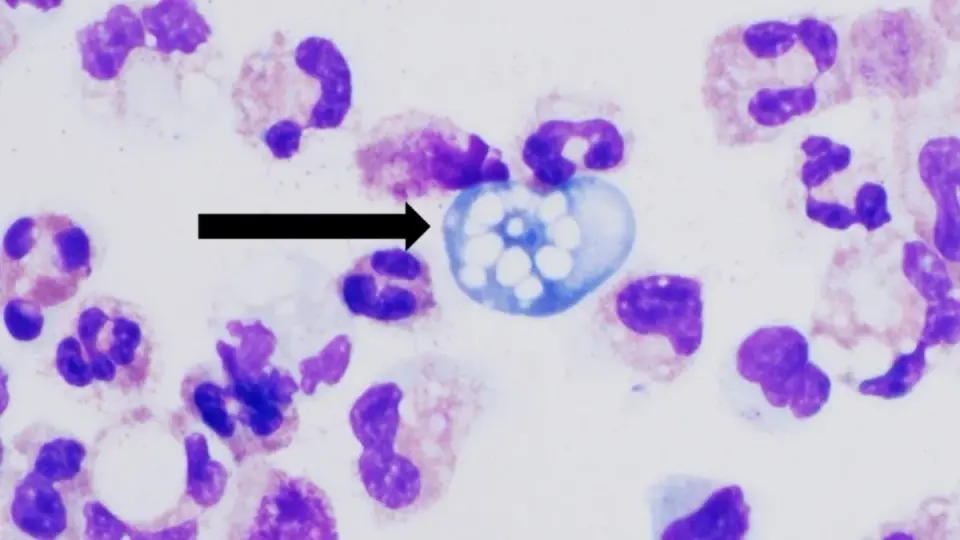
Researchers at UC San Diego identified rutamycin B, a compound from marine bacteria, as a potential treatment for Naegleria fowleri. The substance kills the amoeba in four hours, significantly faster than current treatments, and is highly selective against human cells. While promising, the compound remains in early lab stages and requires further testing to ensure it can reach the brain effectively.
Key points
- UC San Diego scientists published a study in 'Marine Drugs' detailing the discovery of rutamycin B, isolated from marine bacteria, which effectively kills Naegleria fowleri.
- The compound neutralizes five strains of the amoeba within four hours, compared to 16 hours for the standard treatment, amphotericin B.
- Rutamycin B is 200 to 300 times more toxic to the amoeba than to human cells, reducing the risk of side effects associated with current therapies.
- When combined with amphotericin B, rutamycin B allows for a 90% to 97% reduction in the required dose of the existing drug while maintaining efficacy.
- The compound works by inhibiting an enzyme essential for the amoeba's energy production, offering a targeted mechanism of action.
Background
Naegleria fowleri, often called the brain-eating amoeba, causes primary amebic meningoencephalitis (PAM), a rare but almost always fatal infection. Approximately 150 cases have been reported in the U.S., with a mortality rate exceeding 97%. Current treatments are slow-acting and often toxic to human cells. While global cases are increasing and shifting northward, the infection remains rare, typically entering the body through the nose and migrating to the brain. This discovery builds on previous efforts to find safer, faster-acting compounds from marine sources to combat resistant parasites.
How outlets are covering it
Gizmodo emphasizes the speed and selectivity of rutamycin B, highlighting its potential to change the prognosis for PAM patients by stopping the infection before irreversible damage occurs. STAT confirms the rapid action of the compound but stresses the significant gap between lab results and clinical application, noting that researchers must still determine if the drug can cross the blood-brain barrier. UA.NEWS focuses on the pharmacological potential of the compound, noting its structural properties make it a candidate for optimization and highlighting the dramatic reduction in required dosages when combined with existing treatments. All sources agree that while the findings are promising, they are preliminary and require extensive animal and human trials.
Why it matters
The discovery of rutamycin B offers a potential breakthrough in treating a disease with a near-universal fatality rate. By acting faster and with greater selectivity than current options, it could prevent the rapid brain destruction caused by Naegleria fowleri. This research also underscores the value of marine environments as a source for novel medical compounds, potentially leading to new treatments for other difficult-to-treat infections.
What to watch
Researchers at UC San Diego plan to test whether rutamycin B can cross the blood-brain barrier, a critical step for treating central nervous system infections. Future studies will include animal models to assess safety and efficacy before any human trials can begin. The team also intends to optimize the compound's structure for better pharmacological performance.
- The Brain-Eating Amoeba Kills 97% of Its Victims. Scientists May Have Found a Way to Stop It in Hours Gizmodo
- A possible treatment for brain-eating amoebas, found in the sea STAT
- Rutamycin B demonstrates significant potency at low concentrations against Naegleria fowleri Outbreak News Today
- Rutamycin B active against Naegleria fowleri isolated in the US — News-Medical UA.NEWS
Want the full story? Read the original reporting
Read on Gizmodo