
New JAMA studies identify blood biomarker for advanced CTE, but validation remains pending
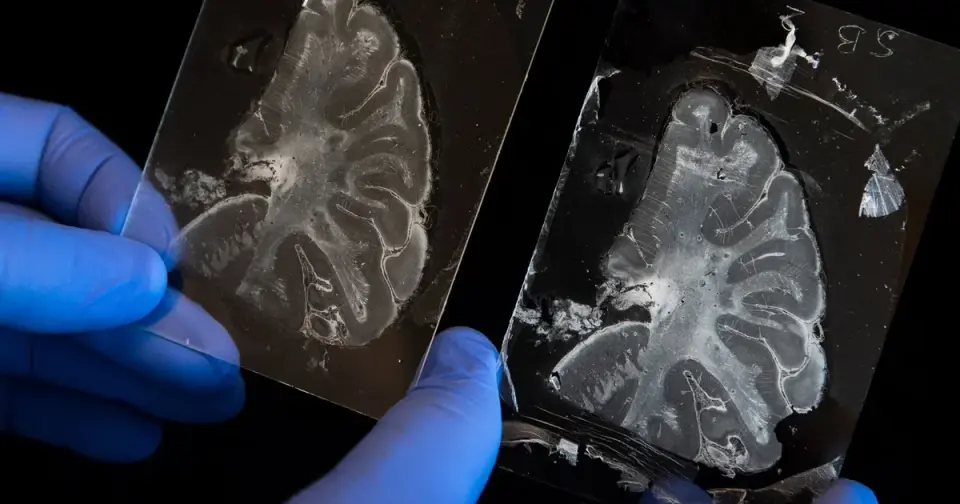
Researchers have identified a blood protein marker that may detect advanced chronic traumatic encephalopathy (CTE) in living patients, a significant shift from the current post-mortem diagnostic standard. While the findings are promising, the tests are not yet validated for clinical use and require larger studies to confirm accuracy.
Key points
- Two new studies published in the Journal of the American Medical Association (JAMA) found elevated levels of a specific tau protein, eMTBR-tau243, in the blood of individuals with advanced CTE.
- The studies analyzed blood samples from 21 former football players who later donated their brains to research centers; autopsies confirmed 18 had CTE, with 16 exhibiting severe stages.
- The biomarker showed clear separation between high-stage CTE cases and those with low or no CTE, but it cannot currently detect early-stage disease.
- Researchers emphasize that these findings are preliminary and require larger cohorts to validate the test's accuracy and determine its utility for clinical trials and treatment development.
Background
CTE has historically been diagnosed only through autopsy, limiting the ability to treat patients while alive. Recent archive coverage from November 2026 highlighted similar findings from Washington University School of Medicine, which also identified the eMTBR-tau243 biomarker as a potential tool for monitoring at-risk athletes. This new development builds on those earlier reports, reinforcing the potential for a blood-based diagnostic pathway.
How outlets are covering it
The Seattle Times and The New York Times framed the findings as a significant step toward a future blood test, emphasizing the potential to diagnose the incurable disease in living patients. 6abc Philadelphia highlighted the emotional impact on former players like Randy Cross, who pledged to donate his brain to research, and noted the excitement of principal investigator Dr. Gil Rabinovici, who described the data separation as 'exciting.' WGBH focused on the scientific implications, quoting researcher Annalise Miner on the connection between the tau protein and Alzheimer's disease, and stressing the need for larger studies to validate the biomarker. All sources agreed that while the findings are promising, the test is not yet ready for widespread clinical application.
Why it matters
A validated blood test for CTE could revolutionize the diagnosis and treatment of a degenerative brain disease linked to repetitive head impacts. It would allow for earlier identification of at-risk individuals, facilitate clinical trials for new treatments, and potentially reduce the long-term health burden on athletes and their families.
What to watch
Researchers plan to conduct larger studies to validate the biomarker's accuracy and determine its effectiveness in detecting CTE across different populations. They also aim to investigate the prevalence of CTE and the level of football exposure that increases risk, which could inform future prevention strategies and clinical trials.
- Scientists discover a possible marker in the blood of CTE patients The Seattle Times
- Studies Could Pave Way for Blood Test to Detect C.T.E. in Living Patients The New York Times
- Blood test has potential to detect advanced stages of chronic traumatic encephalopathy (CTE) in the living, study finds 6abc Philadelphia
- Experts have for decades wanted to diagnose CTE in living people. BU researchers may have found a way. The Boston Globe
- New research may pave way for diagnosing CTE before death WGBH
Want the full story? Read the original reporting
Read on The Seattle Times