
UCSF team maps 1,800 protein interactions to unlock targeted autism therapies
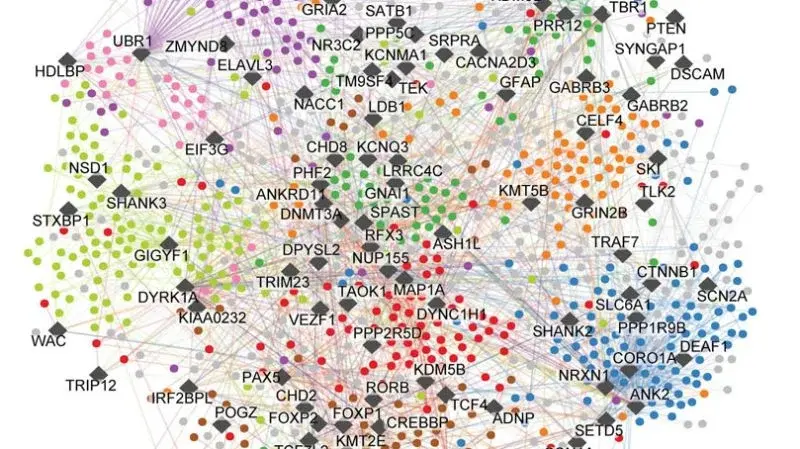
Researchers at the University of California, San Francisco have published the largest molecular map of autism to date, identifying over 1,800 protein-protein interactions that link diverse genetic mutations to shared biological pathways. By using AI and lab-grown brain organoids, the study suggests that targeting these protein networks rather than individual genes could lead to new treatments, particularly for the 30% of individuals with profound autism.
Key points
- A study published in Science identifies 1,800 protein interactions linked to autism, with 87% being previously unknown.
- The research demonstrates how distinct genetic mutations converge on shared protein networks, offering a unified target for drug development.
- Researchers used AlphaFold AI and human brain organoids to validate how mutations like FOXP1 alter protein function and neuronal development.
- The findings are most relevant to profound autism, which affects approximately 30% of the spectrum population and requires intensive care.
- Dr. Nevan Krogan and colleagues are already developing three therapeutic programs based on these molecular insights.
Background
This development follows earlier 2026 research, such as a July study showing that rapamycin could rapidly reverse autism-like traits in mice by targeting circuit-level plasticity, and a large August study confirming no link between the MMR vaccine and autism. The current protein map builds on the growing consensus that autism involves complex neurodevelopmental pathways rather than single-gene causes.
How outlets are covering it
While CNN and Fierce Biotech emphasize the potential for new drug discovery and the commercialization of these findings through new ventures, The Transmitter highlights the biological complexity of the interactions, noting that mutations can cause both loss and gain of function. Experts like Fikri Birey and Dr. Andy Shih caution that translating these maps into clinical therapies will take significant time. Additionally, perspectives diverge on policy: Autism Science Foundation president Alison Singer criticizes the draft federal autism plan for potentially ignoring genetic evidence, while Autism Speaks’ Dr. Andy Shih expects the plan to continue supporting large-scale genetic research.
Why it matters
This molecular map shifts the focus from the 250+ individual genes associated with autism to the shared protein networks they disrupt. This convergence offers a more efficient path for drug discovery, potentially allowing treatments to target the underlying biology of the disorder rather than just managing symptoms, which is especially critical for the subset of individuals with profound autism.
What to watch
Researchers are moving from kidney cell models to in-vitro neuronal systems and eventually in-vivo brain tissue to validate these interactions. Dr. Krogan is in discussions with major pharmaceutical companies to create a drug discovery platform based on this protein interaction lens. Meanwhile, the Interagency Autism Coordinating Committee is set to vote on a new national strategic plan for autism research.
- Largest ever ‘map’ of autism may hold clues for new targeted therapies CNN
- Study of Brain Proteins Spurs Optimism for Autism Treatments The New York Times
- Autism-linked variants rewire protein networks The Transmitter
- UCSF gets $46 million autism research grant from Sergey Brin-backed foundation San Francisco Chronicle
- Research into protein interactions sheds new light on causes of autism Fierce Biotech
Want the full story? Read the original reporting
Read on CNN