
Chinese Researchers Develop 'Smart' Probiotic for Real-Time Diabetes Control
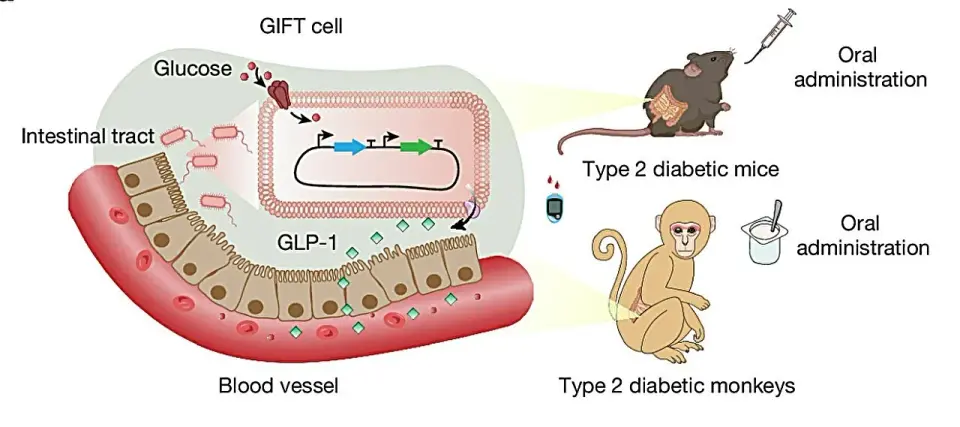
A research team from East China Normal University has developed an engineered probiotic, dubbed GIFT, that acts as a 'living drug' for diabetes management. Published in Nature on August 12, the study details how these bacteria, when taken orally, colonize the intestine and monitor blood glucose levels in real-time. If glucose spikes, the bacteria autonomously release the hormone GLP-1 to lower it, remaining inactive when levels are normal. This approach aims to replace fixed-dose medications with a responsive system. The therapy has shown efficacy in mice and non-human primates, improving lipid profiles and reducing complications, with human clinical trials planned soon.
Key points
- The GIFT probiotic uses synthetic biology to create a glucose-sensing mechanism that triggers hormone release only when blood sugar exceeds normal thresholds.
- Unlike standard GLP-1 medications, this oral therapy provides dynamic, real-time dosing rather than fixed amounts, potentially reducing side effects associated with over-medication.
- Preclinical trials in diabetic mice and non-human primates demonstrated improved glycemic control, better lipid profiles, and attenuation of multiple diabetic complications with long-term use.
- The technology avoids the safety concerns associated with transplanting mammalian cells, as the probiotics are based on bacteria with a long history of safety.
- According to the South China Morning Post, the Chinese team aims to have the product available on US shelves within two years, pending regulatory approval.
Background
This development builds on earlier reports from August 2026 regarding gut-sensing probiotics that offer self-regulating therapy in animal models. The current news highlights the specific engineering of the GIFT strain by East China Normal University and its progression toward human clinical trials, marking a shift from experimental animal data to potential commercial availability.
Why it matters
This innovation could revolutionize Type 2 diabetes treatment by eliminating the need for constant insulin injections or fixed-dose oral medications. By mimicking the body's natural response to glucose, the GIFT probiotic offers a more precise, adaptive therapy that may reduce the risk of hypoglycemia and improve long-term metabolic health. If successful in human trials, it could significantly lower the burden of diabetes management for millions of patients.
What to watch
The research team is preparing to initiate clinical trials in humans to test the safety and efficacy of the GIFT probiotic. The South China Morning Post reports that the goal is to bring the product to US markets within two years, subject to regulatory approval and successful trial outcomes.
Want the full story? Read the original reporting
Read on Daily Kos