Tag

Genetic Testing

All articles tagged with #genetic testing

PFIC’s Hidden Burden: Adult Itching Signals a Rare Liver Disorder
health11 days ago

PFIC’s Hidden Burden: Adult Itching Signals a Rare Liver Disorder

Progressive familial intrahepatic cholestasis (PFIC) can cause severe internal itching in adults, often misdiagnosed because PFIC is treated as a pediatric disorder and imaging may appear normal. Diagnosis relies on symptom patterns and genetic testing to uncover underlying mutations, recognizing PFIC on a spectrum in adults with variable liver function. Awareness, patient advocacy, and resources like the PFIC Network help patients get answers, while treatments such as BYLVAY (odevixibat) offer relief for itch with careful monitoring for side effects and vitamin deficiencies.

Gauff urges nuance as WTA's genetic-testing rule aims for fairness
sports19 days ago

Gauff urges nuance as WTA's genetic-testing rule aims for fairness

Coco Gauff urged nuance in reacting to the WTA’s new policy that screens for the SRY gene to determine biological sex, saying it aims to protect fairness in women’s sports but should not be used to attack or stigmatize transgender athletes; the rule aligns with IOC guidelines ahead of the 2028 Games, though experts warn the testing approach is oversimplified and the issue remains contentious.

Family history and cancer risk: what the science says
health22 days ago

Family history and cancer risk: what the science says

A Washington Post Well+Being article explains that while family history can influence cancer risk, most cancers are not inherited; only about 12% are linked to inherited genetic mutations. Genetic testing can identify predispositions, but having relatives with cancer does not guarantee you’ll get it. Focus on modifiable factors—healthy lifestyle and regular screenings—to reduce risk, and discuss individualized risk with your doctor.

Young nurse's ignored GI bleeding uncovers stage 3 colon cancer and Lynch syndrome
health1 month ago

Young nurse's ignored GI bleeding uncovers stage 3 colon cancer and Lynch syndrome

A 33-year-old nurse dismissed intermittent blood in her stool for years, attributing it to hemorrhoids, until a 2019 gastroenterology visit revealed stage 3 colon cancer with lymph node involvement. She underwent surgery to remove part of her colon and 13 lymph nodes, then completed concurrent chemotherapy while continuing to work. Months after finishing treatment, she became pregnant; genetic testing later diagnosed Lynch syndrome, an inherited cancer risk. Now in remission, she undergoes yearly surveillance and has used her platform—including winning the 2024 Mrs. Mississippi Plus America pageant—to advocate for colon cancer awareness, screening, and genetic testing for family members.

Misdiagnosis Led to Years of Unnecessary Chemo for 12-Year-Old
health1 month ago

Misdiagnosis Led to Years of Unnecessary Chemo for 12-Year-Old

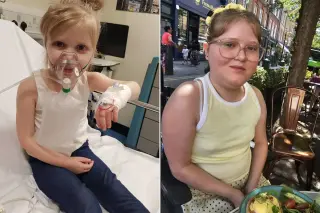
A British girl, Faye Condon, was misdiagnosed with Juvenile Dermatomyositis at age 5 and underwent six rounds of chemotherapy and home injections for seven years before doctors at Great Ormond Street Hospital correctly diagnosed de novo Emery-Dreifuss muscular dystrophy. The treatments had no effect, and she now faces progressive disability including wheelchair use and nocturnal ventilation. Her mother is filing a formal complaint against Bristol Children’s Hospital, blaming budget constraints and urging genetic testing to prevent future misdiagnoses.

A Simple Blood Test, A Storm of Questions About the Future
wellbeing1 month ago

A Simple Blood Test, A Storm of Questions About the Future

A writer grapples with whether to take an Alzheimer's blood test after noticing memory lapses; the test itself is easy, but the potential results trigger fears about family, insurance and future planning, prompting experts to advise caution and to prioritize cognitive assessments and informed interpretation of what a positive result might mean.

Mt. Lebanon Man Battles Rare Male Breast Cancer and Raises Awareness
health2 months ago

Mt. Lebanon Man Battles Rare Male Breast Cancer and Raises Awareness

George Banky, a 62-year-old from Mt. Lebanon, was diagnosed with breast cancer in 2025—rare for men (about 1 in 1,000). After a lump prompted surgery with negative lymph nodes, he’ll take Tamoxifen for five years and has begun speaking publicly to raise awareness and funds for male breast cancer, emphasizing that men don’t undergo routine screening and early evaluation is crucial; genetic testing is advised since hereditary factors can play a larger role in male cases.

Postcode gap in BRCA testing could shape ovarian cancer risk in Wales
health2 months ago

Postcode gap in BRCA testing could shape ovarian cancer risk in Wales

A Welsh woman believes she might have avoided ovarian cancer if Wales had offered BRCA genetic testing in 2014 like England did for under-50 women with triple-negative breast cancer; she only discovered her BRCA1 mutation after an ovarian cancer diagnosis in 2021, highlighting cross-border and regional disparities in access to testing and screening that Wales says it is addressing in a new cancer plan.

Sperm Donor's Hidden Mutation Linked to Child's Gorlin Syndrome
science2 months ago

Sperm Donor's Hidden Mutation Linked to Child's Gorlin Syndrome

A mother who welcomed a baby via an anonymous sperm donor learns months after birth that the donor carried Gorlin syndrome, a rare genetic condition that increases cancer risk and was passed to her son. After genetic testing, the boy is diagnosed with Gorlin syndrome, highlighting gaps in donor screening for extremely rare mutations and underscoring the importance of donor disclosures and online support networks for affected families.

DNA-based test could spare many early breast cancer patients from chemotherapy
health2 months ago

DNA-based test could spare many early breast cancer patients from chemotherapy

A large Optima trial shows the Prosigna gene test can guide chemotherapy decisions for women over 40 with early, hormone-receptor–positive, HER2-negative breast cancer. Those with low gene scores can safely skip chemotherapy, with a five-year survival difference of about 1.2 percentage points (93.7% vs 94.9%), avoiding chemo’s side effects. About one-third with high scores still benefit from chemotherapy. The approach is not applicable to all breast cancer subtypes or younger patients, but results support broader use of gene-based testing to reduce overtreatment and may influence NHS coverage decisions.

Parents Discover They Carried a Rare Gene Mutation After Their Two Children Were Diagnosed with Niemann-Pick Disease
health2 months ago

Parents Discover They Carried a Rare Gene Mutation After Their Two Children Were Diagnosed with Niemann-Pick Disease

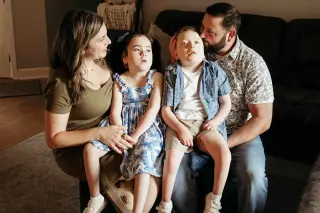
An Ohio couple learns, after genetic testing, that both parents unknowingly carried the same rare mutation, leaving their two children Roman (7) and Stella (6) diagnosed with Acid Sphingomyelinase Deficiency (ASMD), Niemann-Pick Disease Type A/B. The disease can cause liver issues, vomiting, seizures and neurodegeneration; with no cure, the family has pursued aggressive treatments to slow progression, including bi-weekly infusions, while navigating pregnancy and caregiving. Their children have lived beyond initial life expectancy, and the parents have become advocates to improve access to treatment for other families dealing with ASMD, emphasizing resilience and hope.

DNA confirms biological parents of Florida IVF baby after embryo mix-up
health4 months ago

DNA confirms biological parents of Florida IVF baby after embryo mix-up

DNA testing confirmed Shea—the baby born after IVF in Florida—belongs to a South Asian couple, not the plaintiffs who raised him. The couple who sued, Tiffany Score and Steven Mills, say the clinic cooperated in identifying the biological parents. There’s no evidence that the embryos from Score and Mills went to another family, and the Fertility Center of Orlando is closing to reopen under a new IVF network at the same site.

Couple terminate pregnancy after unborn baby diagnosed with Sanfilippo syndrome
health4 months ago

Couple terminate pregnancy after unborn baby diagnosed with Sanfilippo syndrome

In London, a family reveals that after their two-year-old daughter Leni was diagnosed with Sanfilippo syndrome (a childhood dementia), in‑utero genetic testing showed their next pregnancy would also be affected. Faced with no cure and a dire prognosis, they chose to terminate the pregnancy and now focus on fundraising and pushing for newborn screening and faster access to potential treatments to help other families facing the condition.

Consumer genetics: hype meets limits and calls for guardrails in embryo screening
health6 months ago

Consumer genetics: hype meets limits and calls for guardrails in embryo screening

Live Science’s interview with bioethicist Daphne Martschenko and sociologist Sam Trejo highlights that consumer genetic tests and polygenic embryo screening are advancing, but their predictive power is limited and often ancestry-biased. The pair debunks the 'destiny' myth, notes transparency and data-quality gaps, and cautions that embryo selection for non-medical traits could widen social inequities. They advocate for regulation and clearer communication of limitations to help the public make informed choices.”,

Ethics of embryo selection: balancing CF risk, parental love, and eugenics concerns
ethics6 months ago

Ethics of embryo selection: balancing CF risk, parental love, and eugenics concerns

The Ethicist argues that using IVF with preimplantation genetic testing to avoid CF‑risk embryos can be ethically permissible, since selecting embryos is about health states rather than devaluing existing people. While the term “eugenics” is loaded, the key is whether such selection expresses contempt for those with the condition. Personal motives (like wanting a daughter) should be weighed carefully, and the analysis acknowledges the limits of genetic testing and the importance of valuing the current child while considering future risks.