
Acorn abundance, not deer, drives 2027 tick and Lyme disease forecasts
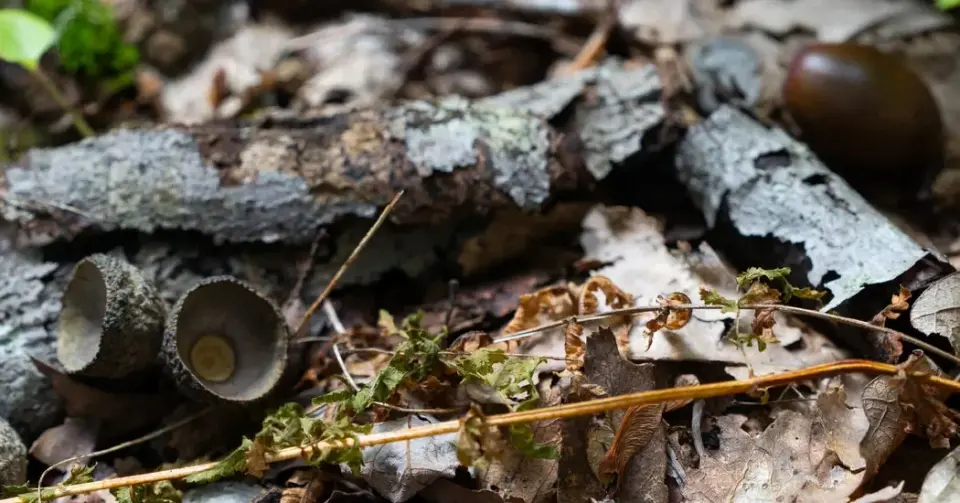
A 35-year study in New York reveals that acorn abundance, rather than deer populations, is the primary predictor of Lyme disease risk two years later. Acorns fuel white-footed mice, which in turn drive tick populations. While mouse numbers influence tick counts, actual infection rates depend on the broader animal community. This ecological insight offers a more accurate forecast for 2027 tick season.
Key points
- Acorn abundance is a stronger predictor of Lyme disease risk than deer numbers, according to a 35-year study.
- White-footed mice, fueled by acorns, are the primary drivers of tick populations.
- Infection rates depend on the broader animal community, not just mouse numbers.
- The study challenges previous assumptions about tick ecology and highlights complex interactions between weather, predators, and host animals.
- The research was published in the Proceedings of the National Academy of Sciences.
Background
Previous coverage in November 2026 highlighted a 35-year study by the Cary Institute of Ecosystem Studies, published in the Proceedings of the National Academy of Sciences, which found that acorn crops, not deer, better predict Lyme disease risk. The study revealed that white-footed mouse populations, driven by oak tree acorn production, are a stronger predictor of Lyme disease risk than deer numbers. It also highlighted complex interactions between weather, predators, and host animals that influence infection rates.
Why it matters
Understanding the role of acorns and mice in tick ecology allows for more accurate predictions of Lyme disease risk, enabling better public health preparedness and resource allocation. This challenges previous assumptions about deer as the primary driver of tick populations and highlights the importance of considering the broader animal community in infection rate predictions.
What to watch
The study's findings will be used to forecast 2027 tick season and Lyme disease risk. Public health officials and researchers will monitor acorn abundance and mouse populations to predict tick activity and infection rates. Further research will explore the complex interactions between weather, predators, and host animals that influence infection rates.
Want the full story? Read the original reporting
Read on The New York Times