
Cardiolipin deficiency in T cells disrupts gut tolerance through an ISR-driven Treg failure
TL;DR
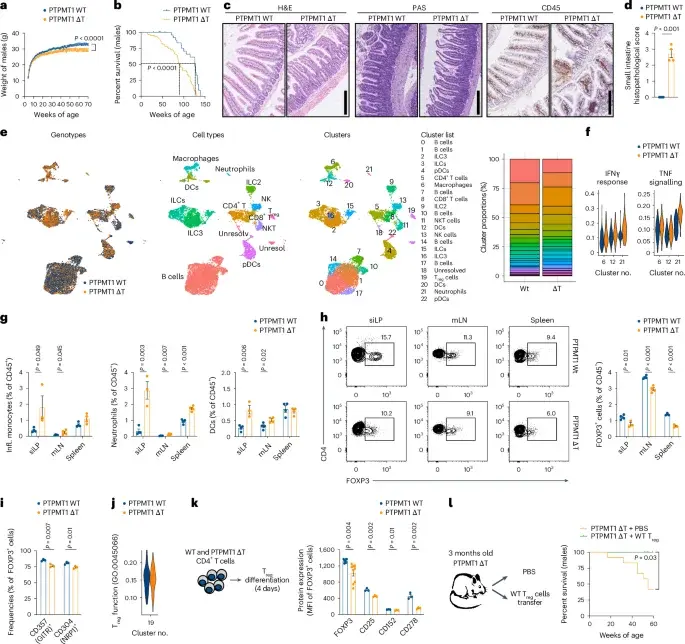
In a mouse model, T cell–specific loss of cardiolipin synthesis (PTPMT1 deletion) impairs regulatory T cell (Treg) function, triggering a maladaptive integrated stress response (ISR) that disrupts gut immune homeostasis and predisposes to colitis, even without dysbiosis. The severity intensifies with pathobiont exposure and can be reversed by pharmacologic or genetic ISR blockade (ISRIB or CHOP knockout), which restores Treg identity and extends lifespan. These findings are echoed in Barth syndrome models and patient data, suggesting a cardiolipin–ISR mitonuclear axis as a key determinant of gut tolerance to microbiota and a potential therapeutic target for IEM-related gut inflammation.
Want the full story? Read the original reporting
Read on Nature