Cardiolipin Decline Drives Muscle Fiber Shifts in Aging
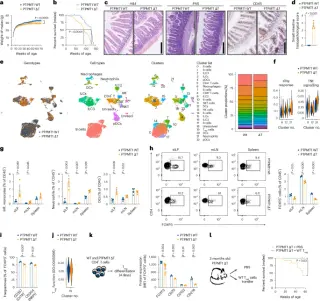
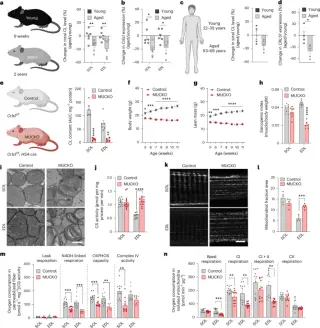
A new study in Nature Aging reveals that the decline of the mitochondrial lipid cardiolipin is a primary driver of muscle fiber type changes during aging. By depleting this lipid in young mice, researchers reproduced age-related muscle shifts and found that restoring it reversed atrophy and improved survival. While this highlights internal cellular mechanisms, other recent research points to nerve-muscle communication failures as a separate, reversible cause of age-related weakness.